
Accessibility Accessibility icon
Consultation (713) 489-7996
Accent Image
Modern reception area with decorative elements.

Breast Augmentation with Fat Transfer vs Implants: Which Is Right for You?

The Body’s Material: A Question of Organic or Engineered Form

The number of options for people considering breast enhancement can be overwhelming and confusing. The ultimate goal—achieving a more confident, proportionate figure—is straightforward, but the path to get there involves complex choices. At the heart of this decision lies a fundamental choice between augmenting the breast with one’s own living tissue through fat transfer breast augmentation or utilizing the time-tested, predictable scaffolding of breast implants.

In Houston, TX, a center for aesthetic surgery innovation, this discussion has evolved far past a simple choice of size. It is a dialogue about material, texture, longevity, and, ultimately, feeling authentic in your own skin. The core question is whether the best result comes from utilizing the body’s own resources or from the consistent, reliable volume of a modern medical device. For many patients, the decision starts not with a cup size request, but with a personal philosophy about how their body should look and feel years later.

The process demands a precise and artistic eye. The success of breast augmentation surgery relies less on millimeters of projection and more on the patient’s complete psychological integration of the final result. For Dr. Paul Fortes, a double-board-certified Houston plastic surgeon who approaches his work with a painter’s sensibility, the initial consultation is a detailed, individualized assessment of a patient's natural architecture and personal vision.

As Dr. Fortes emphasizes, "The decision between fat transfer and implants is a choice between using what you have and using what technology provides. Both are powerful tools, but they solve different architectural problems."

Assessing the Architecture: Resources, Anatomy, and Ambition

The technical choice between breast augmentation with fat transfer vs implants is first dictated by the patient's existing anatomy. A successful outcome starts with an honest look at the body’s natural resources and limitations.

The Fat Transfer Candidate: The Canvas of Dual Contouring

Fat transfer breast augmentation (also known as autologous fat grafting) is inherently a two-part surgical procedure. It is essentially a body contouring procedure that enhances the breast at the same time. First, fat is harvested from a donor site—typically the abdomen, flanks, or thighs—via liposuction. This step of targeted fat removal is a simultaneous liposculpting of the donor site. The resulting slimming of the surrounding area can make the chest itself appear more projected and defined.

This harvested fat is then meticulously purified and strategically injected into the breast tissue to increase breast volume. Because the transferred material is the patient's own fat cells, the result offers an unparalleled soft, natural feel and seamless integration. This is a critical factor for patients who prioritize an undetectable natural appearance. The recovery process often requires wearing a surgical bra and managing minor swelling at both the injection and donor sites.

However, fat transfer has its limits. It is best suited for patients seeking a modest increase in breast size—typically one cup size or less—and who possess sufficient excess fat in a usable donor site. It also requires a certain commitment: not all fat cells survive the transfer process, meaning the final result can settle over several months. Once established, however, the new volume is truly permanent, fluctuating only with the patient's general weight loss or gain.

Patient Highlight: The Fortes Figure & Fat Transfer

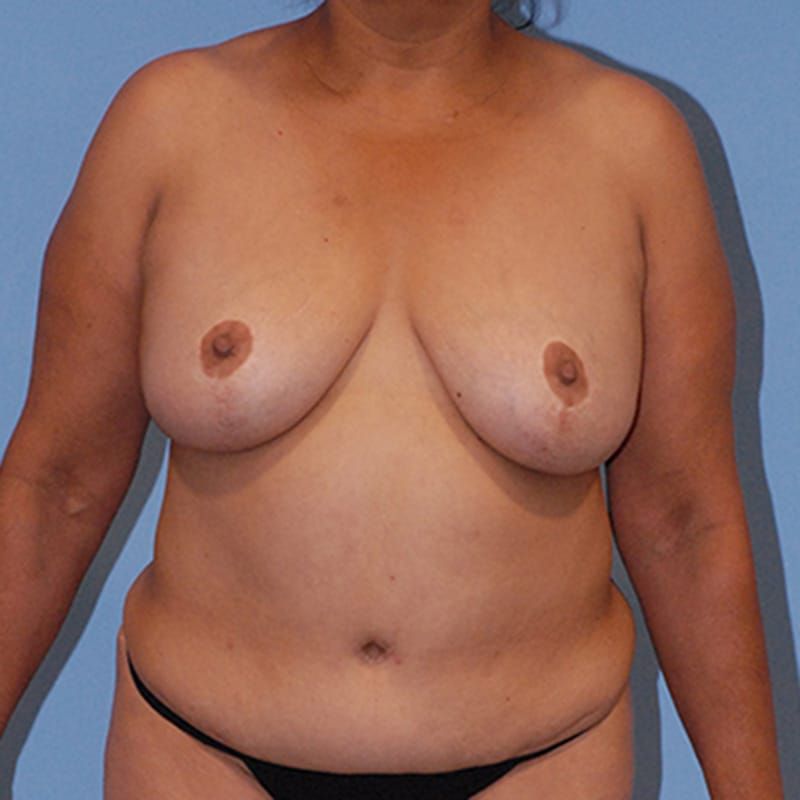
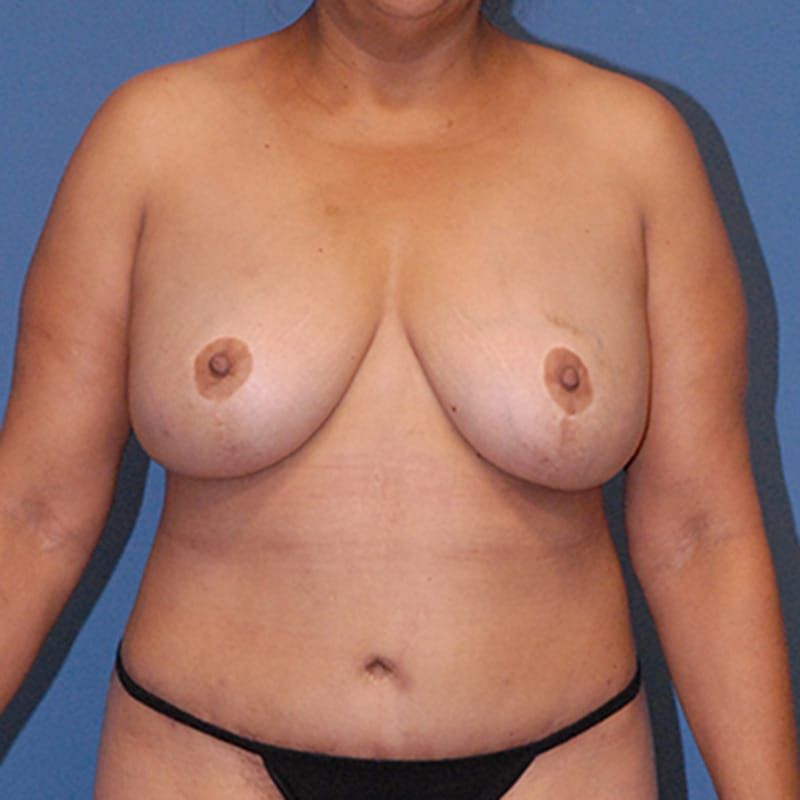
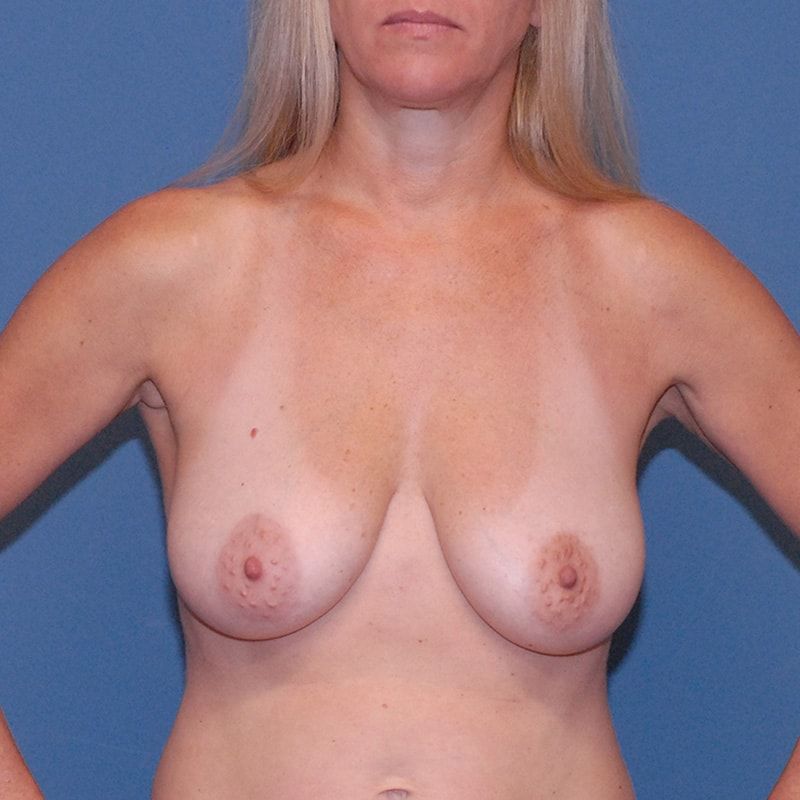
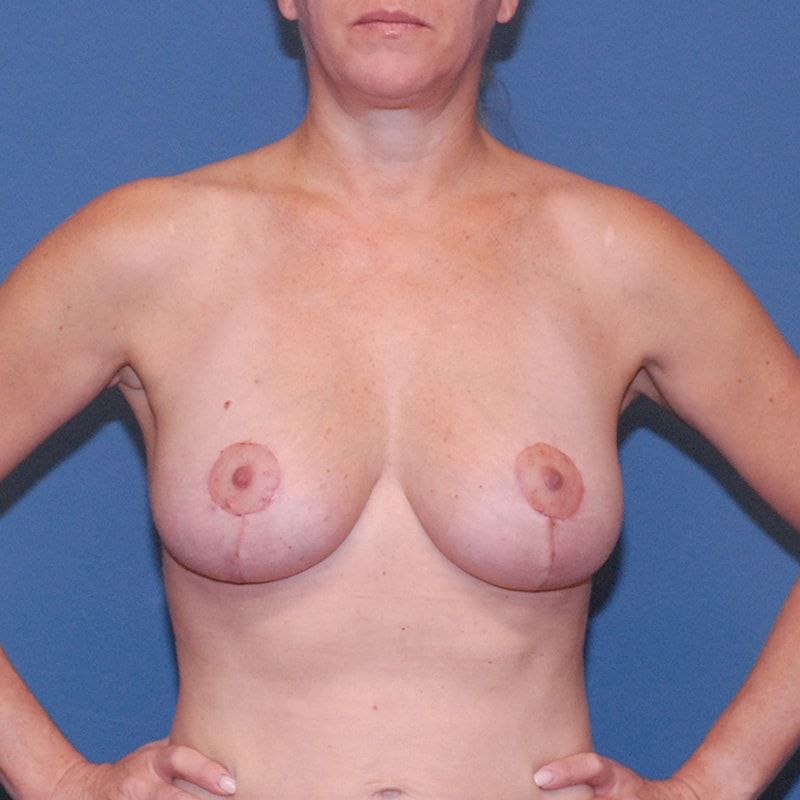
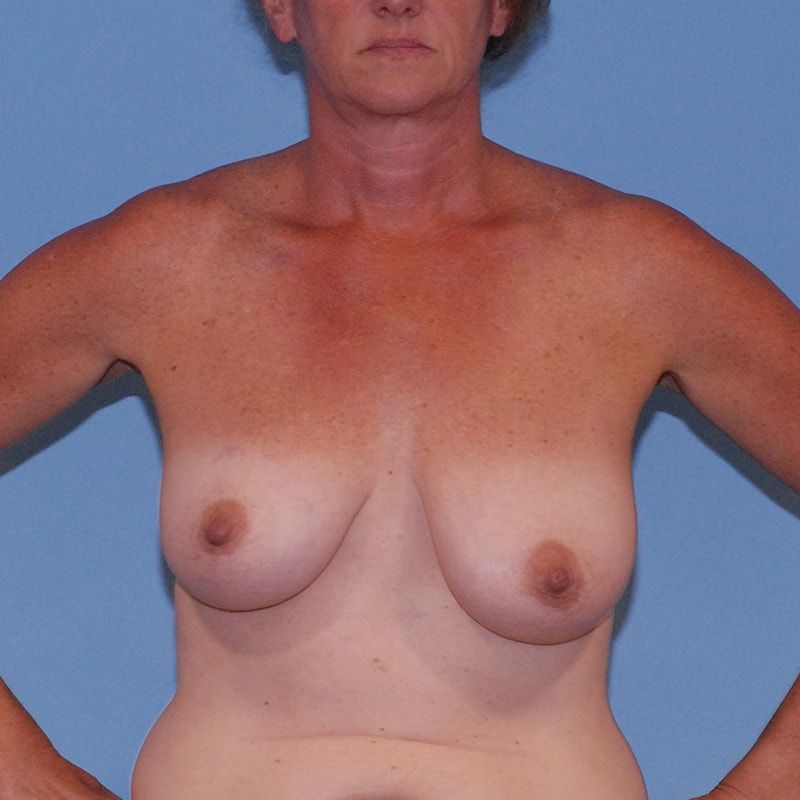
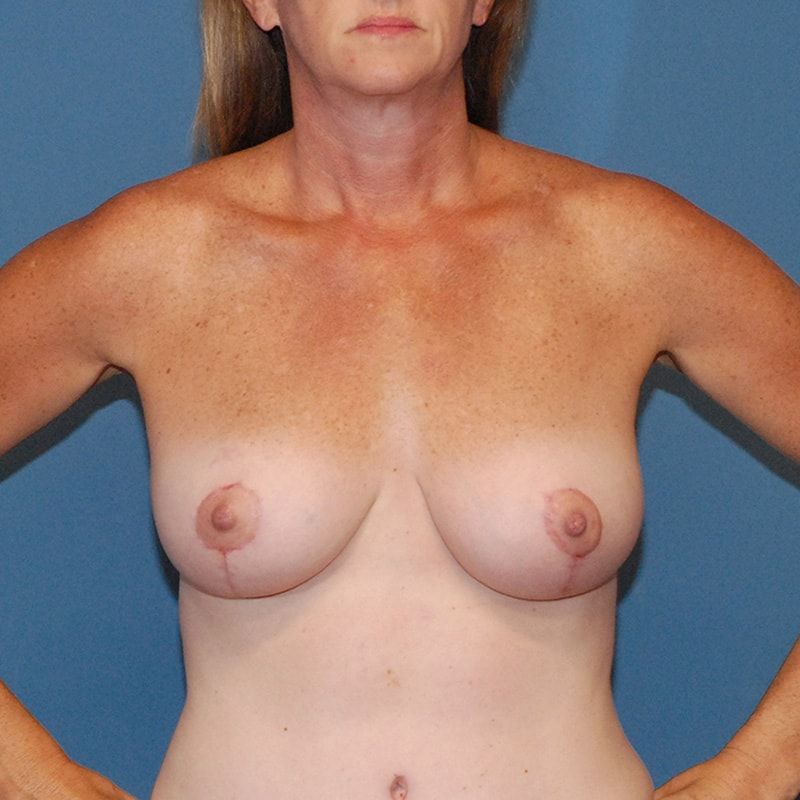
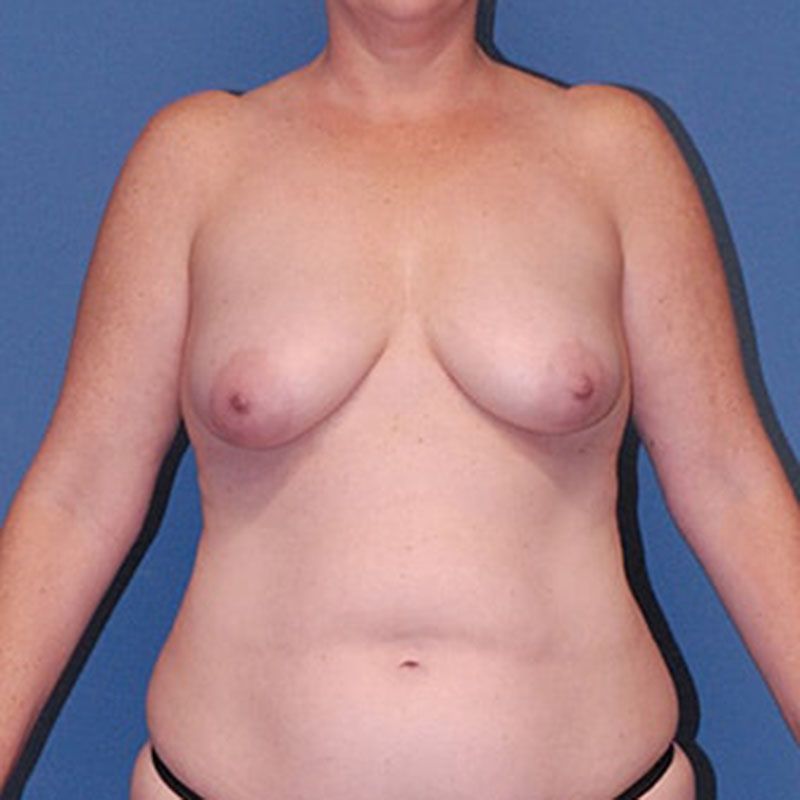
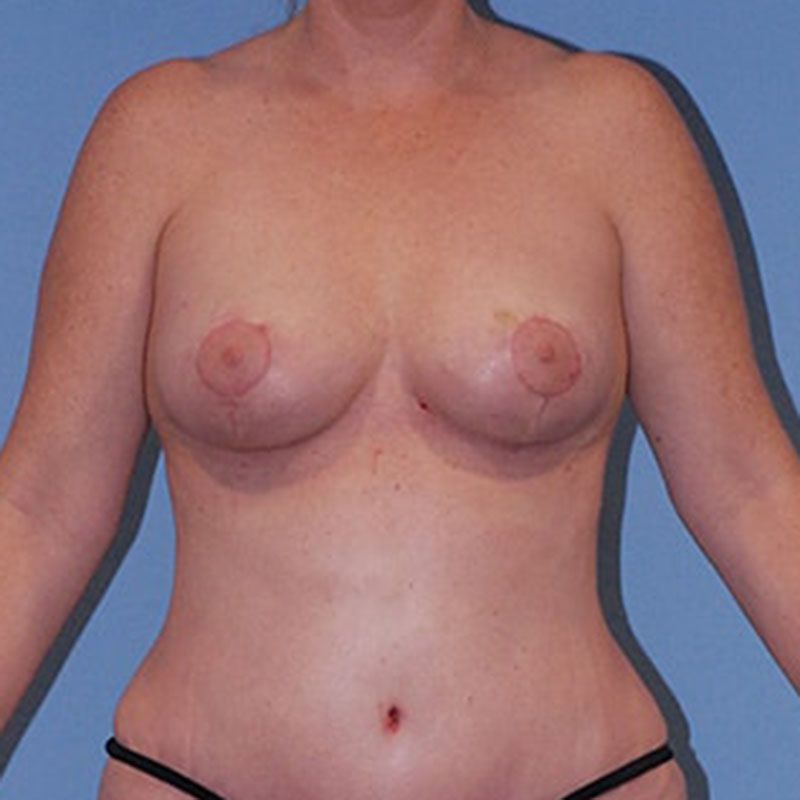
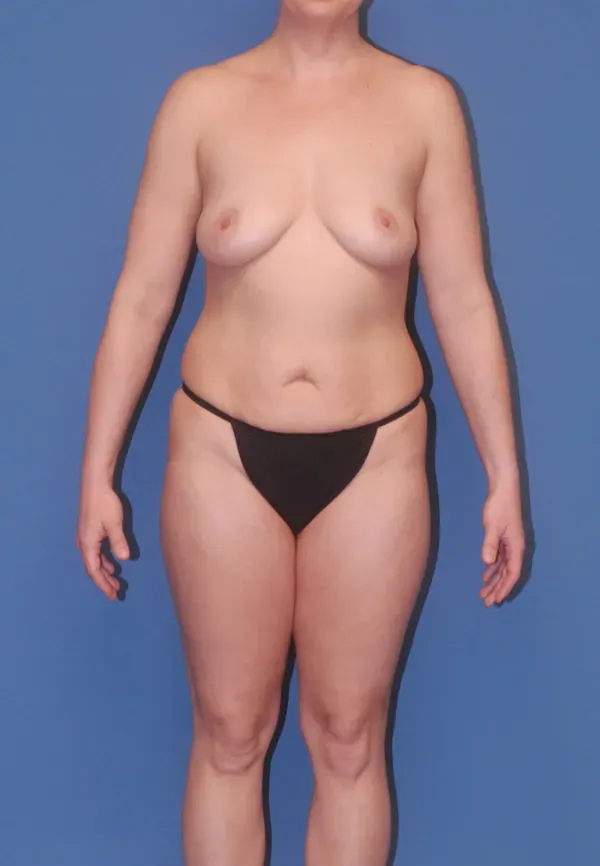
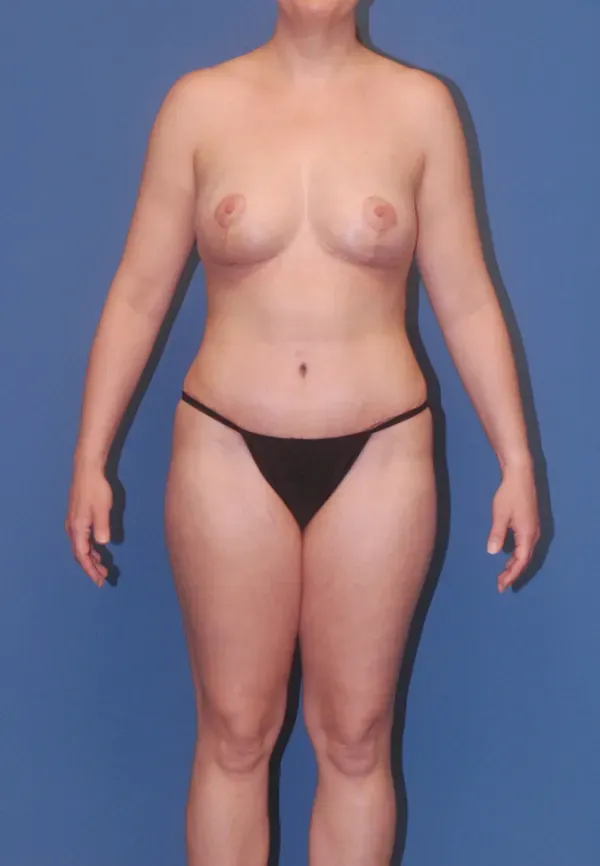
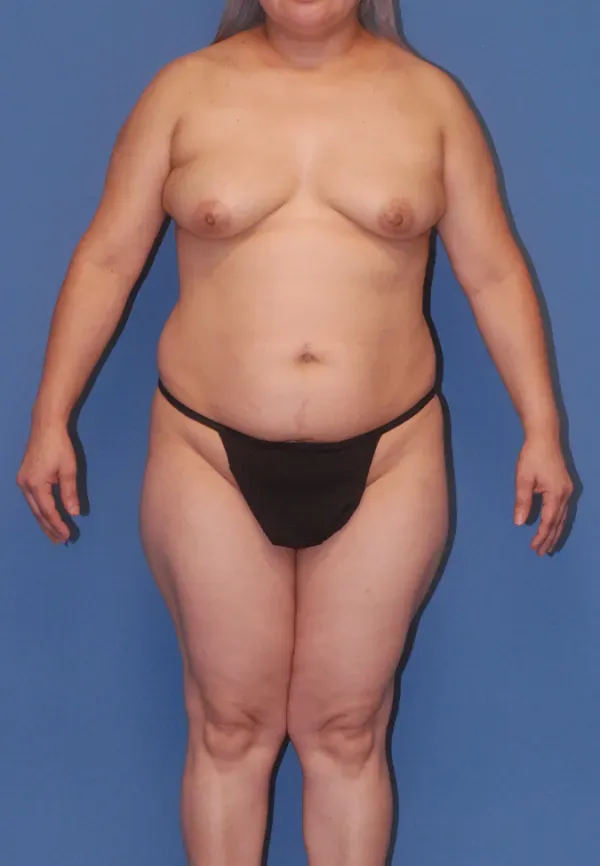
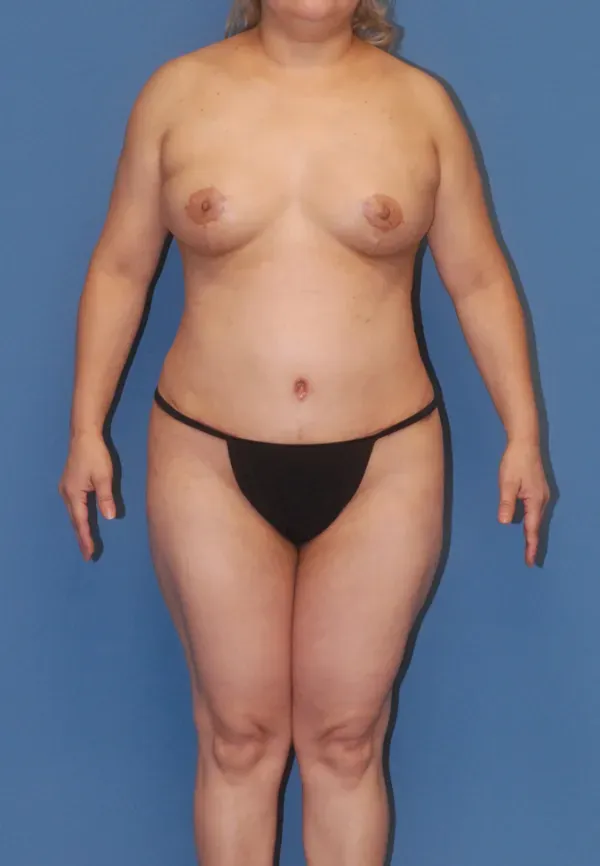
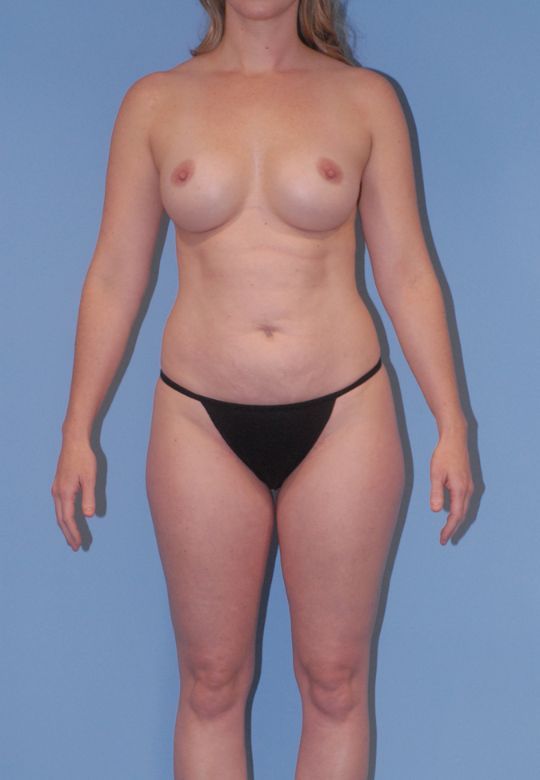
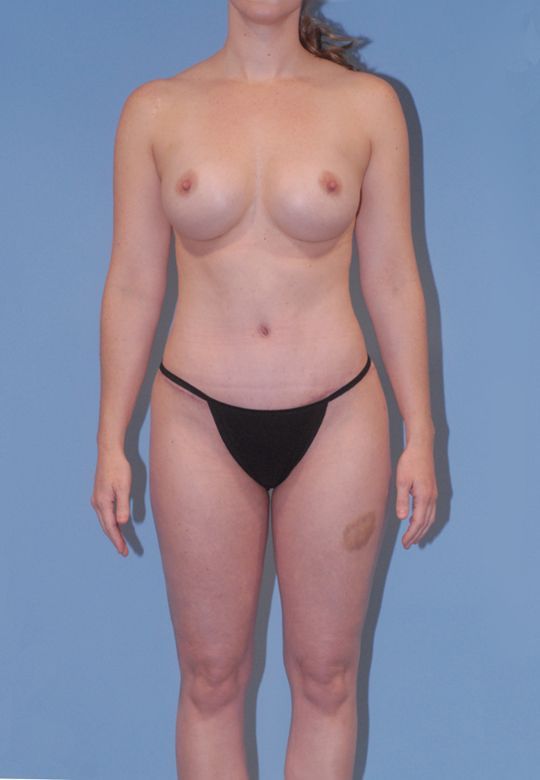
For patients seeking comprehensive refinement, fat transfer often works in concert with other procedures. Consider this patient: a 39-year-old mother who pursued a full Mommy Makeover. Her treatment combined abdominoplasty, liposuction, and a mastopexy (breast lift), enhanced by fat grafting to the breasts and hip dips. These results, captured just three weeks post-op, demonstrate how Dr. Fortes uses a patient’s own tissue to achieve smooth contours and subtle, natural volume where needed most.

View More Results

The Implant Candidate: The Precision of Predictable Volume

For patients seeking a more significant change in breast size, or for those who may not have enough excess fat (a common scenario for very slender individuals), breast implants are the clear solution.

Modern silicone breast implants—specifically the stable form factor of gummy bear breast implants—offer predictable, defined volume that fat alone cannot achieve. A highly cohesive silicone gel fills the shell, allowing the plastic surgeon to select an exact volume and shape. This precision allows the surgeon to address issues like significant asymmetry or a lack of upper breast volume in a controlled manner, correcting for instances of uneven breasts.

Implants come in two primary fills: saline breast implants (sterile salt water) and silicone implants (silicone gel). While saline implants can be inserted deflated and filled to the desired volume, silicone gel implants are overwhelmingly preferred by Dr. Fortes and his patients for their soft, realistic feel that closely mimics natural breast tissue. The evolution of the gummy bear form factor has further increased patient satisfaction by maintaining its shape and minimizing rippling.

For Dr. Fortes, the choice of implant—whether smooth or lightly textured breast implants, round implants or anatomical—becomes the precise tool for achieving the patient's ideal breast shape.

"The single biggest constraint for fat transfer is the lack of available donor fat," Dr. Fortes notes. "If a patient is too lean to safely harvest the volume they need, a modern, highly cohesive silicone implant is the only way to achieve their desired outcome."

The placement of the implant, whether subglandular placement (above the muscle) or submuscular placement (under the pectoral muscle or chest muscles), is another calculated decision based on the amount of existing natural breast tissue and the desire for a soft decolletage. The entire procedure is performed under general anesthesia and is typically an outpatient procedure.

The Long View: Planning for Longevity and Future Maintenance

When comparing breast augmentation with fat transfer vs implants, the conversation must address longevity and maintenance.

The Implant: Longevity and the Lifecycle of a Device

Implants are not considered lifetime devices. While they are built to last, all patients should plan for the possibility of more surgery in the future. The most common reasons for revision surgery include:

  • Capsular Contracture: This occurs when scar tissue that naturally forms around the implant tightens excessively, leading to a firm or distorted breast. It is the most common long-term issue associated with breast implants.
  • Implant Rupture: While modern cohesive silicone gel and saline implants are durable, a breast implant rupture can occur, leading to a leak. With saline, a collapse is noticeable immediately. With cohesive silicone, a leak (often called a "silent rupture") may be detected only through imaging, which is why regular screenings are recommended. Patients experiencing breast pain or sudden changes should seek immediate evaluation.
  • Aesthetic Changes: As the body ages, the patient may desire a change in breast shape or the addition of a breast lift to address the natural descent of the breast tissue or glandular tissue.

This necessary maintenance is part of the commitment to a breast implant procedure. It requires regular check-ups and a proactive approach to long-term health, including monitoring for any symptoms related to the loosely defined term, breast implant illness (BII), or the very rare risk of BIA-ALCL, a type of rare cancer associated with breast implants.

A responsible plastic surgeon provides transparent counsel on all these factors, prioritizing the patient’s health and immune system. The current generation of gummy bear implants is highly durable, but even they require monitoring. Follow-up appointments will determine optimal implant position and implant leaks after the initial procedure.

The Fat Transfer: The Body's Own Product

The long-term outlook for fat transfer is structurally different. Once the transferred fat cells achieve viability (a process that takes several months), they are living tissue. They age with the rest of the body, feel soft and natural, and do not carry the device-related risks of capsular contracture or implant rupture.

The chief requirement for long-term maintenance is a stable body weight. Significant fluctuation can affect the established volume of the transferred fat. If a patient desired a further increase in volume years later, the procedure could be repeated, a process often referred to as a "touch-up."

For the patient who wants to minimize their interaction with synthetic materials and avoid the need for future device replacement, fat transfer can be a highly compelling option. The skill involved in harvesting and purifying the fat places this procedure firmly in the realm of advanced cosmetic surgeons.

From Refinement to Definition: Tailoring the Aesthetic Outcome

The final, and perhaps most compelling, contrast between the two procedures lies in the aesthetic result they can produce. This is where the artistic vision of the plastic surgeon becomes paramount, separating the work of experienced aesthetic surgery specialists from less skilled practitioners.

The Art of Subtlety: Fat Transfer

Fat transfer is the tool of subtle, organic refinement. It excels at:

  • Blending and Softening: Used to smooth out irregularities, soften the edges of existing implants, or correct minor asymmetries in breast shape.
  • Natural Contours: The fat is placed in thin, strategic layers across the breast, avoiding the defined "globe" appearance that some implants can produce. The result is an enhancement that is harmonious with the patient's overall figure.
  • Simultaneous Figure Refinement: This is the inherent advantage of the procedure. The fat harvesting is a subtle liposculpting of the donor site—perhaps around the belly button or flanks—creating a defined waist or flatter abdomen, which in turn enhances the overall silhouette of the newly augmented breast. Dr. Fortes meticulously plans the liposculpting of the donor site to ensure it complements the increased breast volume.

The Art of Definition: Implants

Implants are the tool of precision and dramatic, predictable change. They are essential when the goal is:

  • Significant Volume Increase: For patients who desire to increase cup size by two or more, or who require projection beyond what their current breast tissue allows. This is the surest way to achieve larger breasts.
  • Addressing Sagging or Laxity: While not a substitute for a breast lift, an implant can provide enough upward projection and structural support to address mild to moderate ptosis (sagging) or to fill out skin that has become lax due to factors like pregnancy or significant weight loss.
  • Reconstruction: Implants are indispensable in reconstructive surgery, particularly for patients who have undergone a mastectomy due to breast cancer. This field of plastic and reconstructive surgery leverages the technology for profound results.

The key to a beautiful, natural-looking implant result is the careful selection of implant type (cohesive gel or saline), size, and implant position relative to the chest muscles. A skilled plastic surgeon knows how to select an implant that achieves the desired outcome without producing a result that looks or feels disproportionate.

Dr. Fortes advises, "When a patient requests dramatic volume or a high degree of projection, that is a mandate for implants. Fat transfer achieves subtlety; implants achieve definition and predictable scale."

The Necessary Conversation: Finding Your Authentic Path in Houston

The decision between implants or fat transfer is a deeply personal negotiation between a patient's goals, their lifestyle, and their innate anatomy. There is no universally "better" choice; only the choice that is right for the individual. The aim is to enhance breast shape in a way that aligns perfectly with the patient’s self-perception.

If the patient is drawn to natural breast tissue, minimal maintenance, and the added benefit of simultaneous body contouring, the limited, modest increase of fat transfer breast augmentation may be the ideal fit. If the patient seeks significant volume, maximal shape control, or has a very slender frame, the predictability and structural support of modern silicone breast implants will likely offer the best aesthetic and long-term result.

The true value lies in the guidance of an expert who can interpret these competing desires and technical parameters. Dr. Fortes ensures that this complex decision is broken down into clear, manageable steps, allowing patients to move forward with the confidence that their safety and aesthetic goals are prioritized. The process must feel supportive, not clinical—a seamless journey designed to enhance body image and vitality.

For patients in Houston, TX, and those who travel from out of town, the path to feeling your most confident self begins with a thorough, transparent consultation with Dr. Fortes. It is in this setting that the complex data of anatomy, the latest in aesthetic technology, and a patient's deepest personal aspirations are synthesized into a precise, customized blueprint.

The ultimate goal goes beyond physical change. It is to clarify the patient’s vision, allowing them to confidently step into their future with results that are both visually and personally authentic.

Learn More About the Fat Transfer Breast Augmentation Procedure

Ready to explore how your body's own resources can be used to achieve subtle, natural volume and refinement? Dr. Fortes will help you find the best option for your aesthetic goals.

Learn More

Meet Dr. Fortes

Dr. Paul F. Fortes, a distinguished, dual-board-certified plastic surgeon based in Houston, TX, offers an elite standard of care defined by a rare blend of artistic sensibility and scientific rigor. Dr. Fortes believes superior aesthetic results are never "off the rack," but are meticulously customized and individually crafted to meet each patient’s unique vision. He approaches every procedure with the precision of an artisan, ensuring the safest, most harmonious, and exquisitely detailed outcomes that stand apart from the ordinary.

Trusting your aesthetic goals to Dr. Fortes means placing your care in the hands of a provider with impeccable credentials. A graduate of Rice University (Magna Cum Laude) and an inductee of the exclusive Alpha Omega Alpha Honor Medical Society, he completed an extensive eight-year surgical residency, including three years of specialized plastic surgery training at the prestigious Northwestern Medical Center in Chicago. Recognized for over a decade as a Texas Super Doctor, Dr. Fortes affirms his position as a preeminent leader, solidifying him as THE trusted expert for those seeking truly transformative, beautiful, and enduring results.
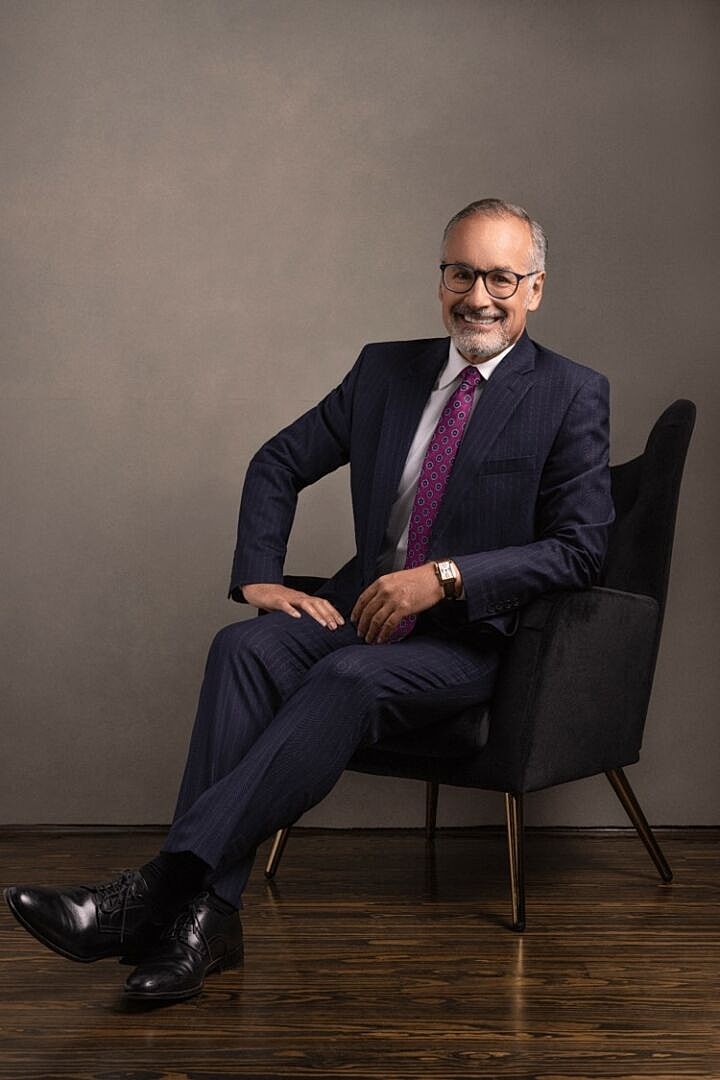
Man in formal attire sitting on a chair.