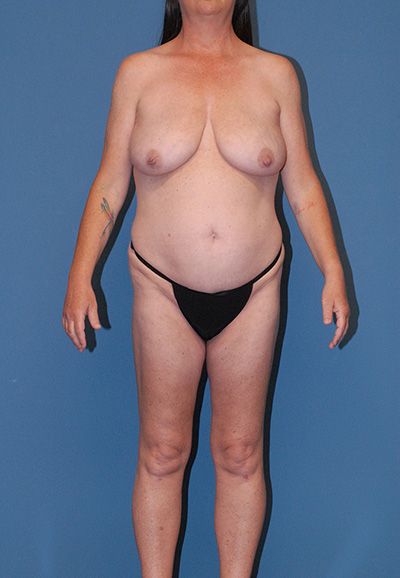
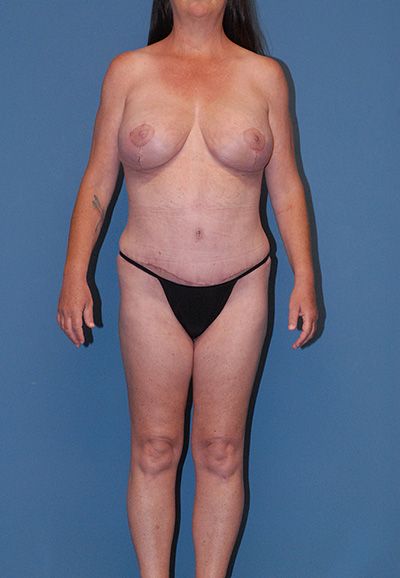
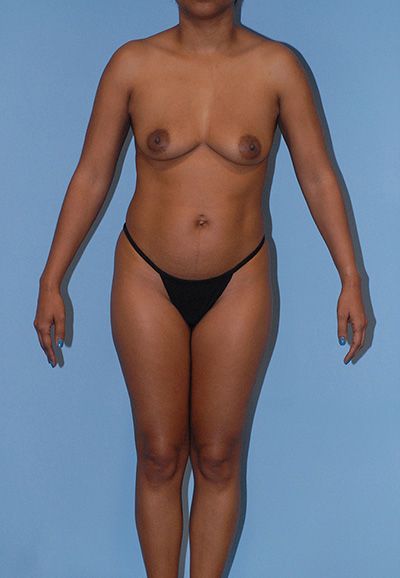
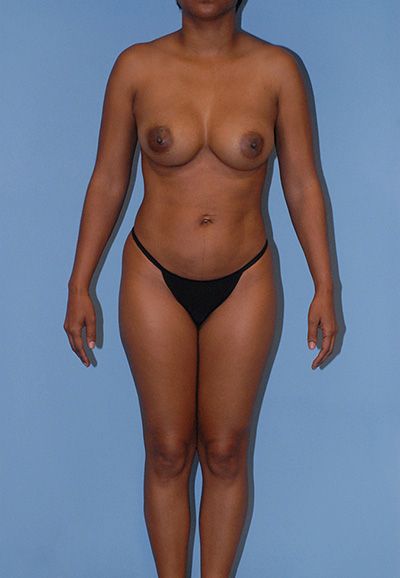
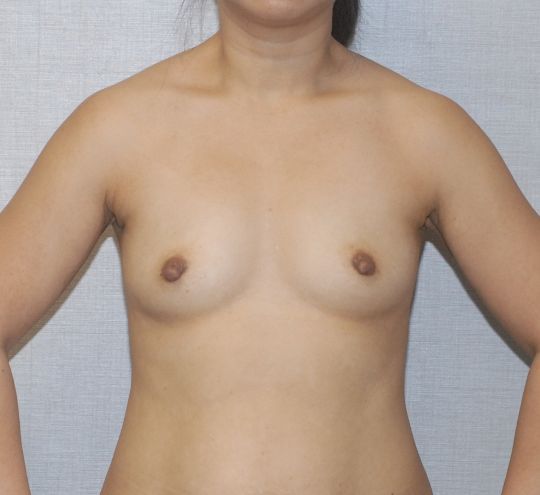
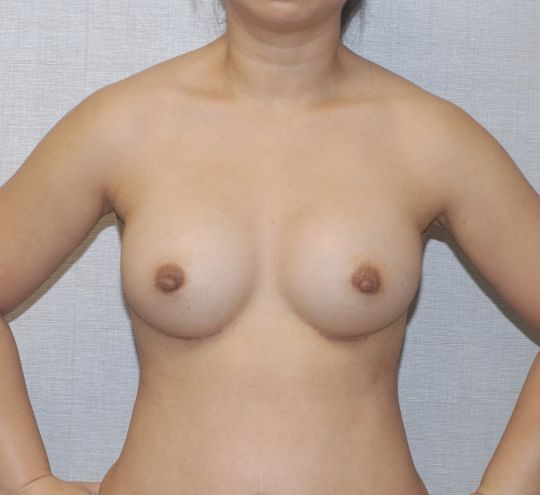
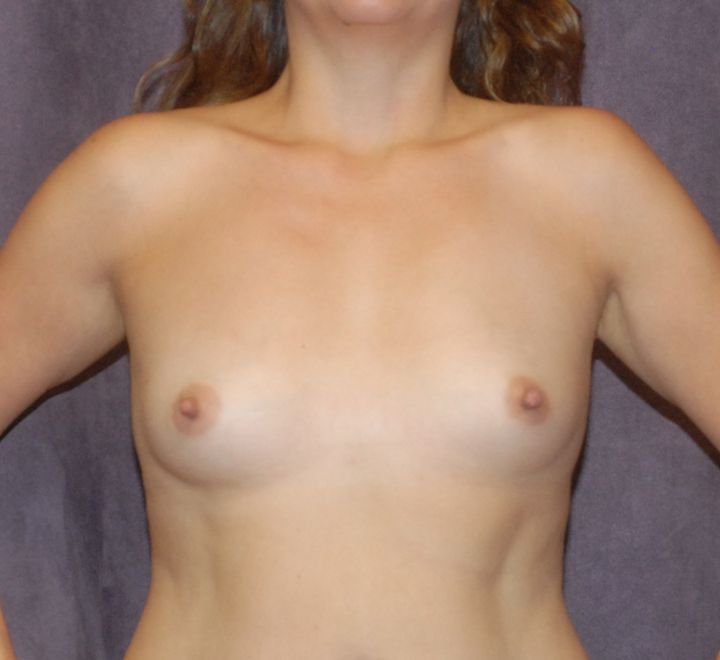
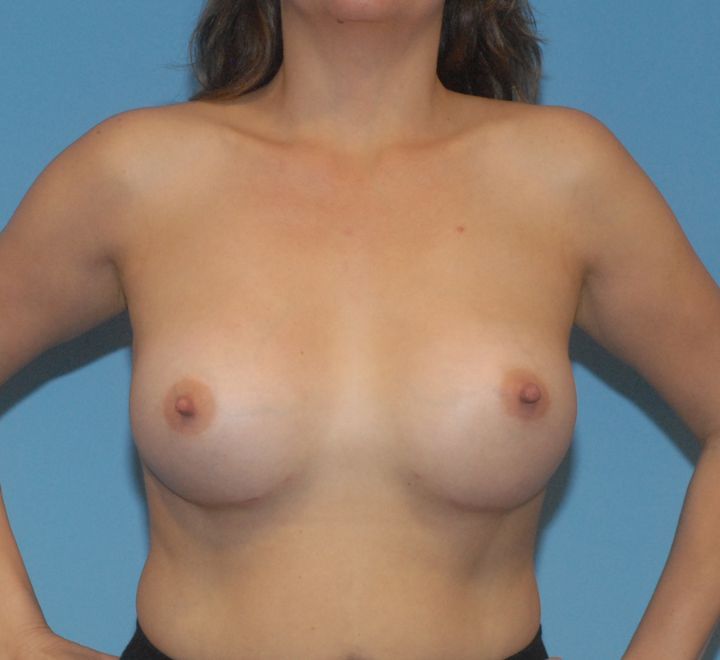
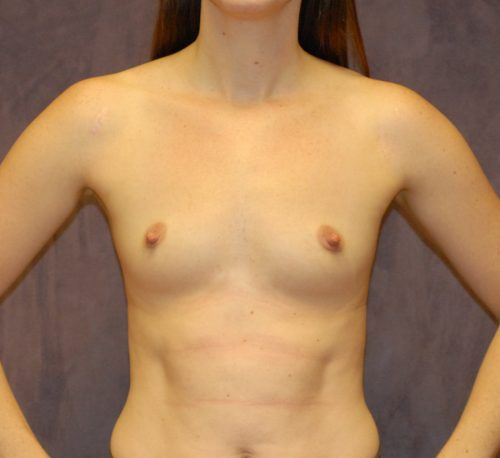
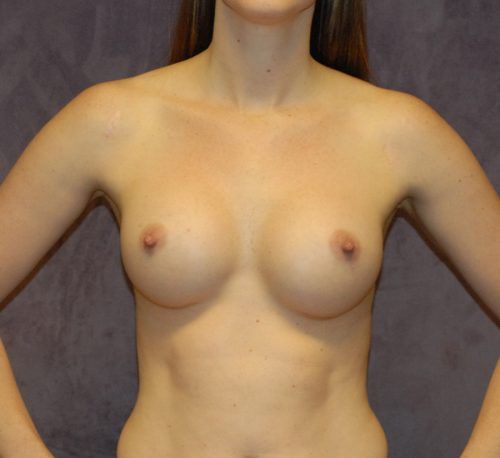
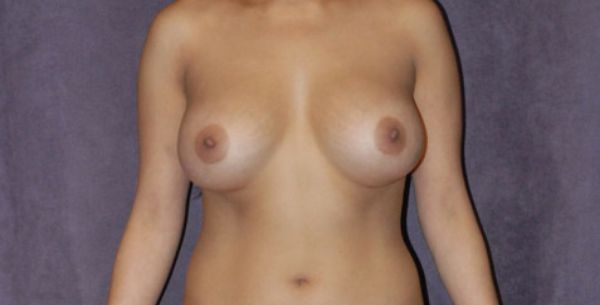
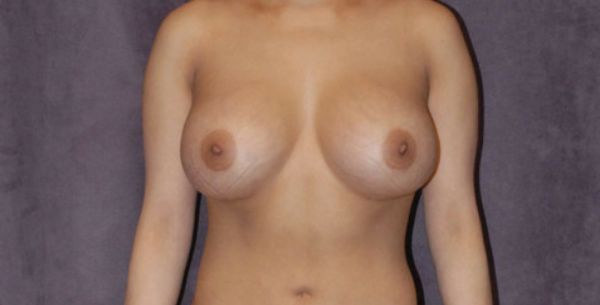
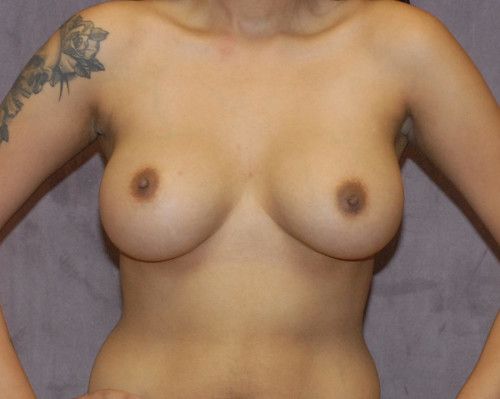
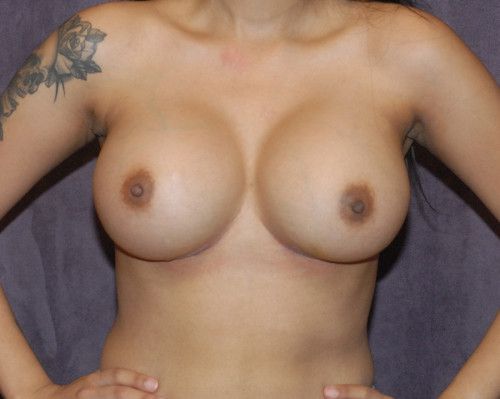
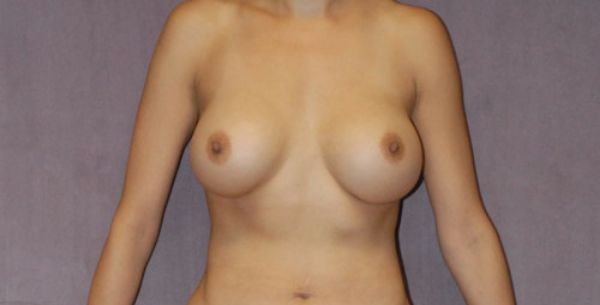
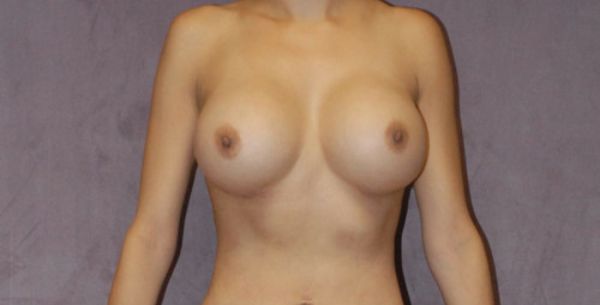
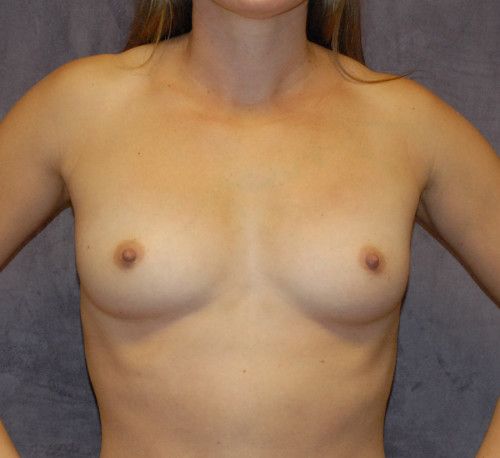
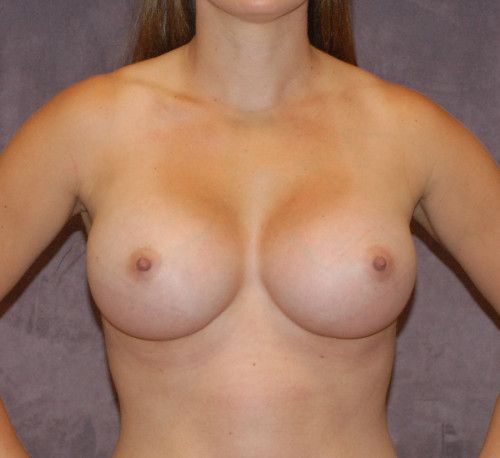
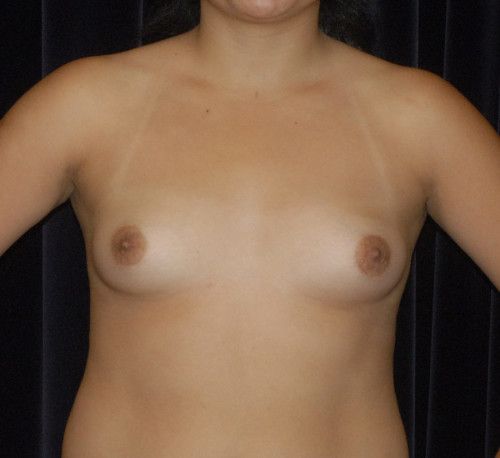
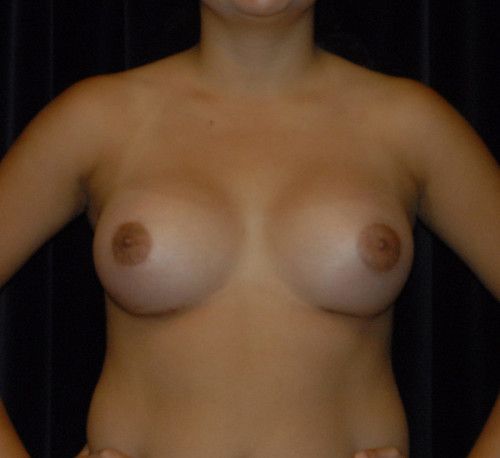
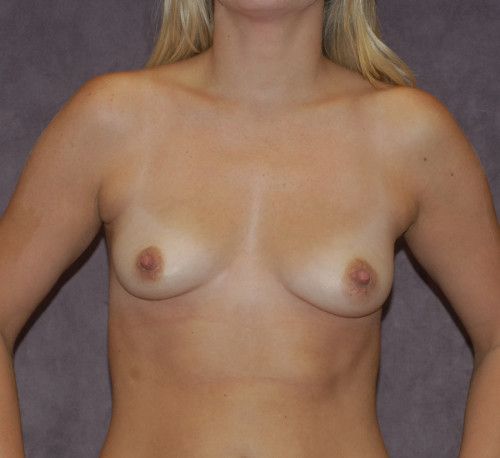
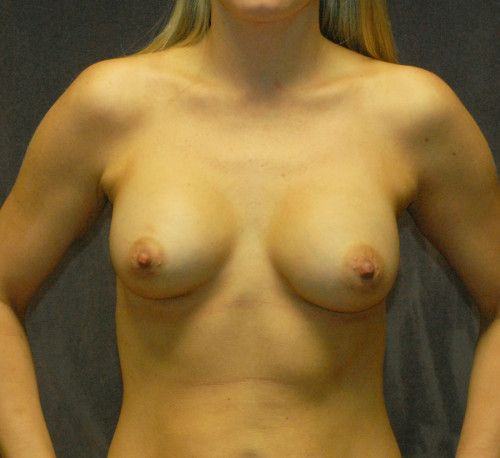
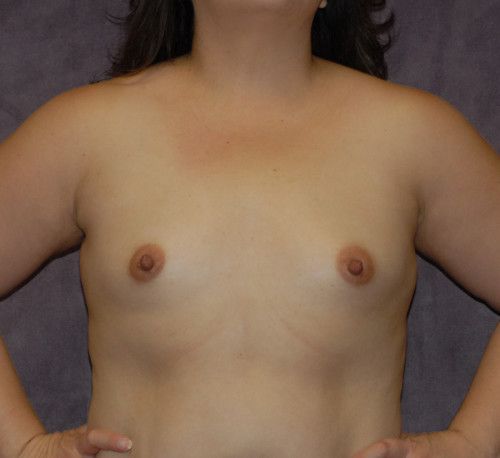
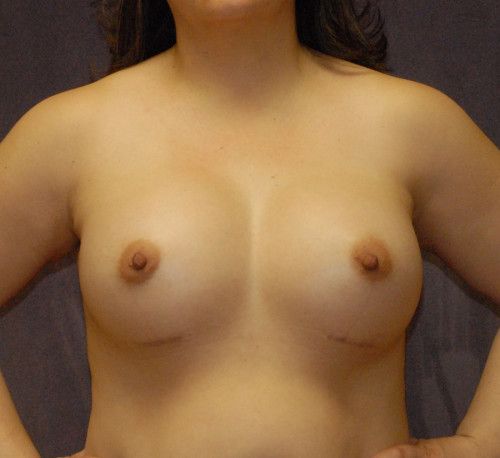
Breast Augmentation
Houston


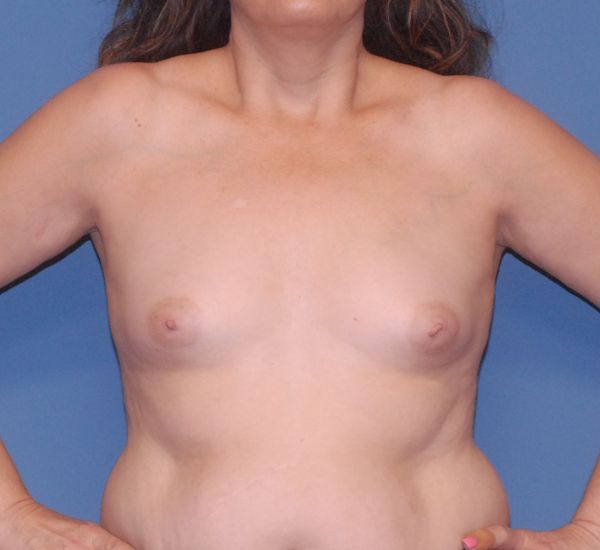
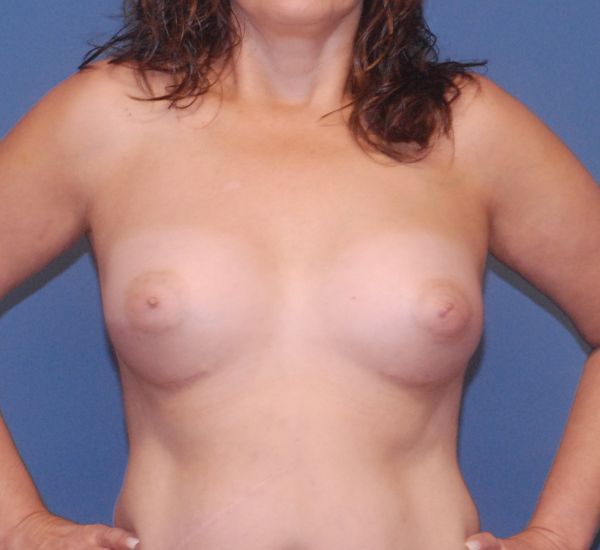
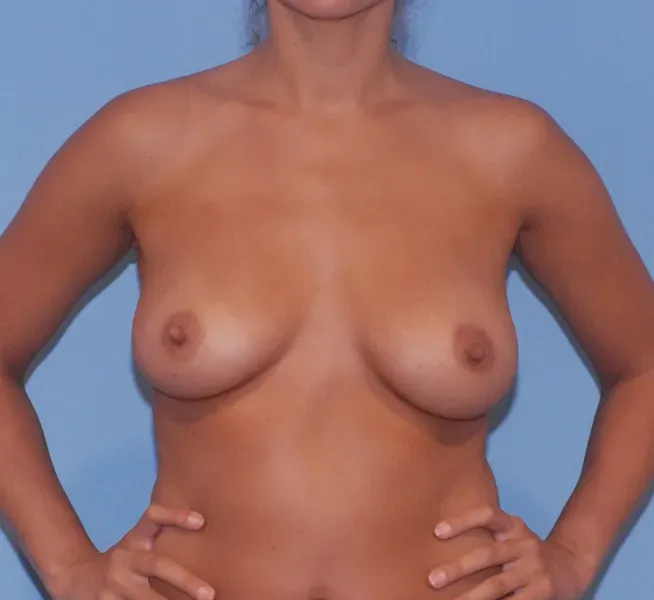
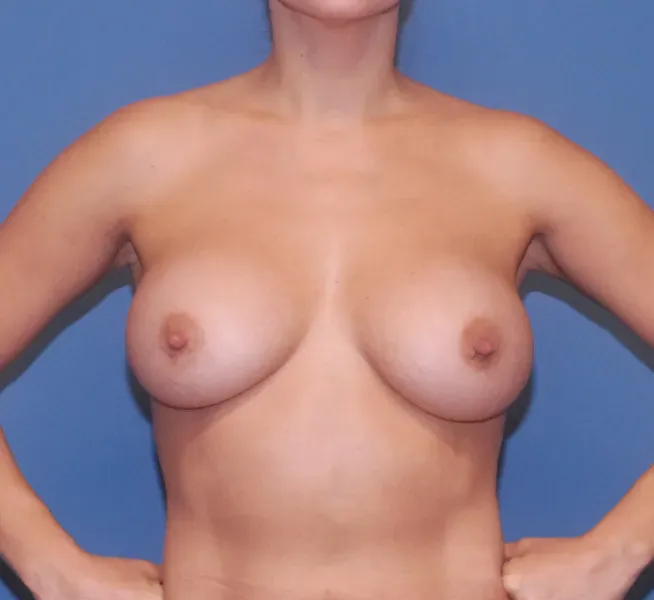
A well-planned breast augmentation should look proportionate to your frame and feel consistent with your body. Achieving this balance depends on selecting an implant your natural breast tissue can support while creating the volume increase you want.
Dr. Paul Fortes has more than 25 years of experience performing breast augmentation in Houston. He brings steady precision to every procedure by shaping the breast pocket and positioning the implant to achieve a stable contour with a natural look.
1 of 108
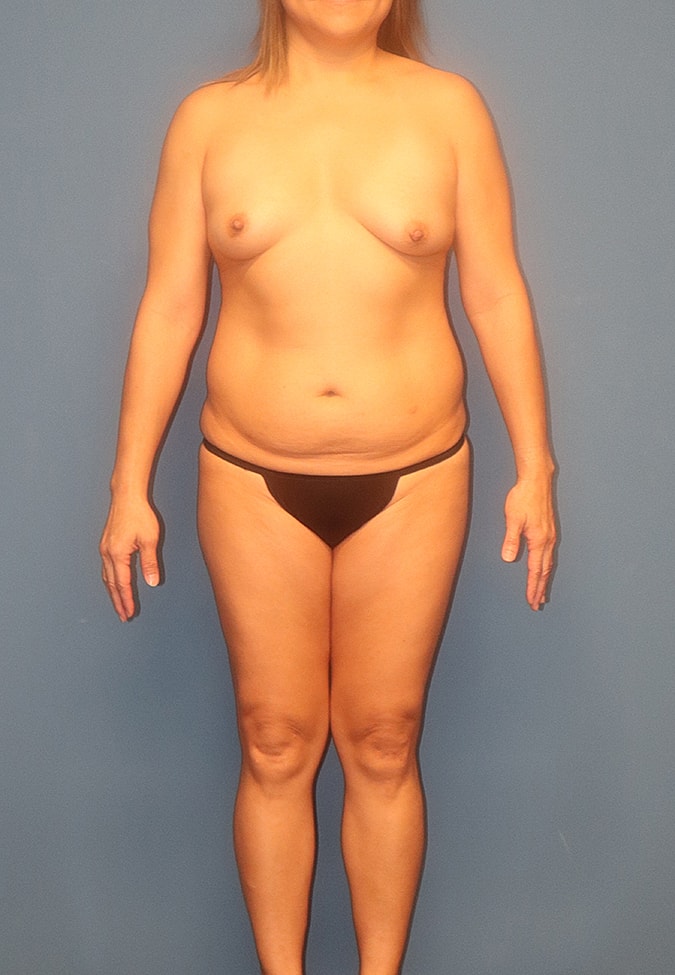
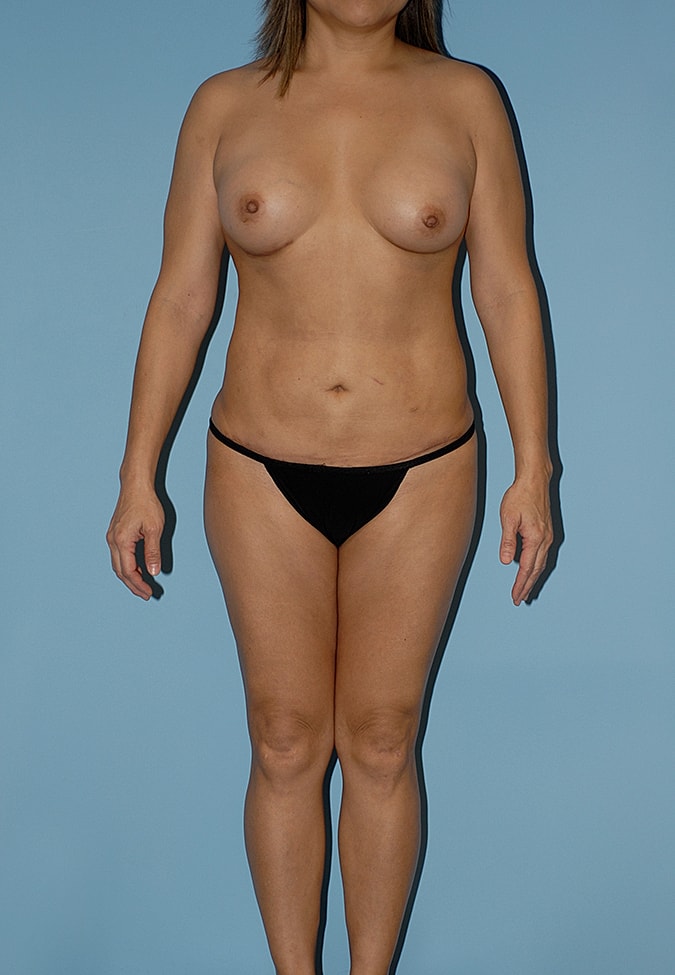
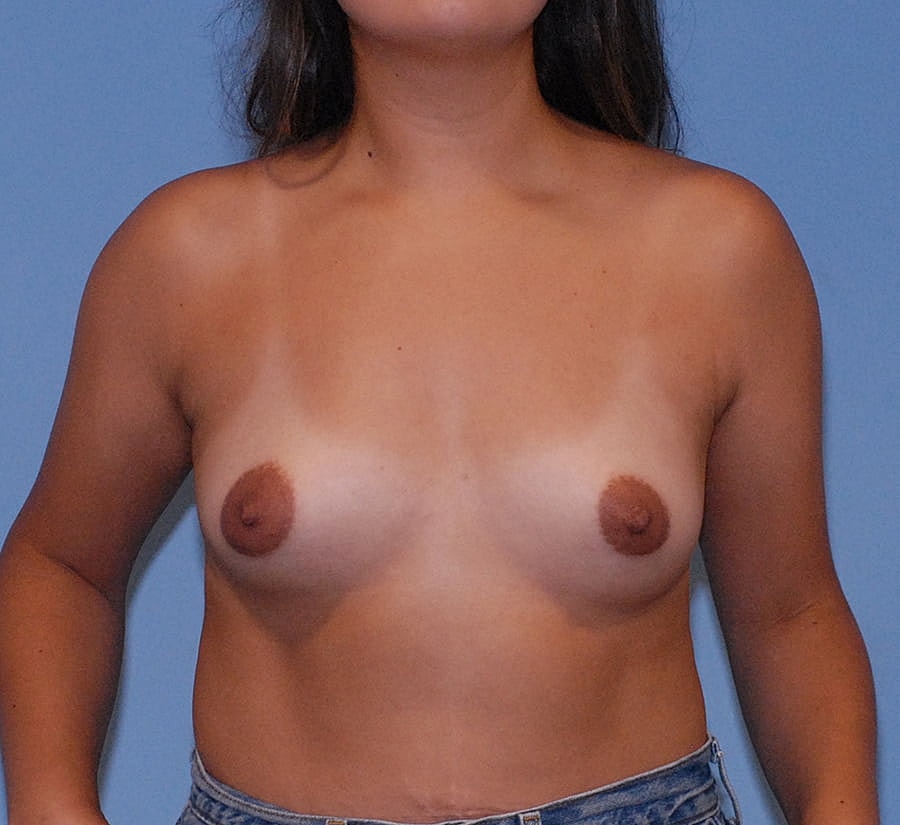
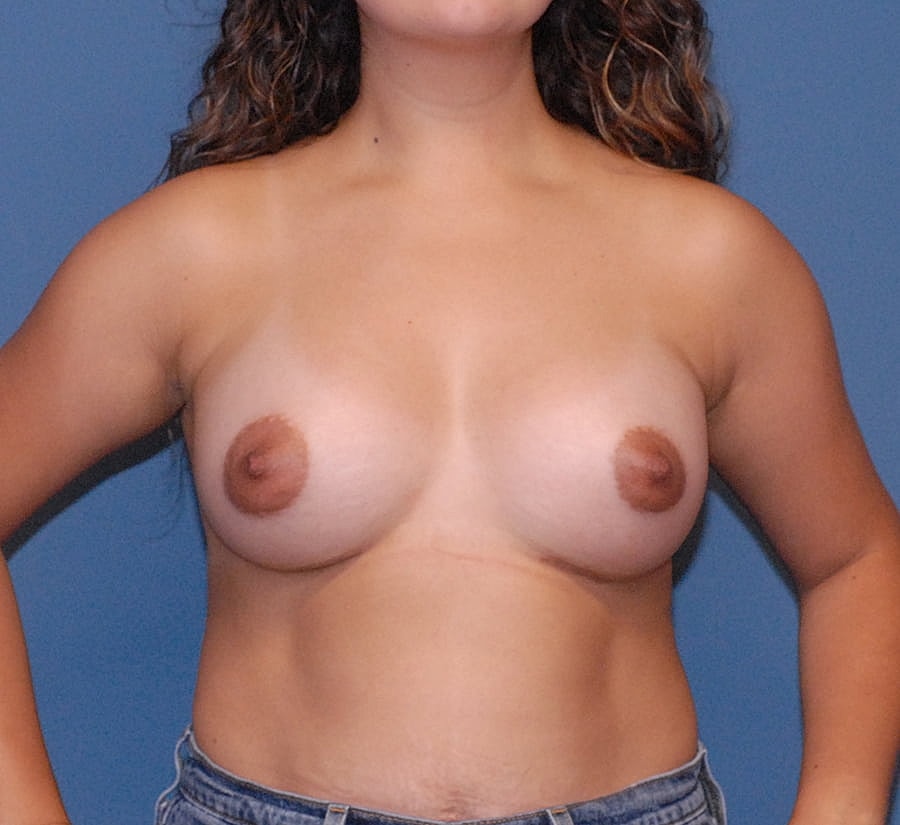
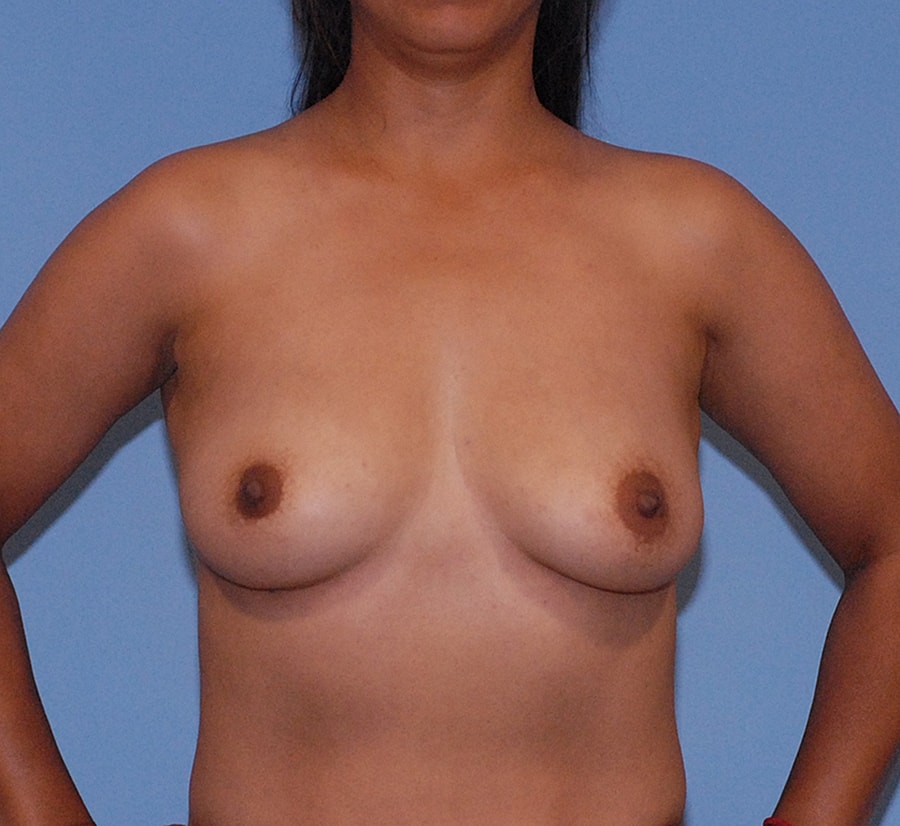
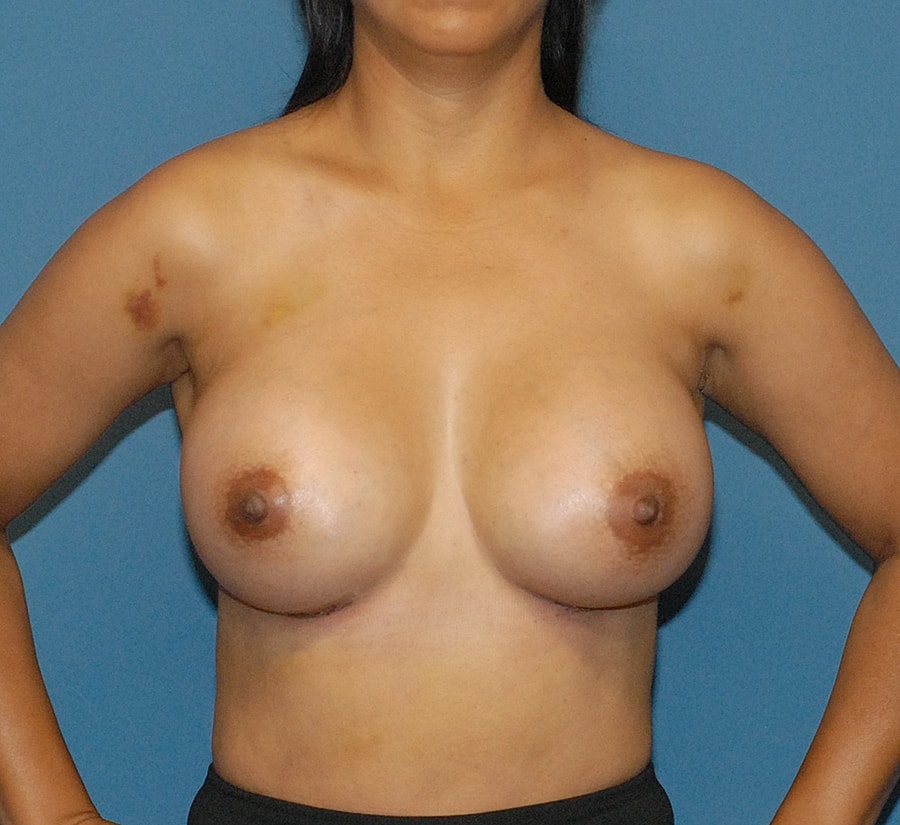
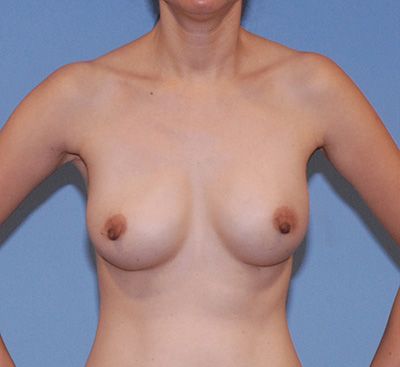
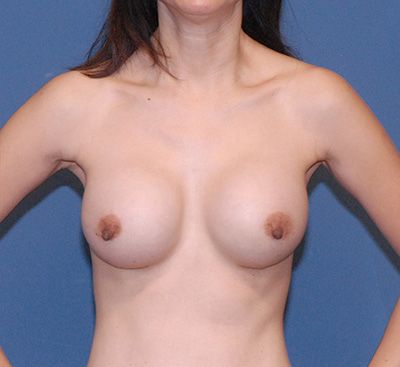
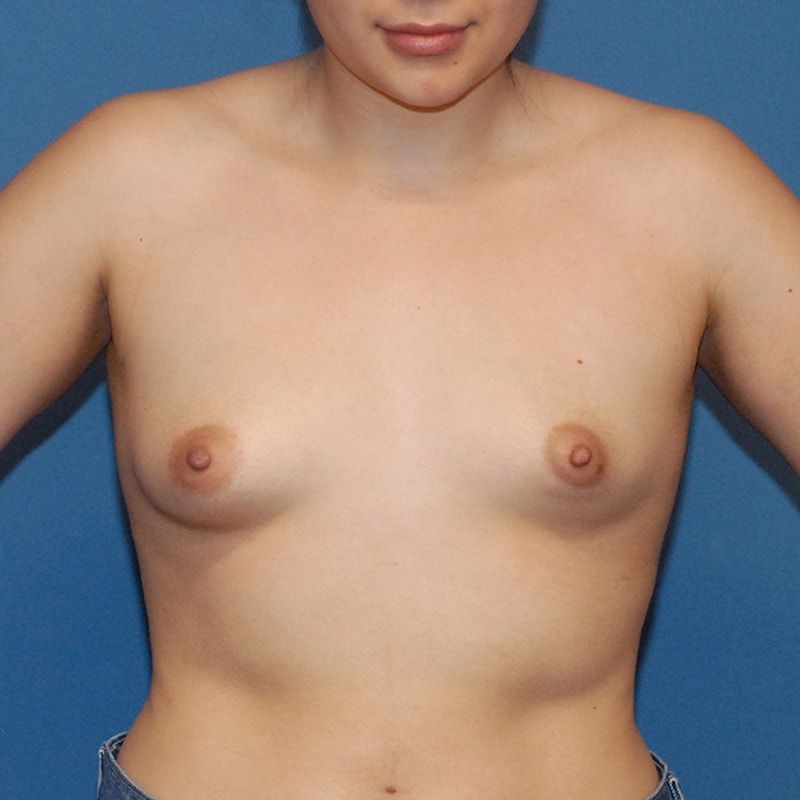
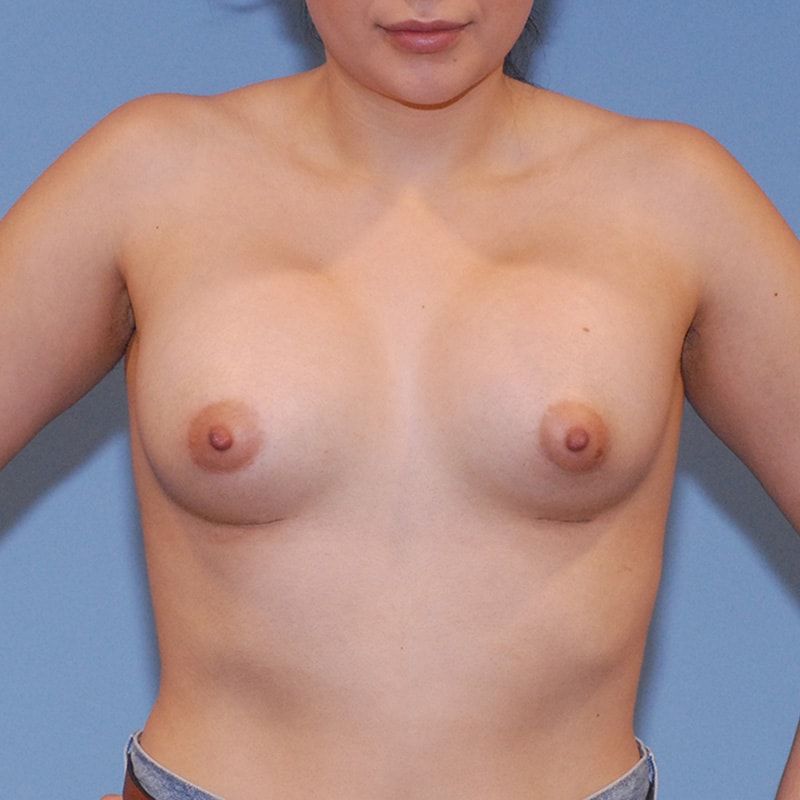
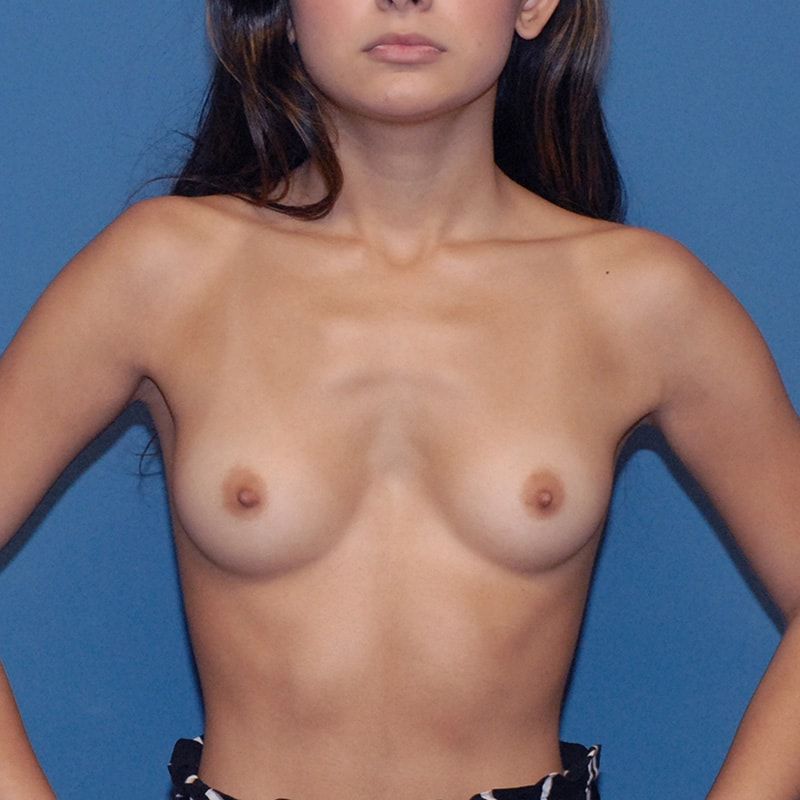
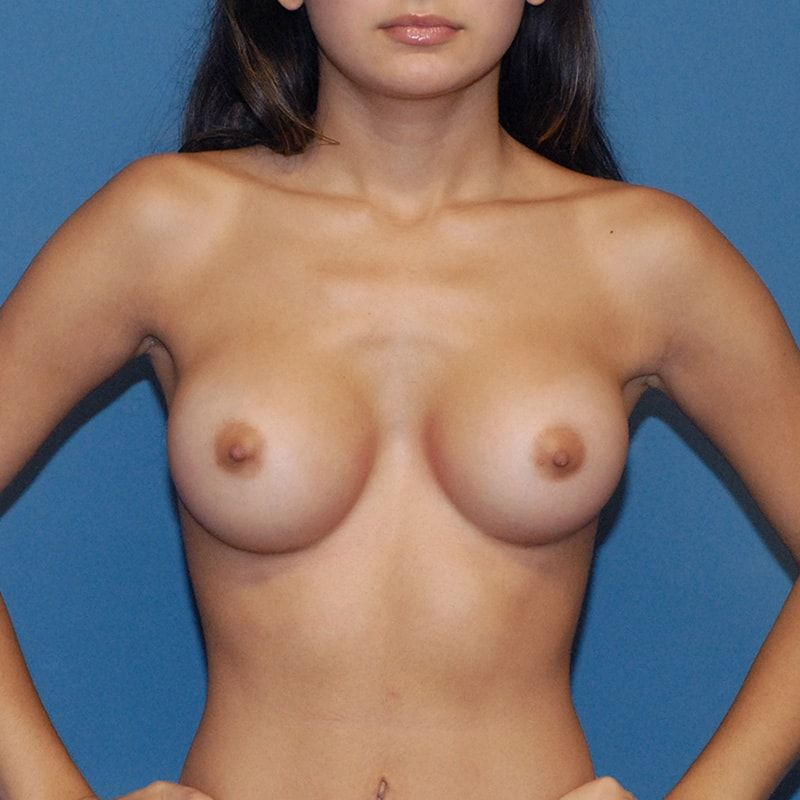
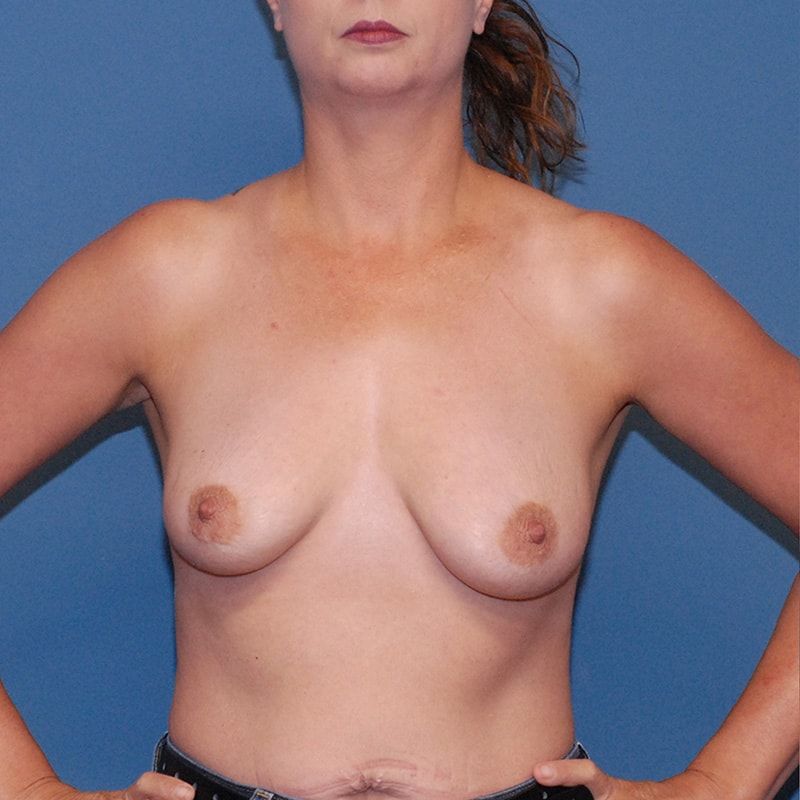
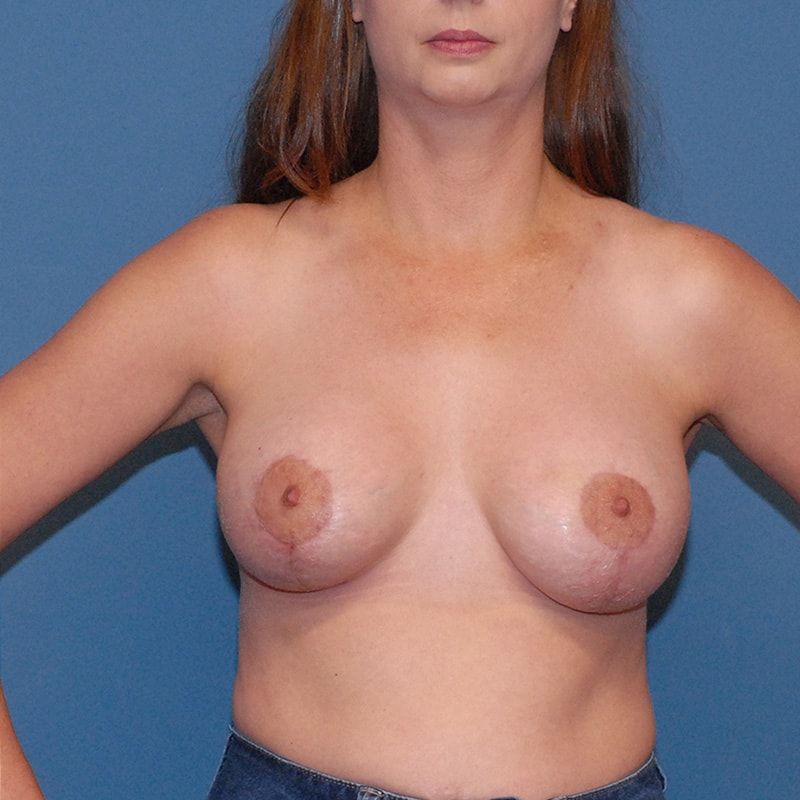
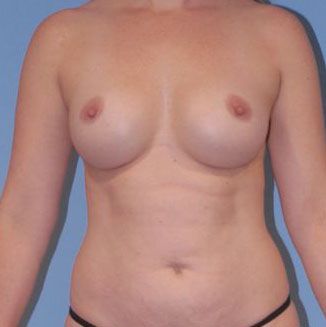
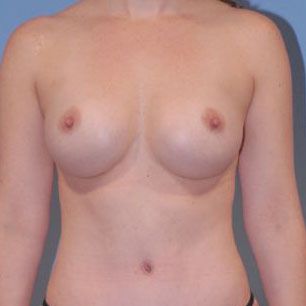
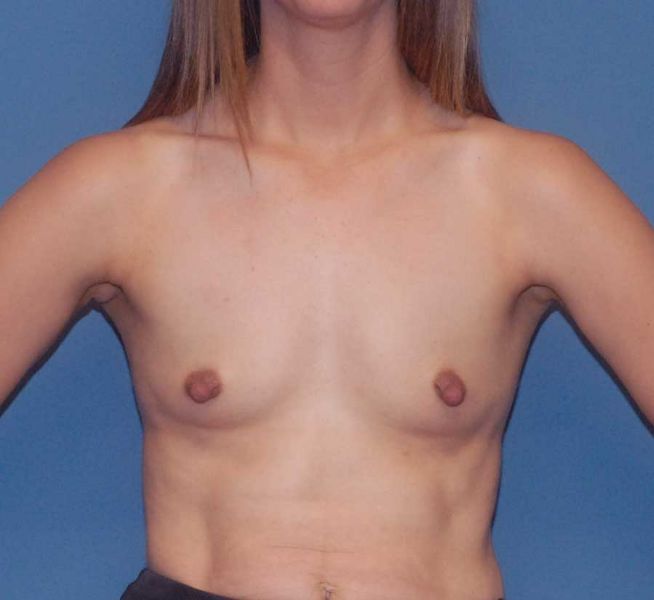
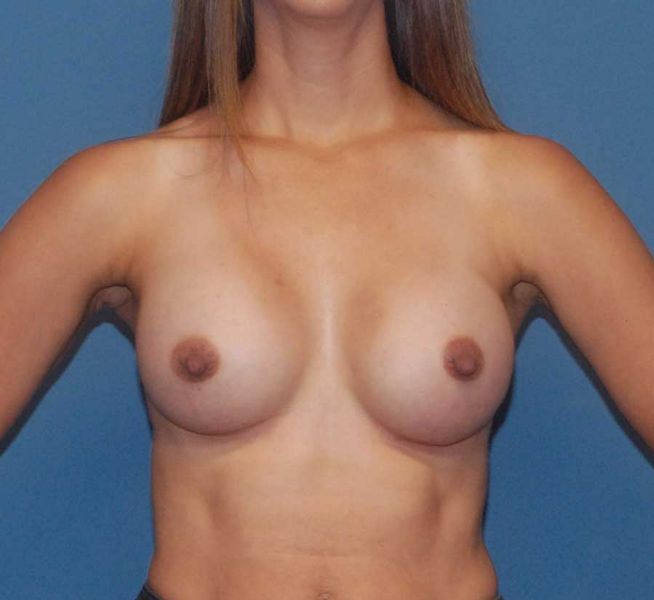
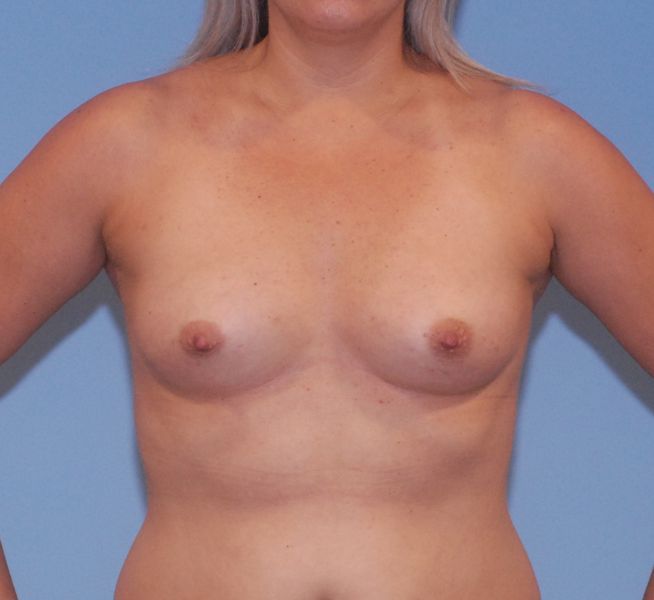
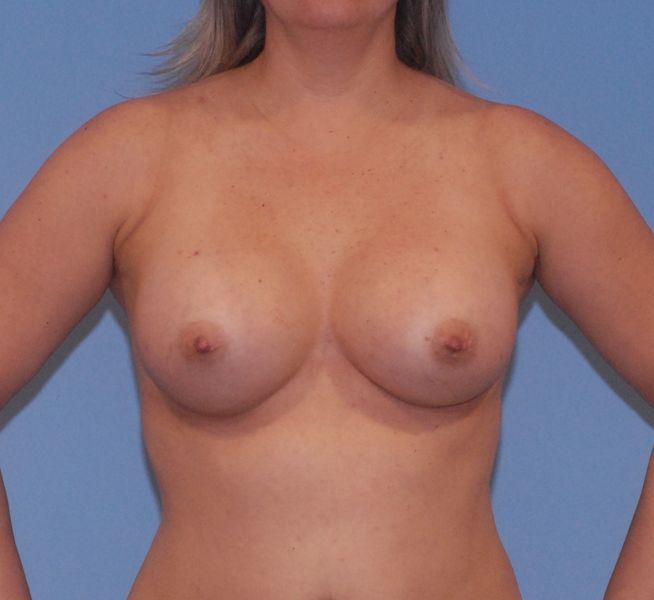
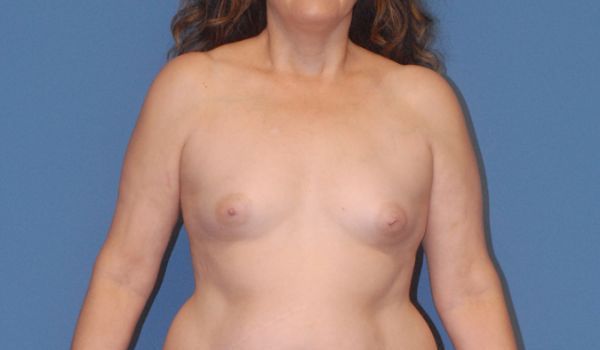
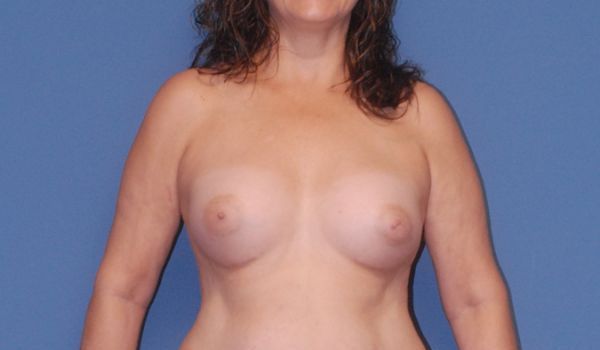
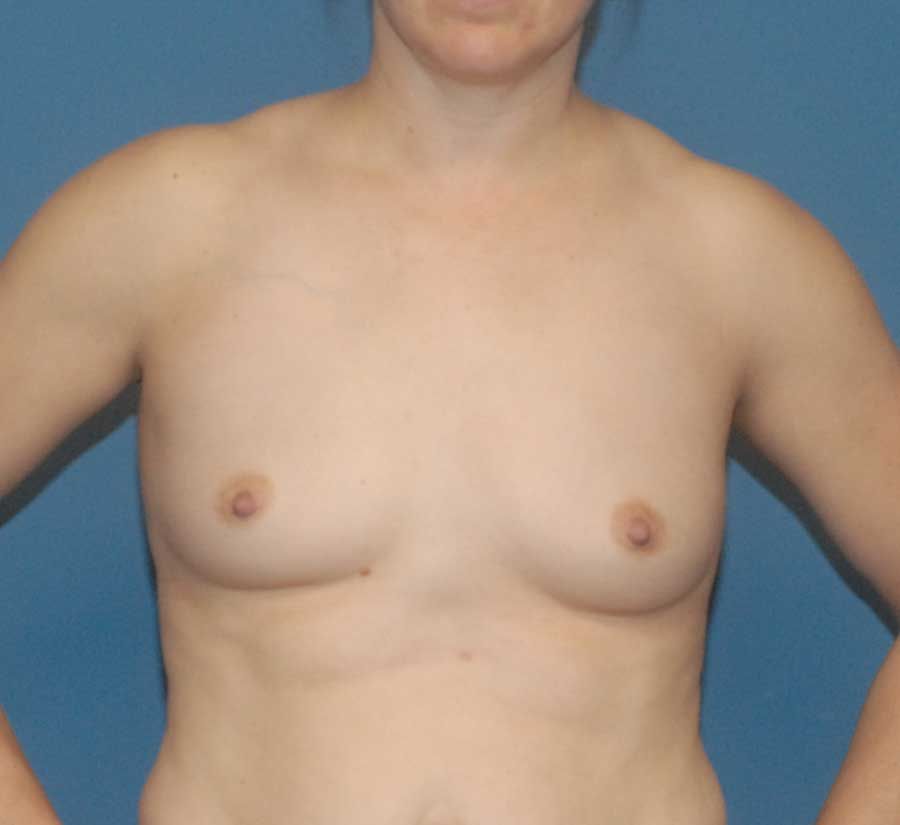
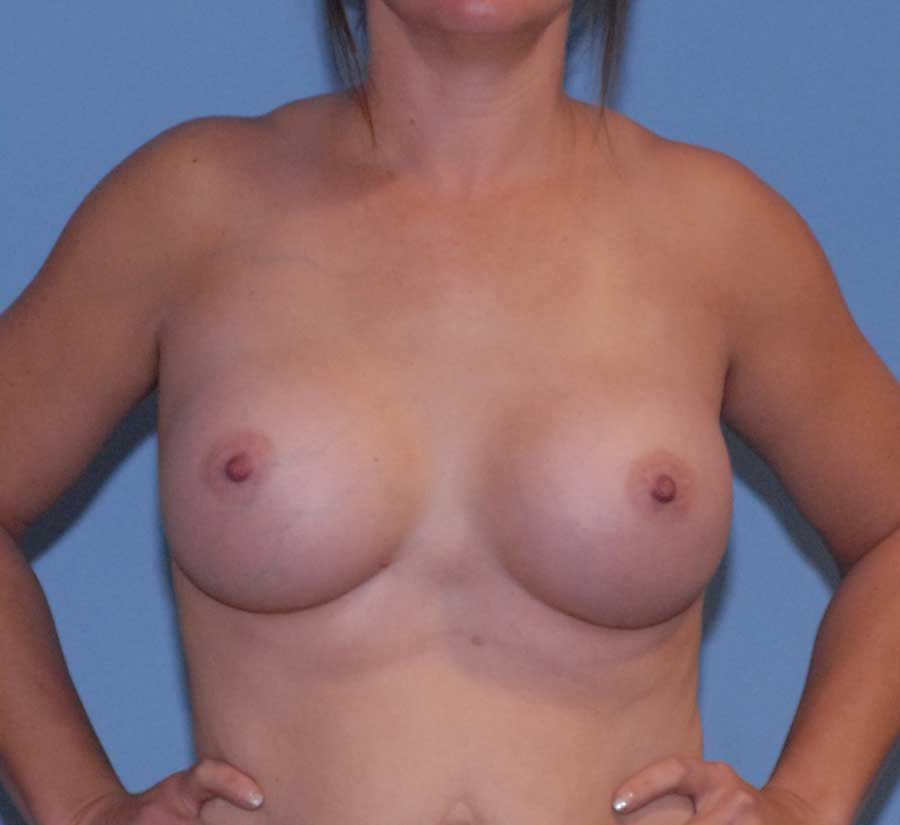
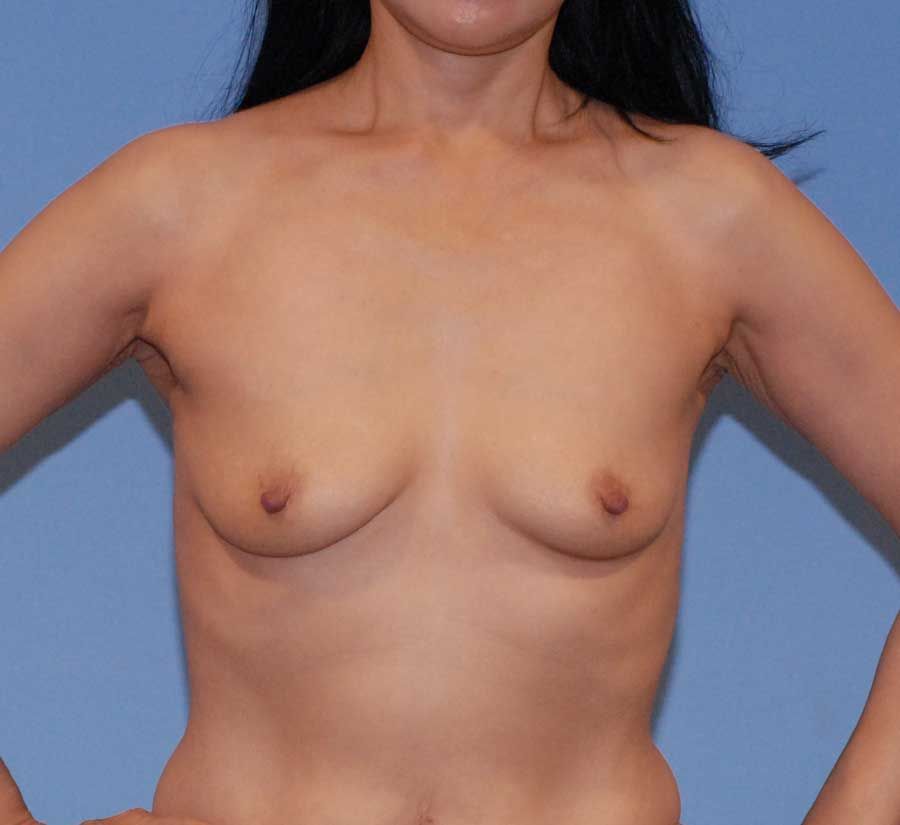
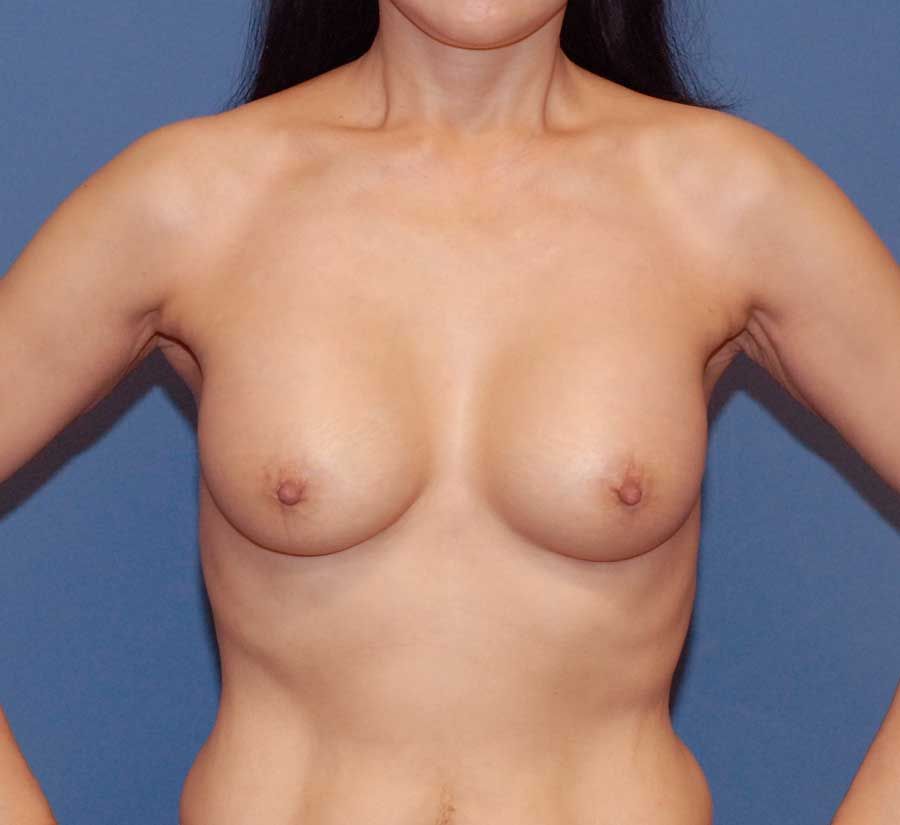
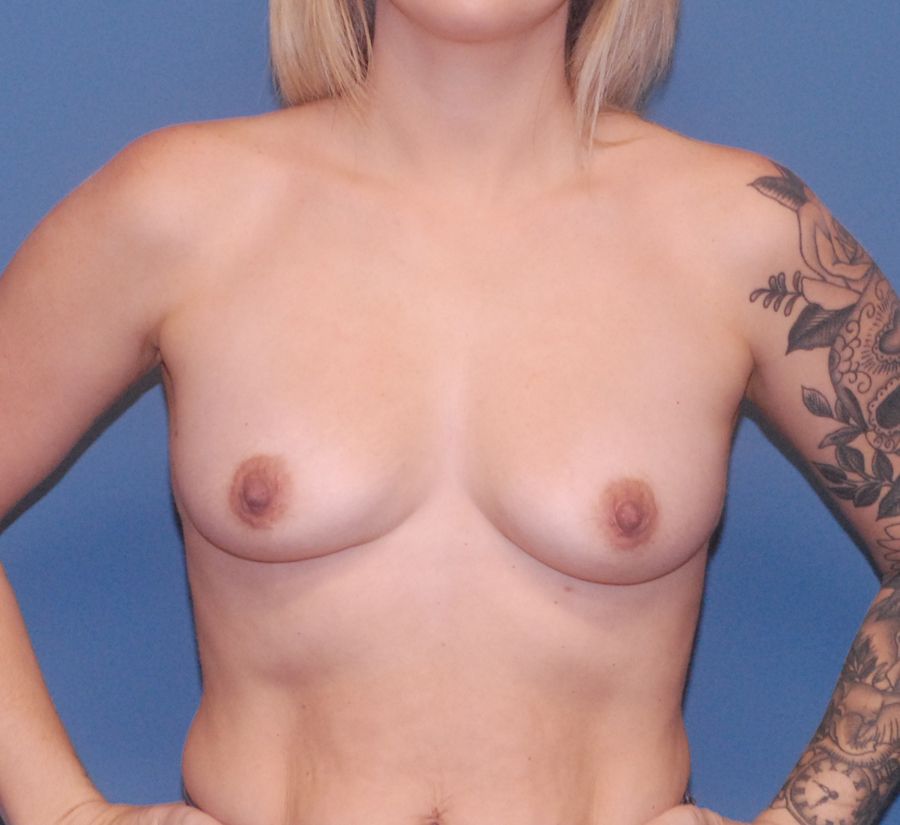
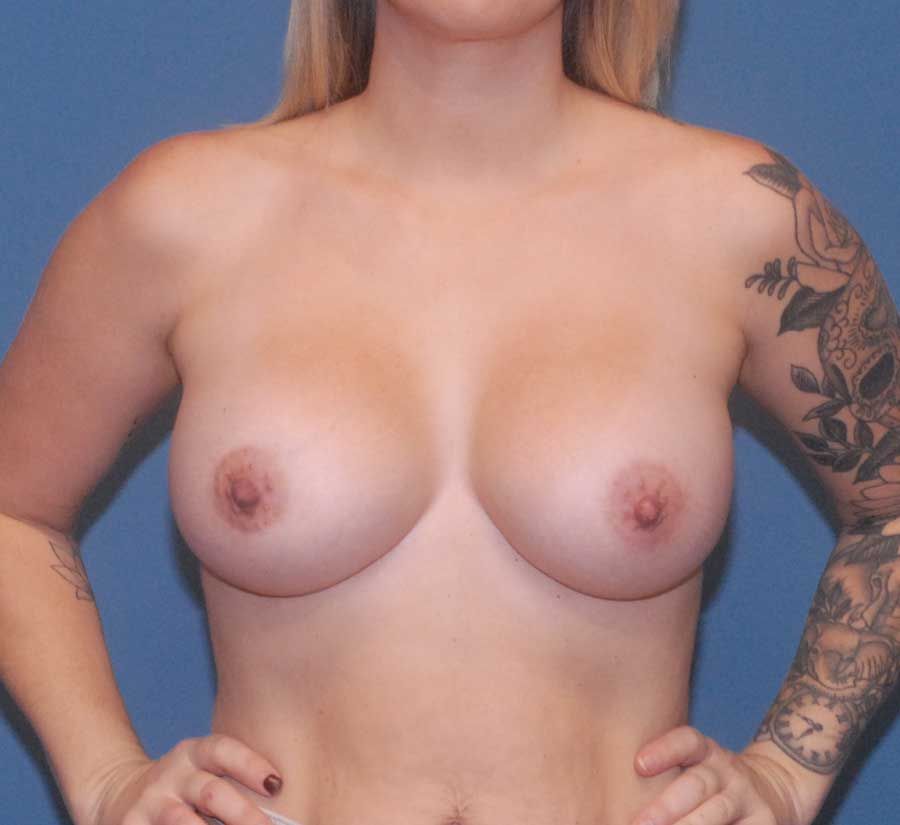
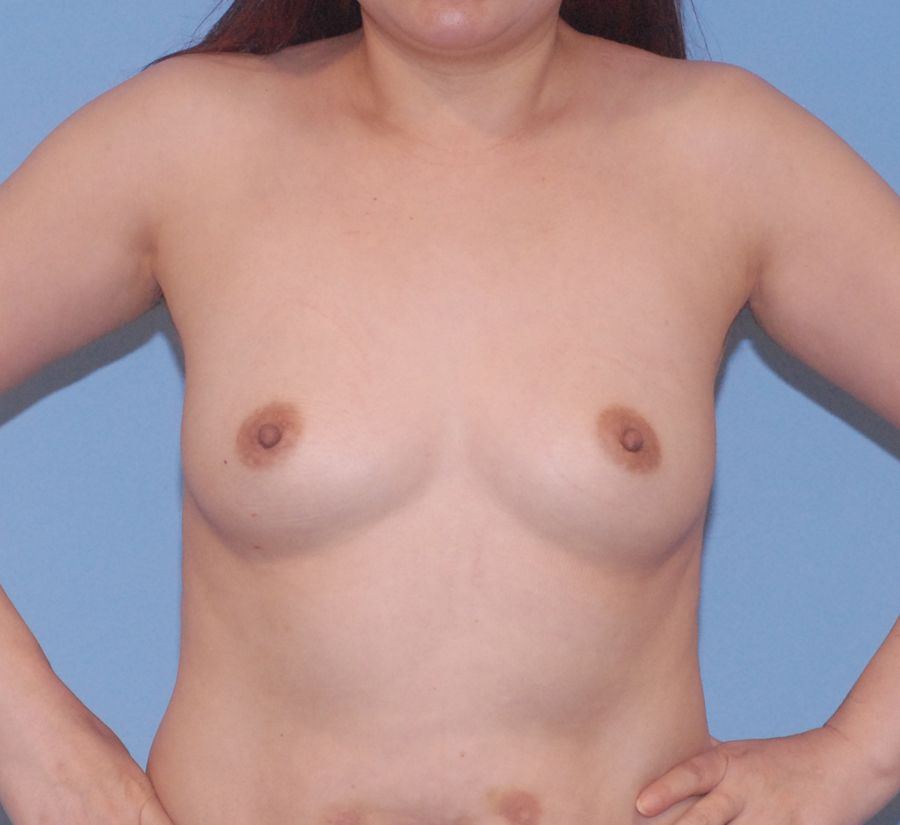
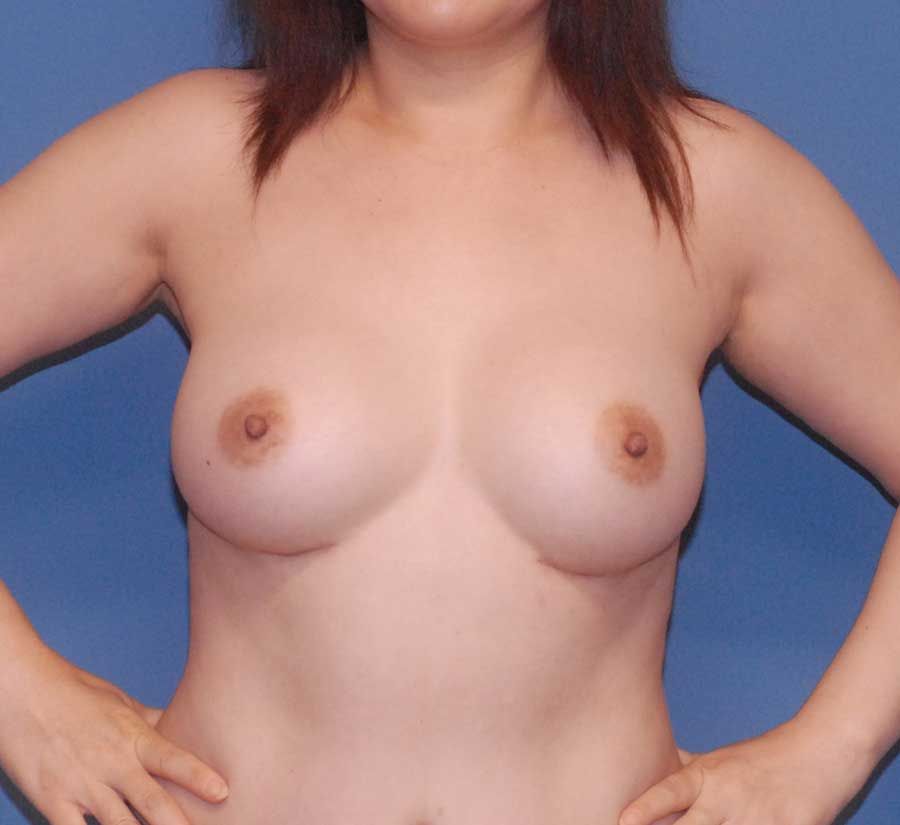
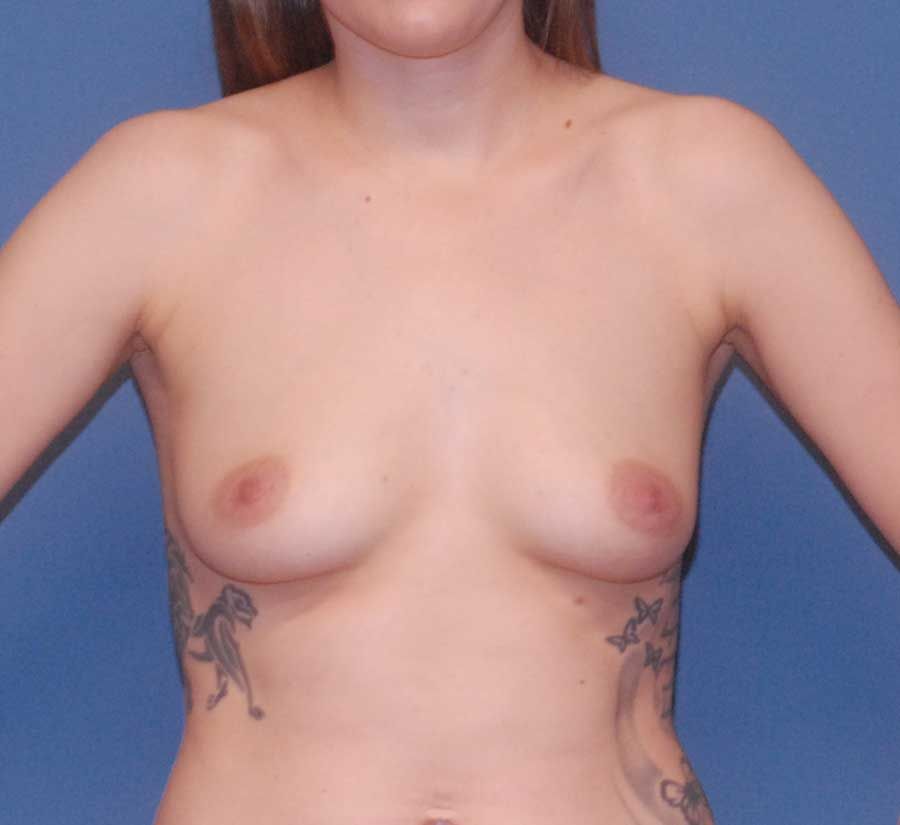
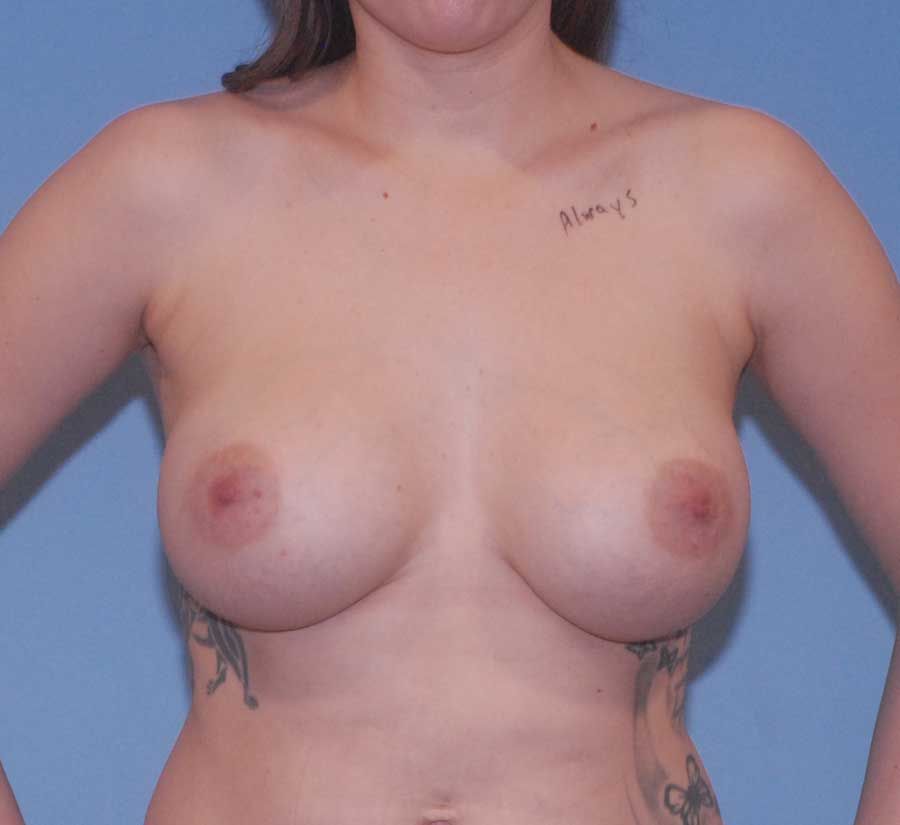
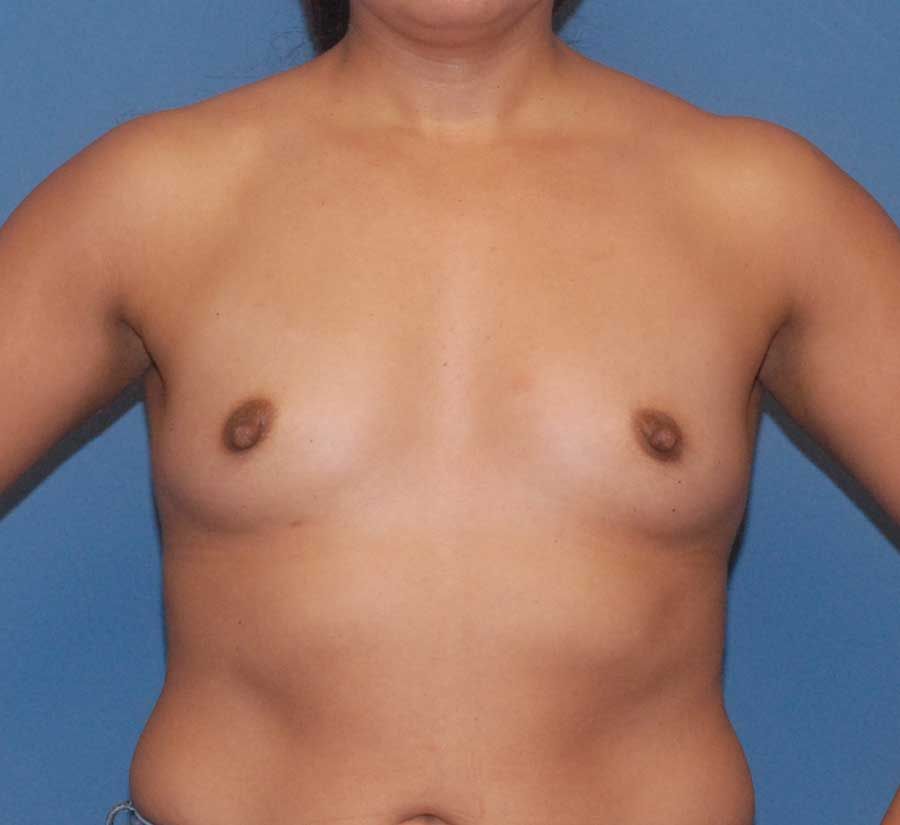
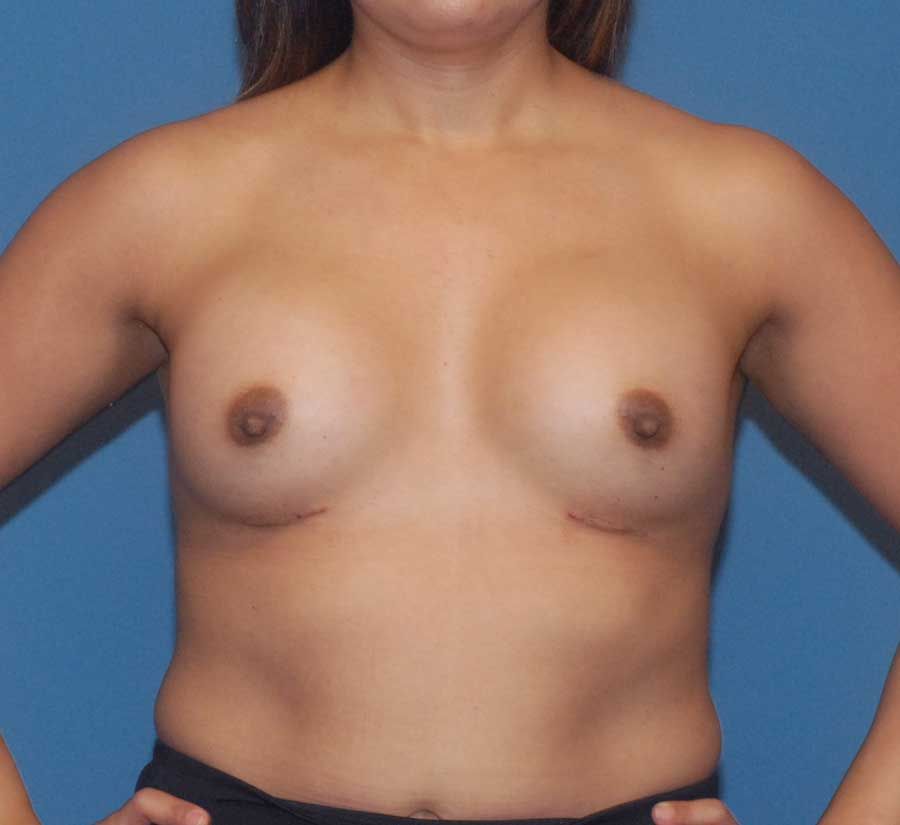
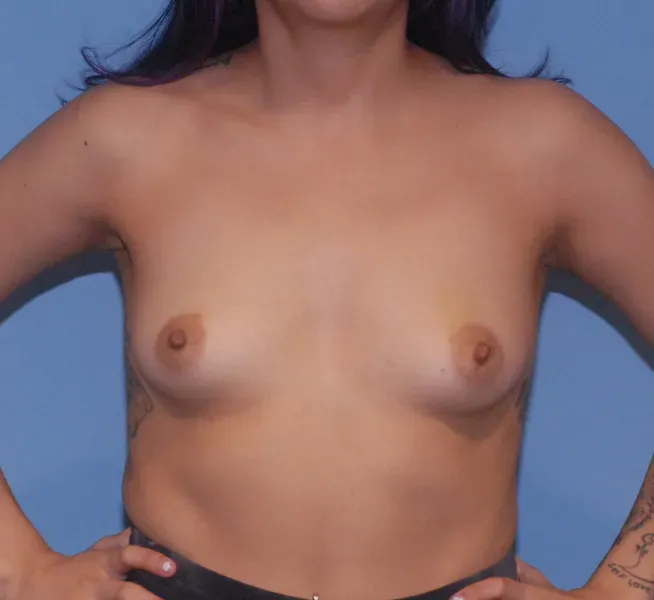
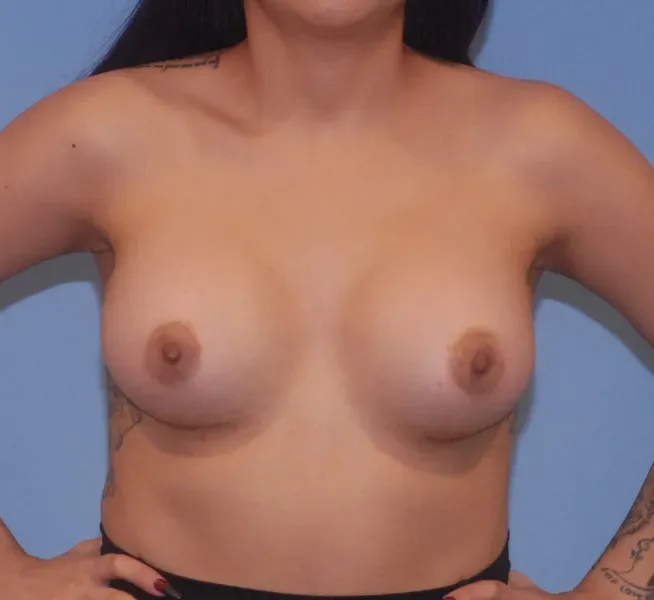
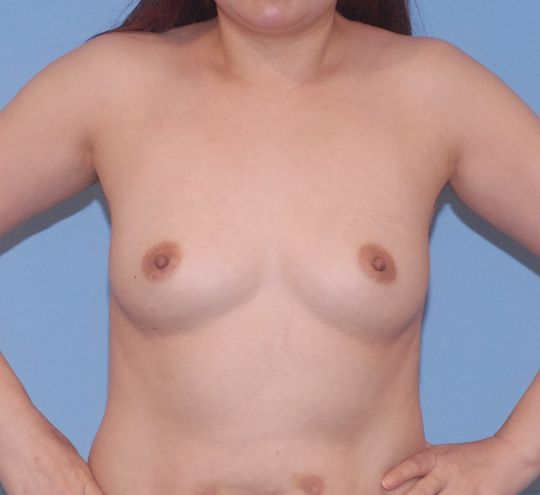
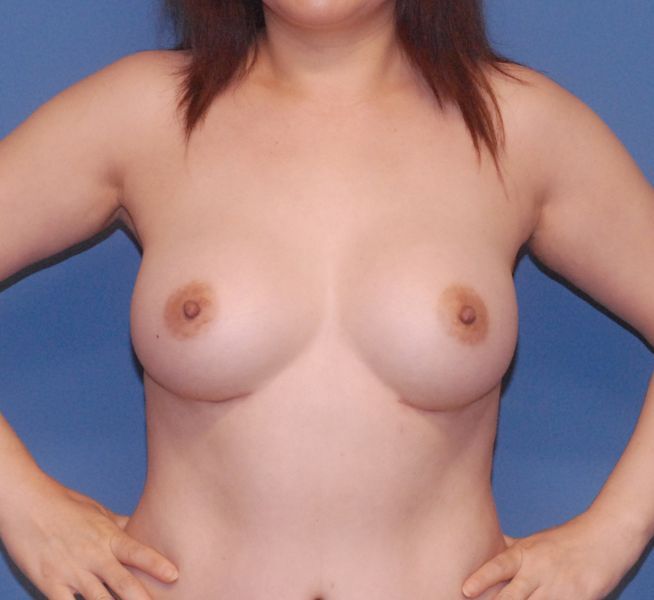
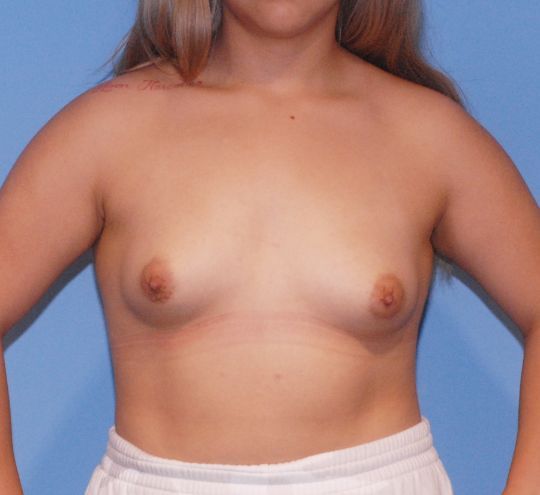
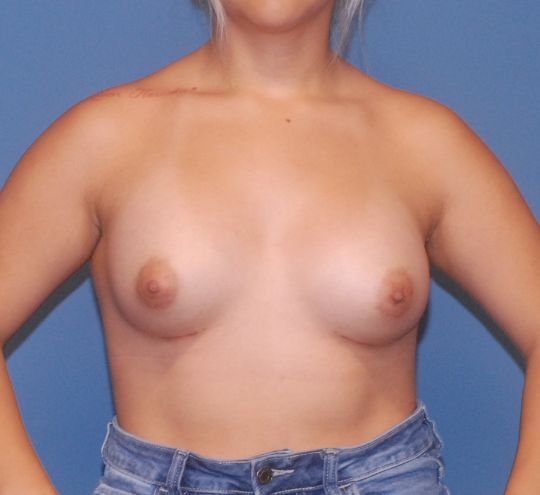
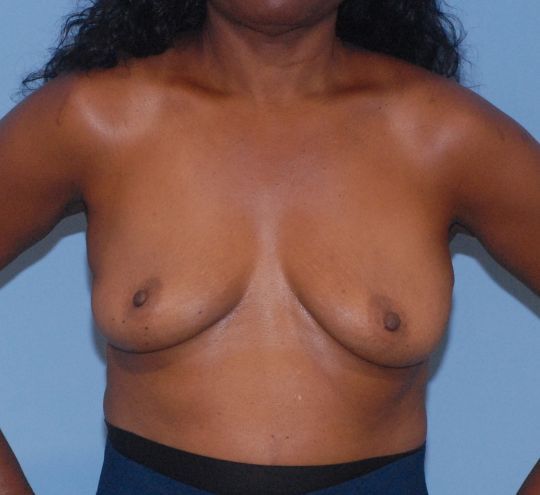
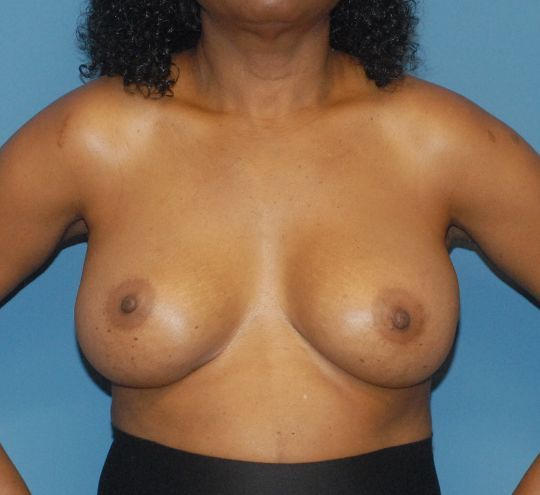
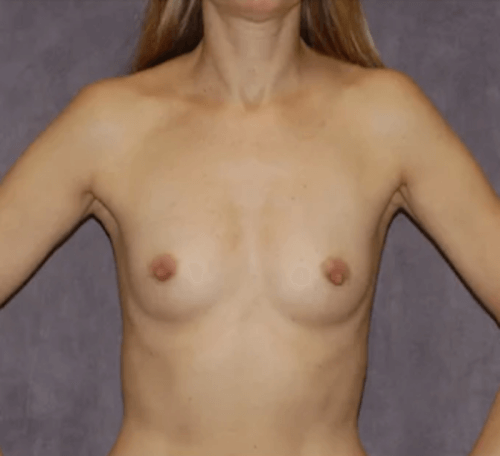
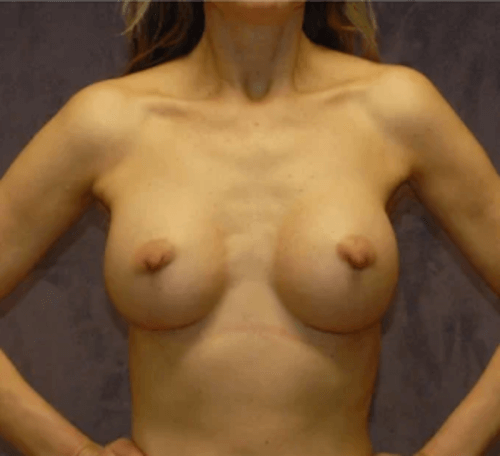
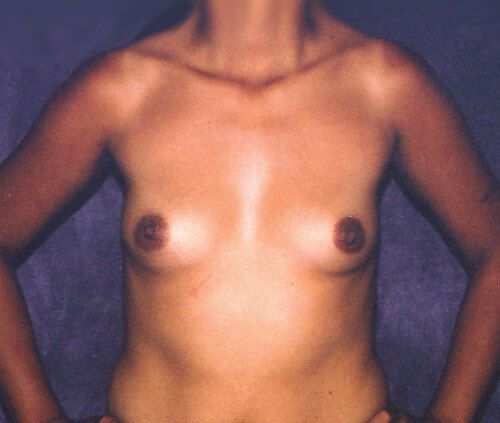
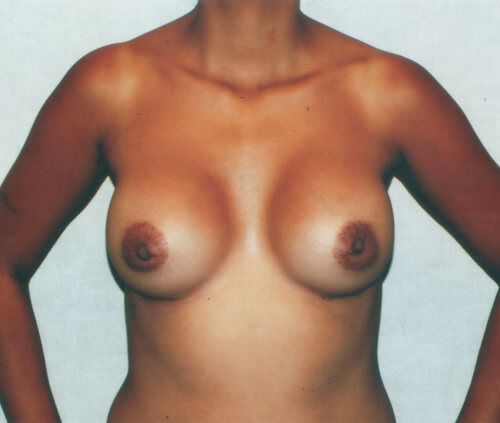
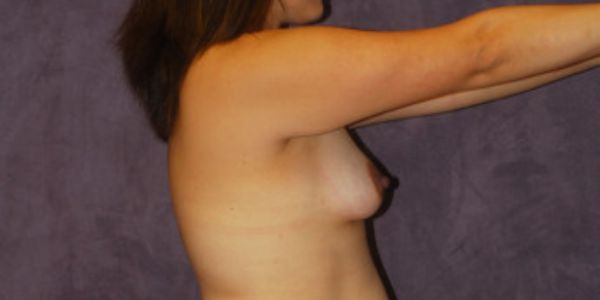
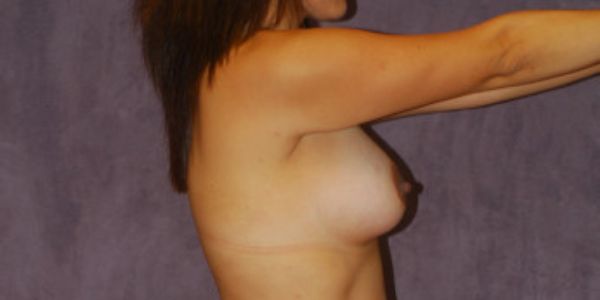
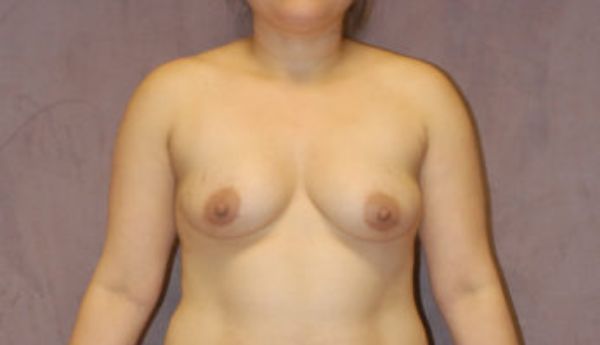
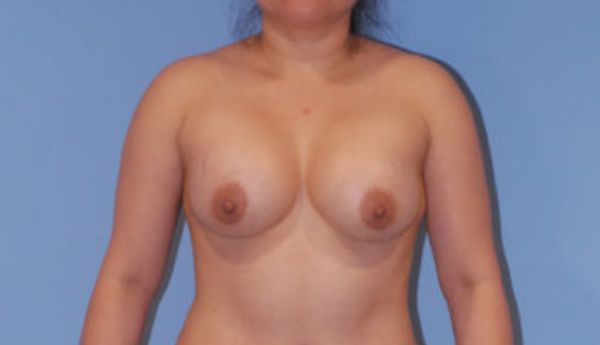
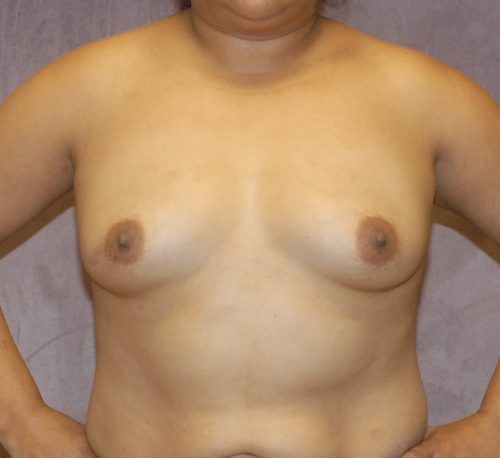
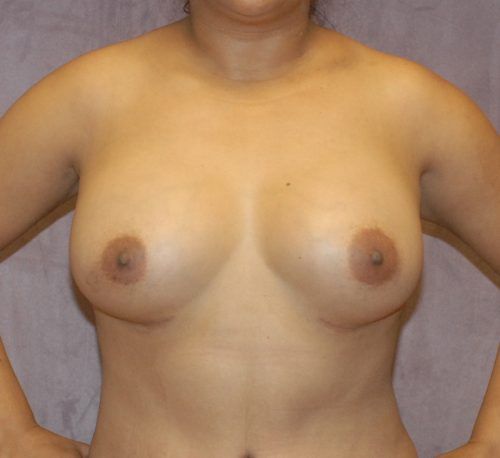
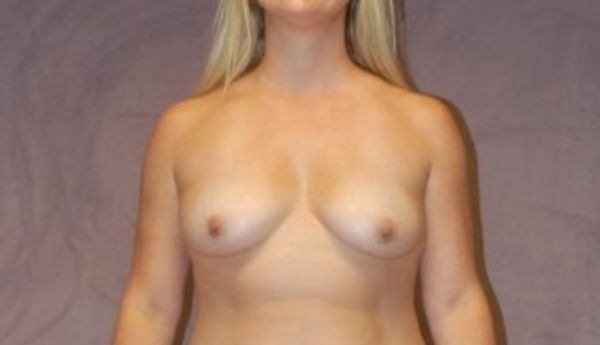
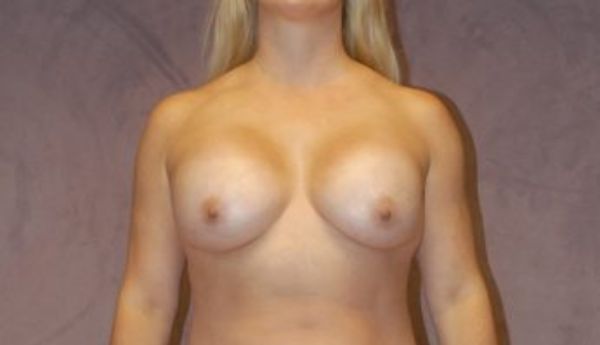
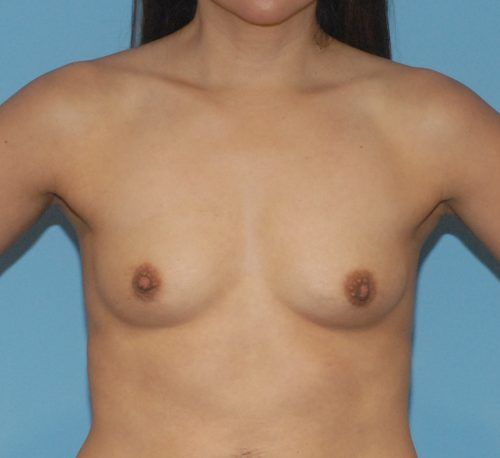
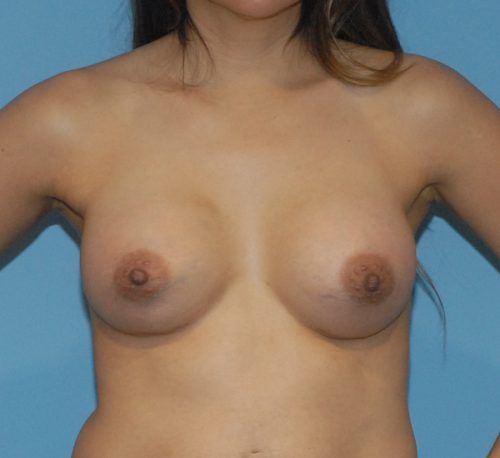
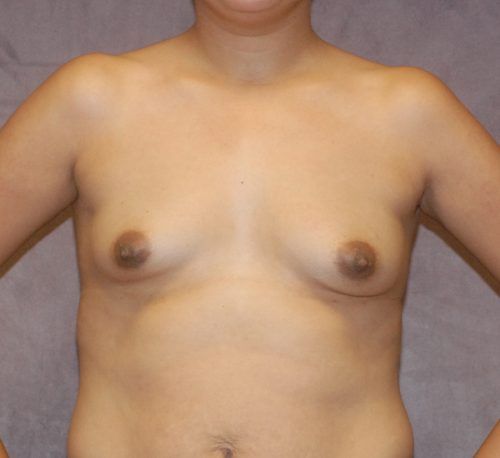
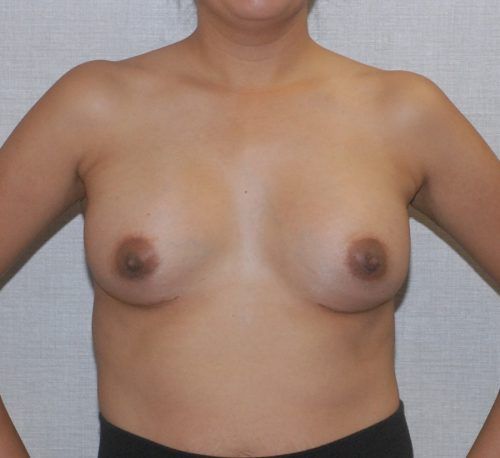
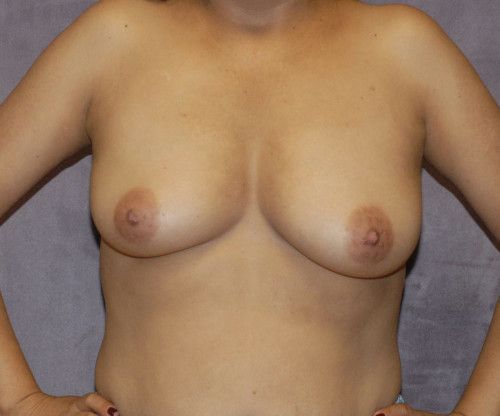
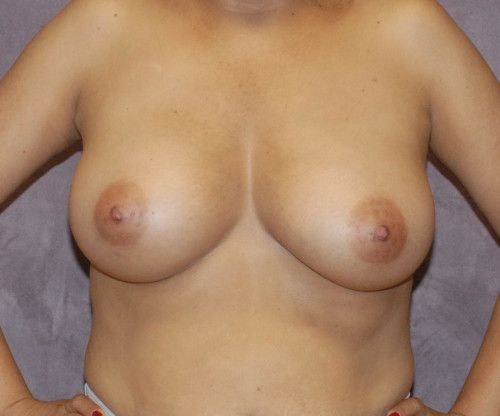
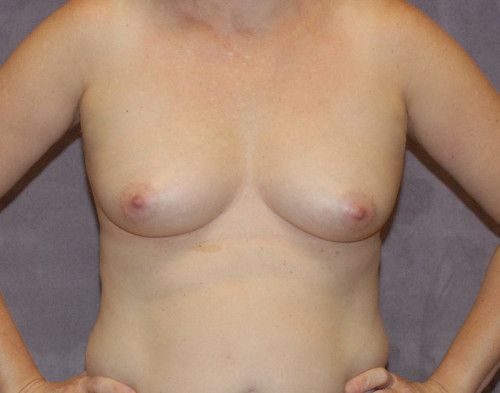
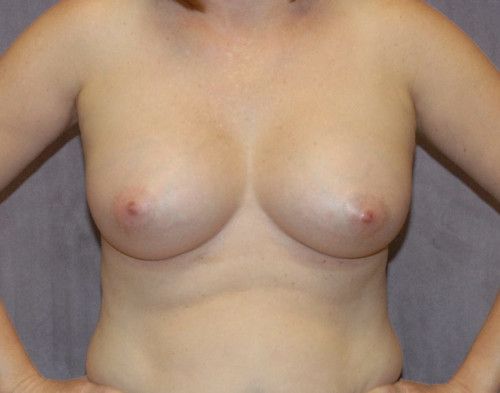
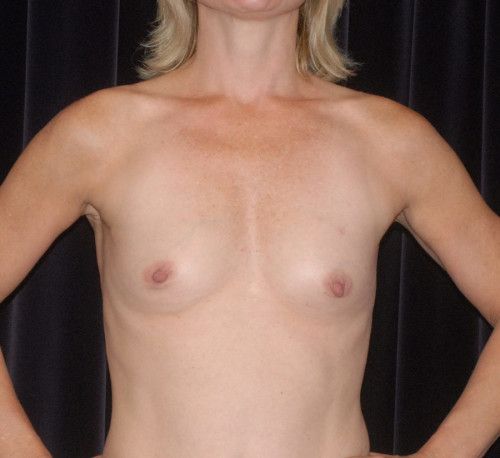
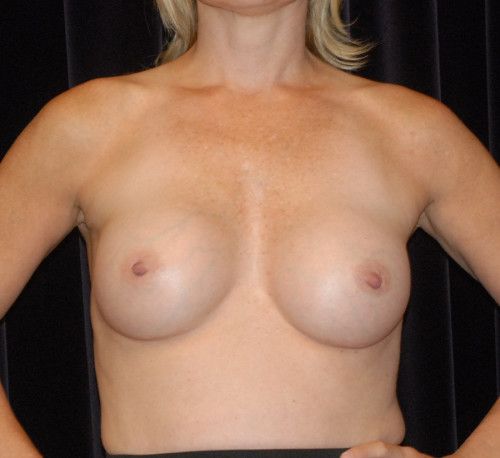
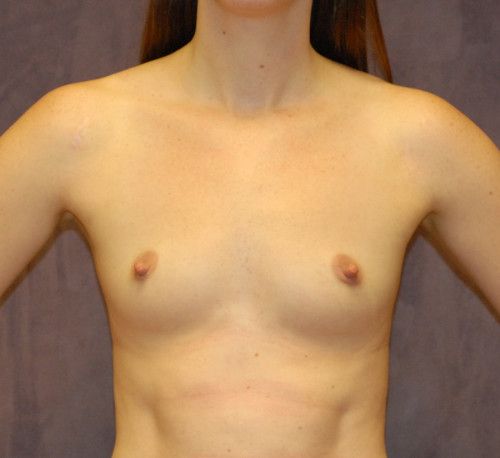
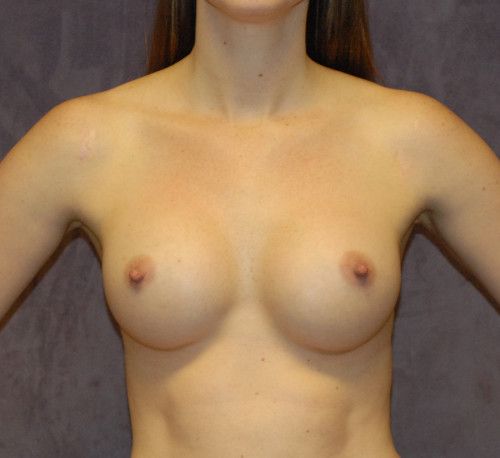
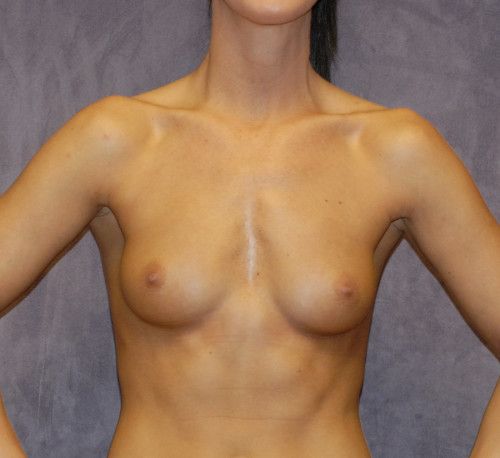
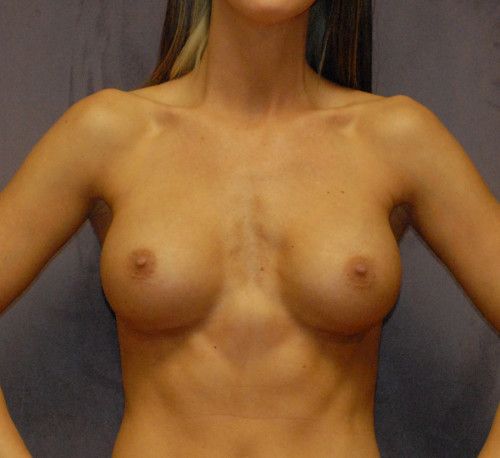
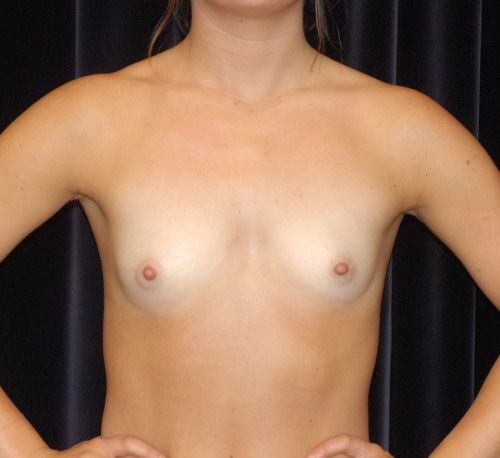
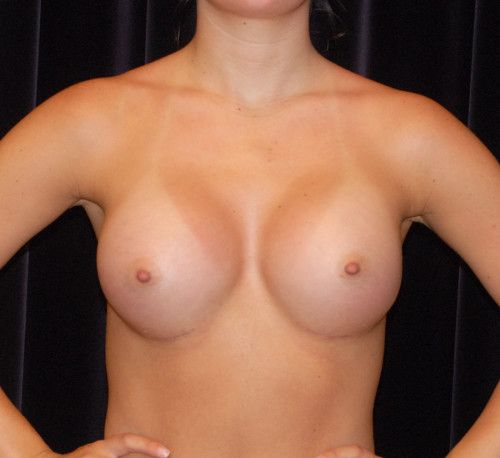
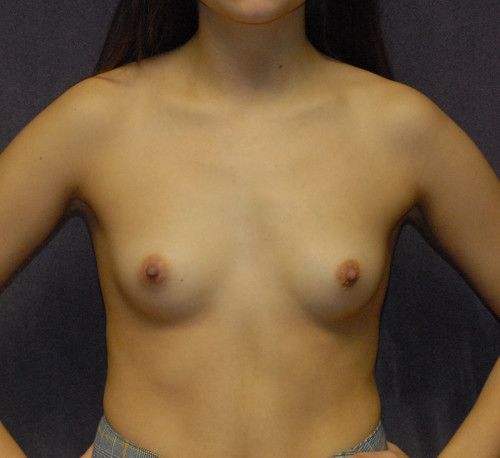
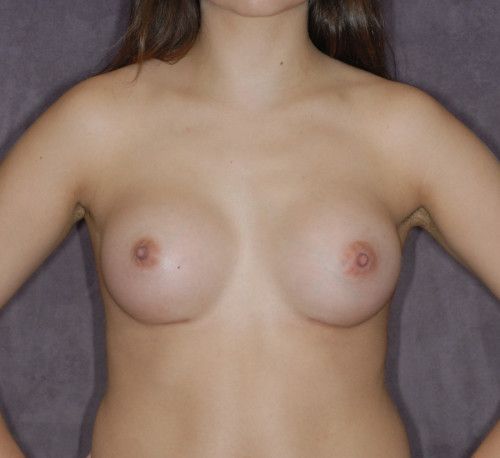
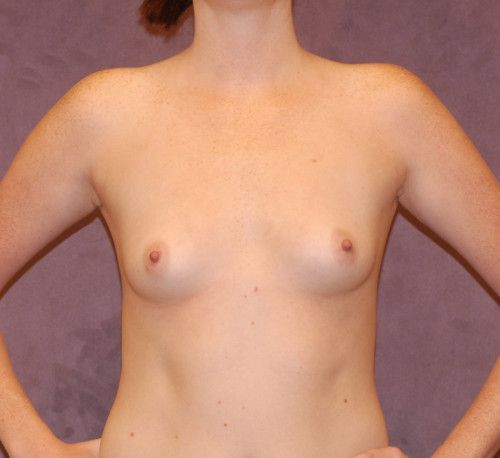
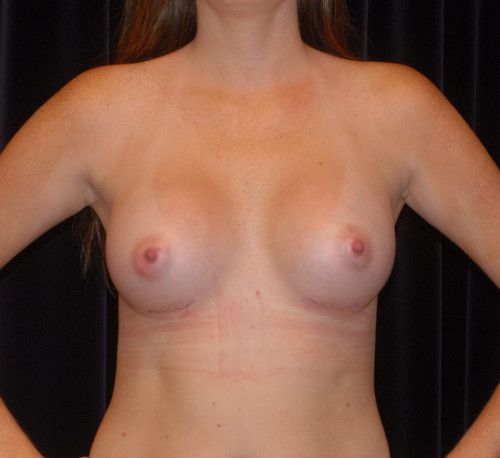
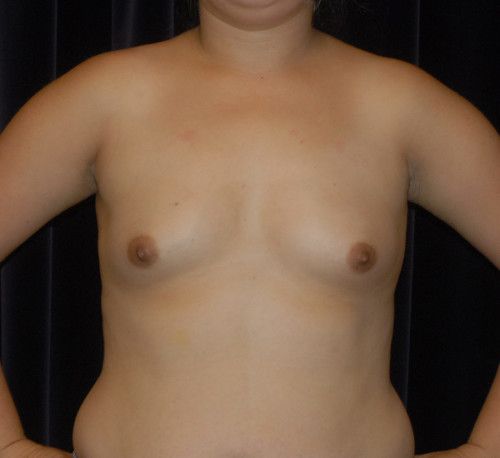
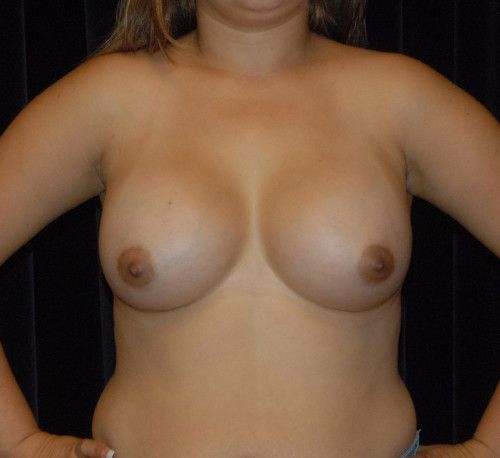
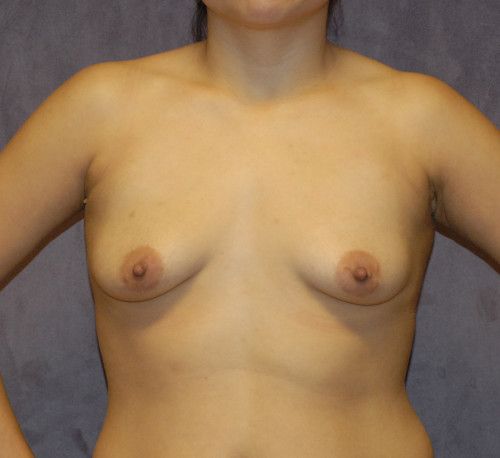
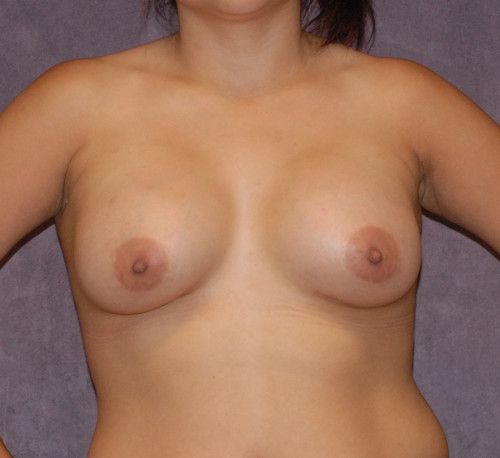
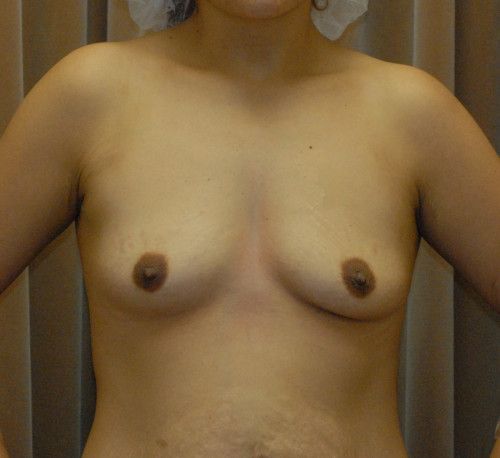
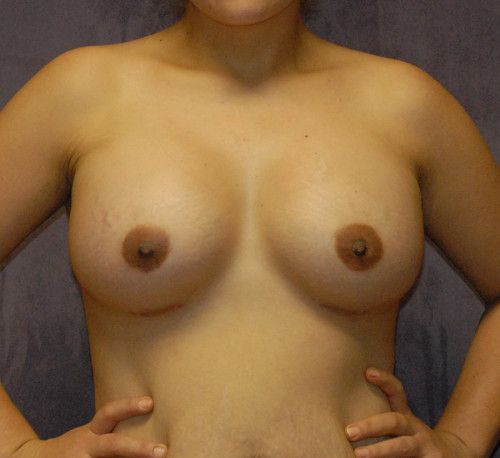
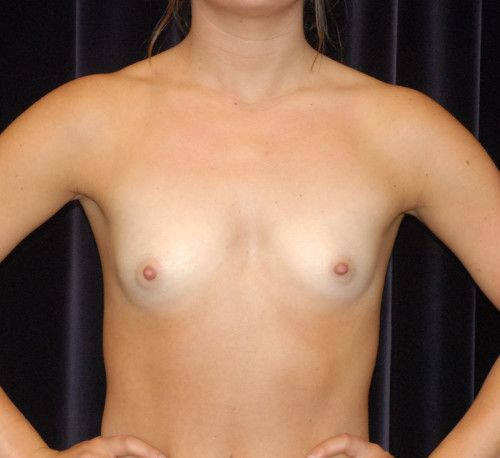
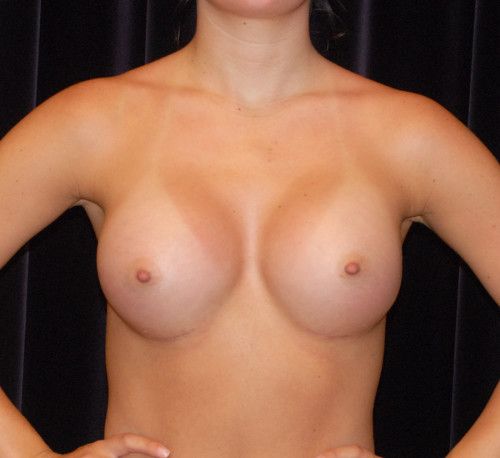
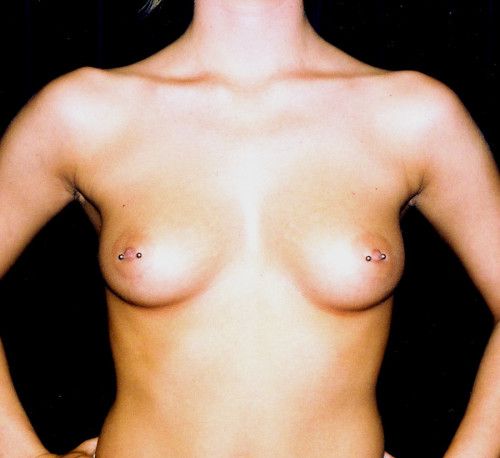
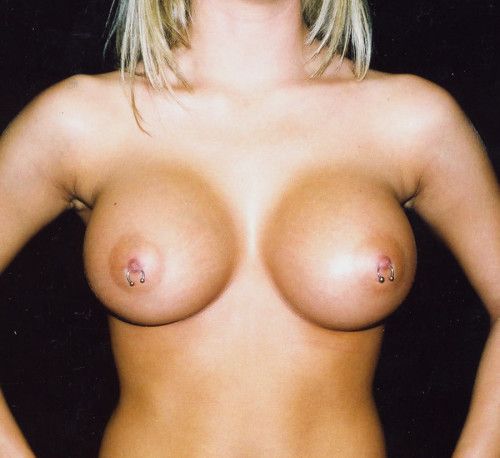
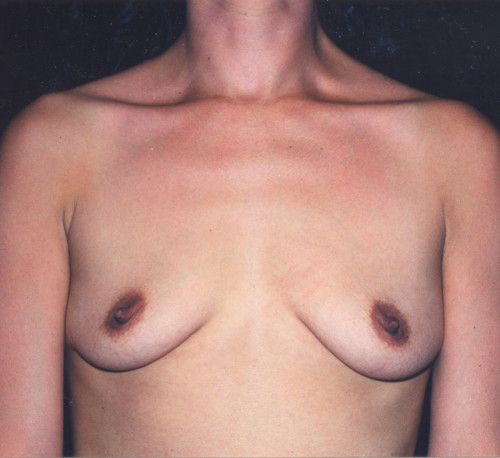
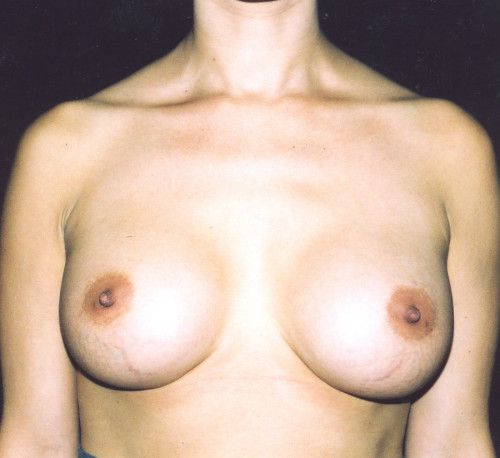
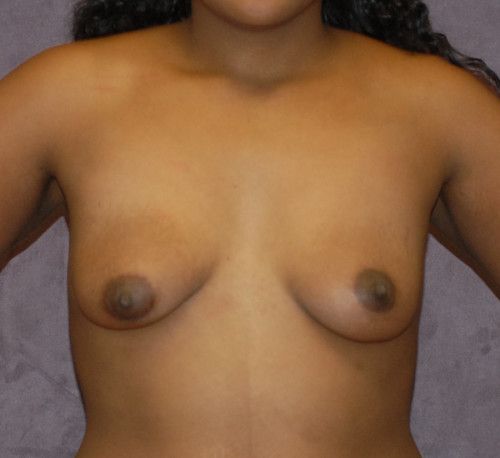
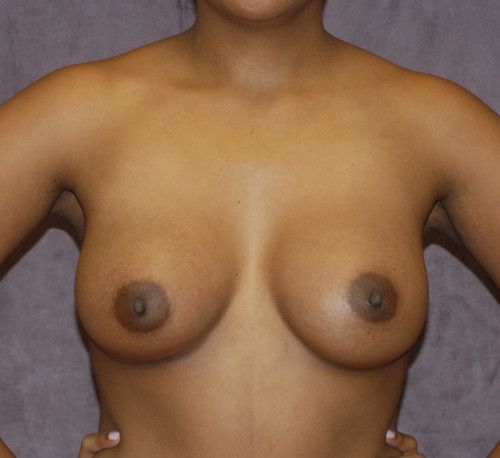
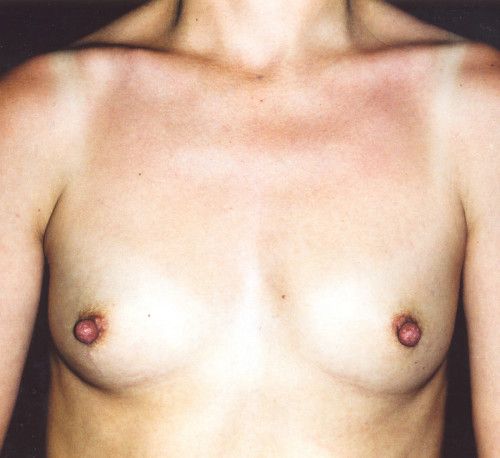
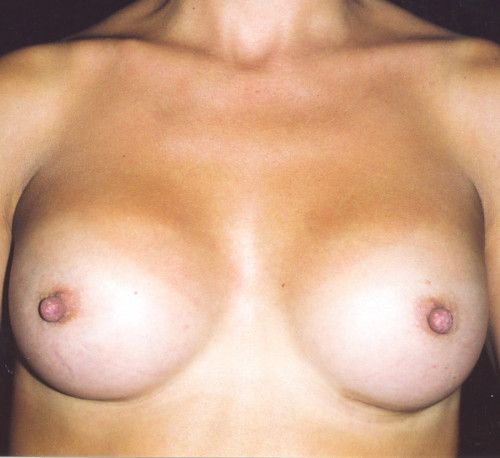
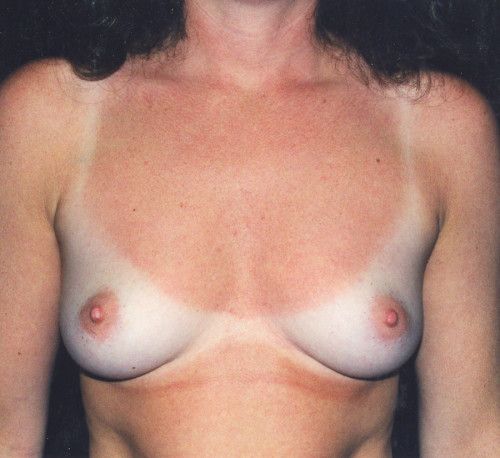
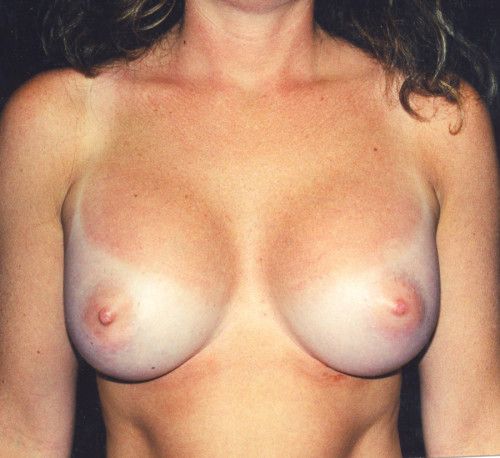
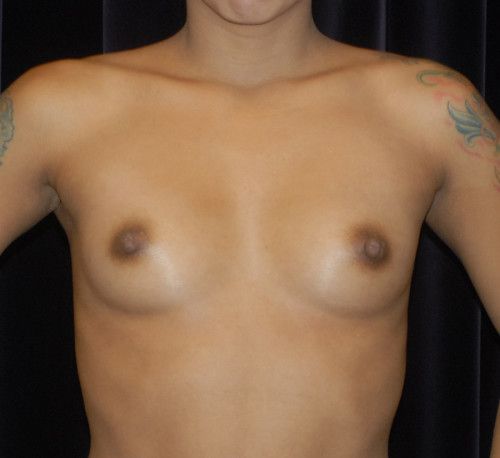
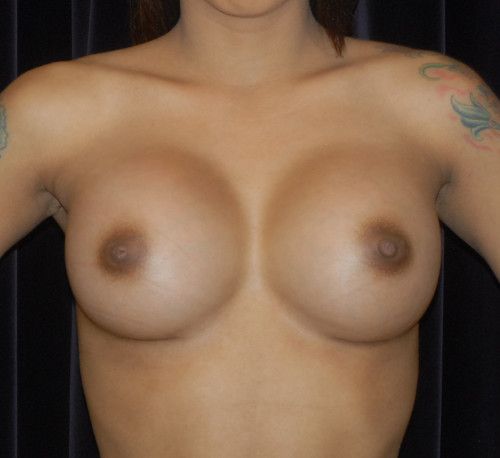
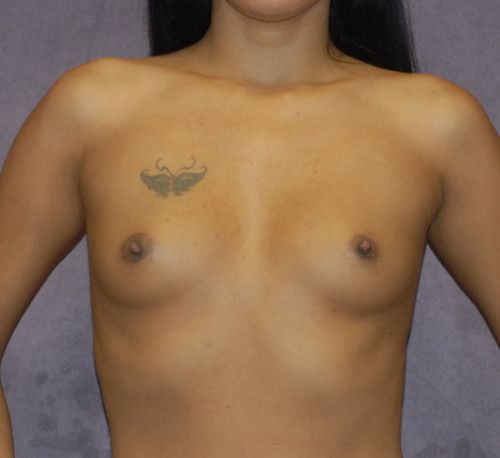
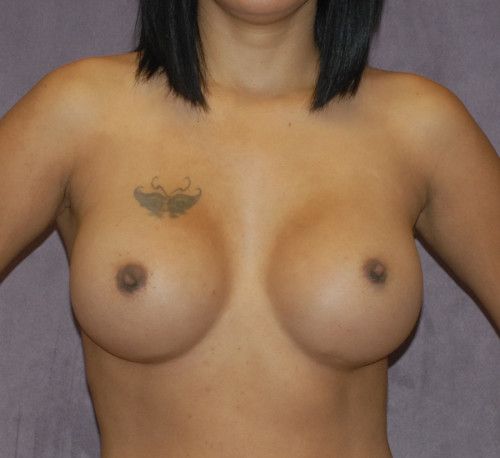
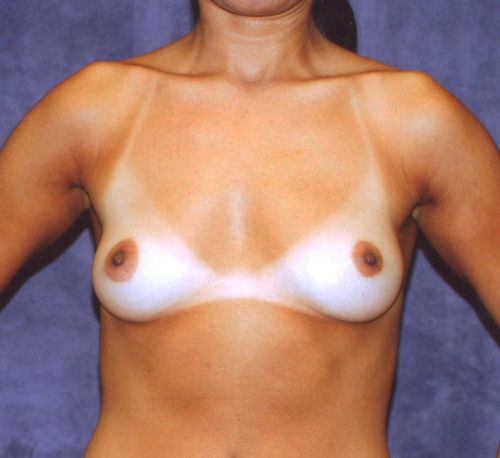
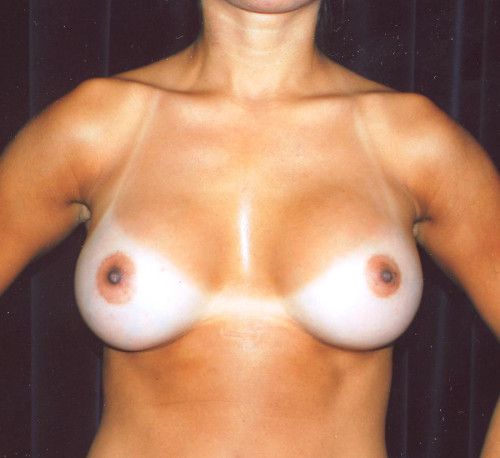
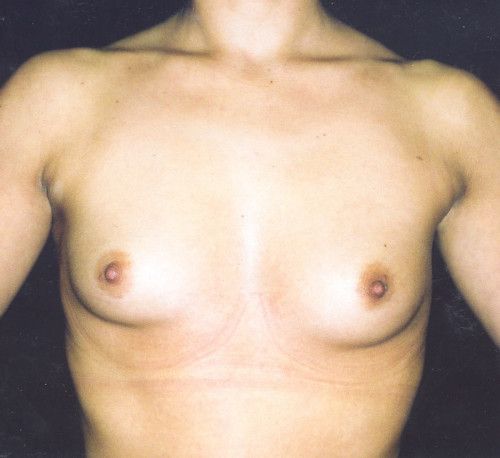
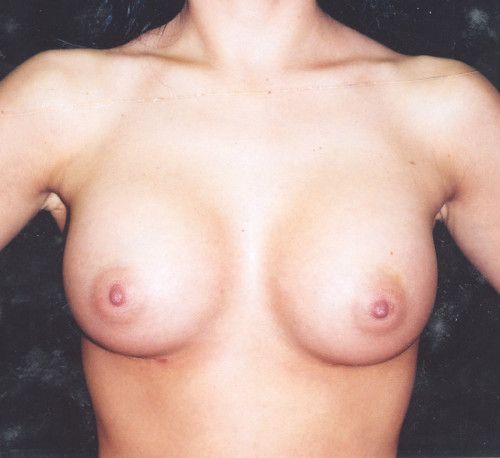
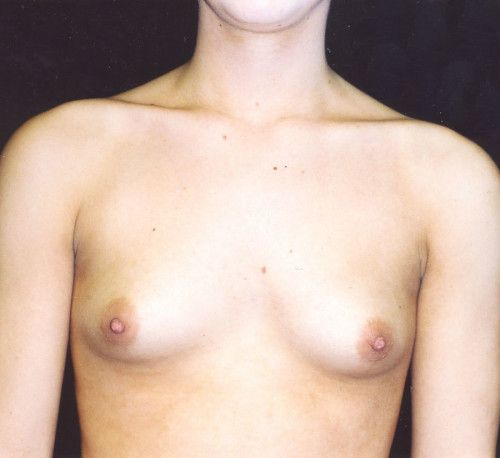
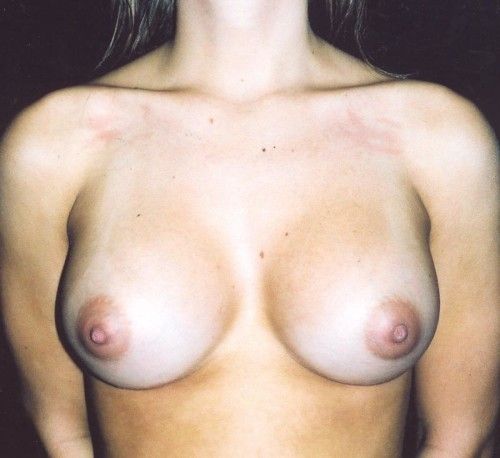
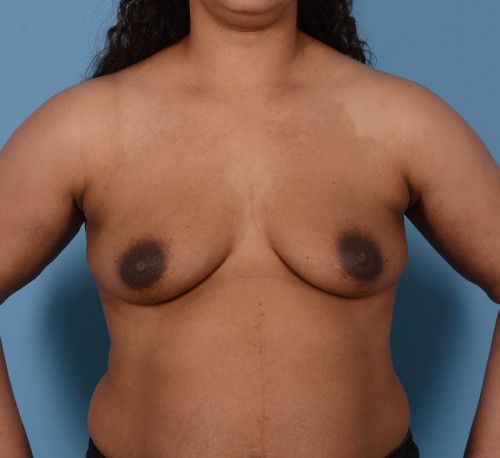
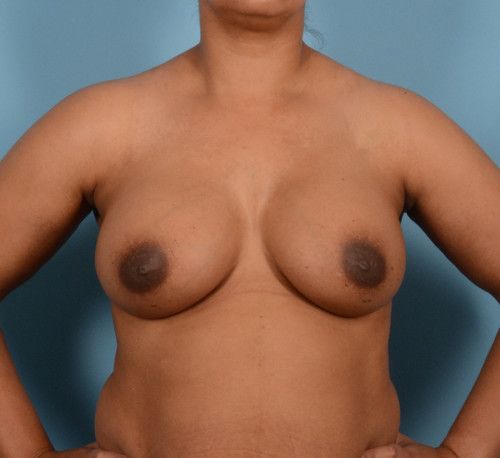
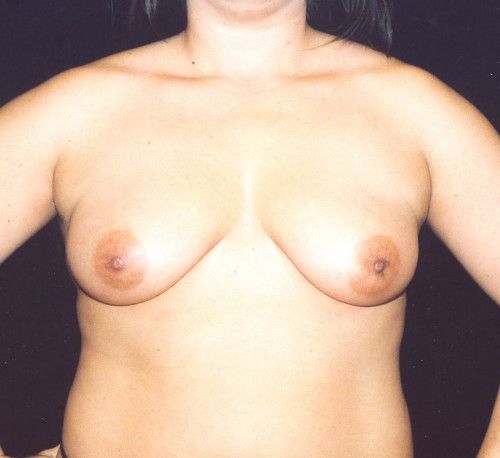
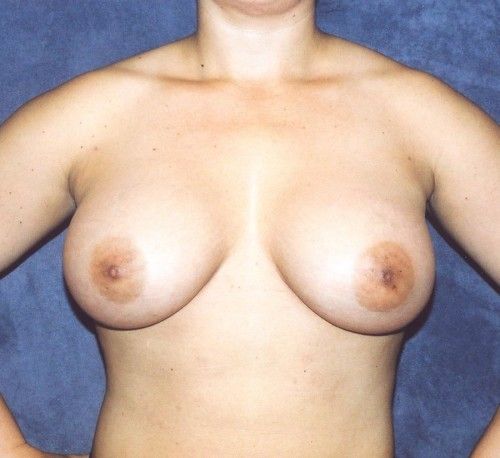
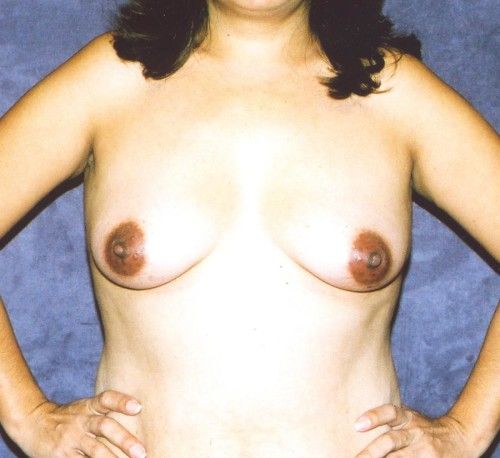
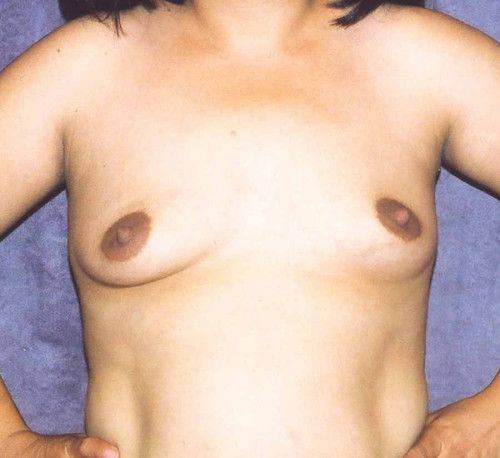
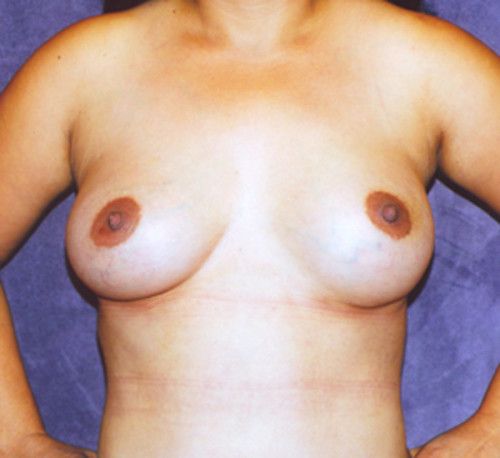
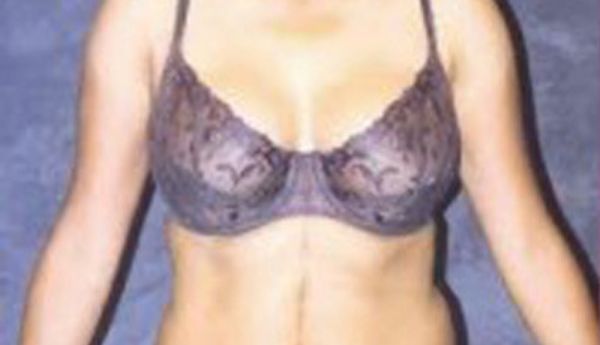
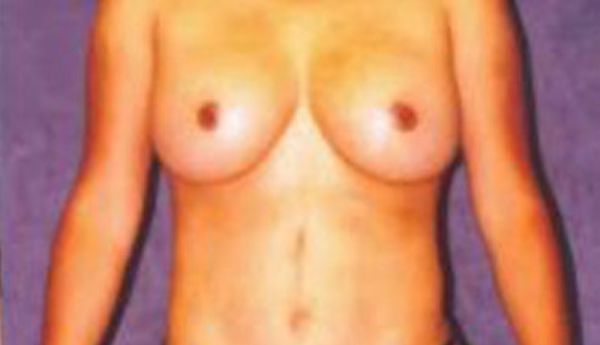
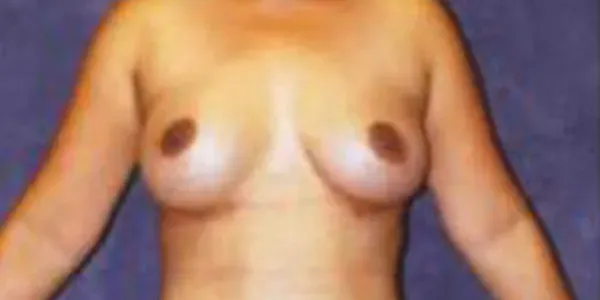
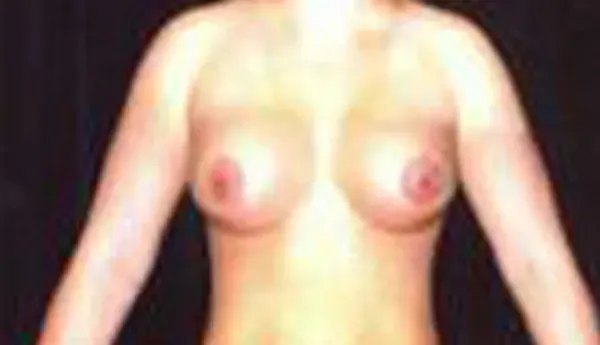
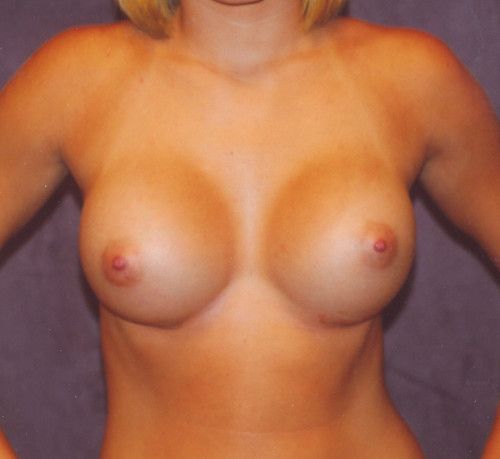
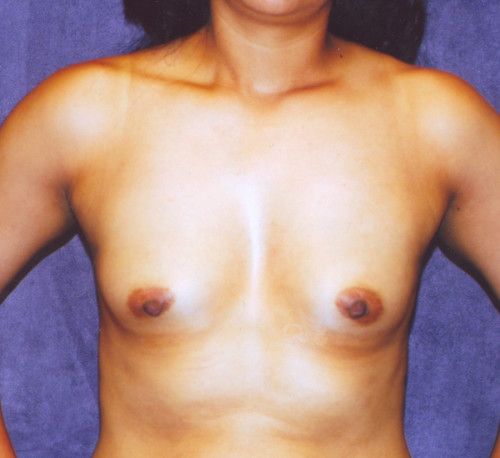
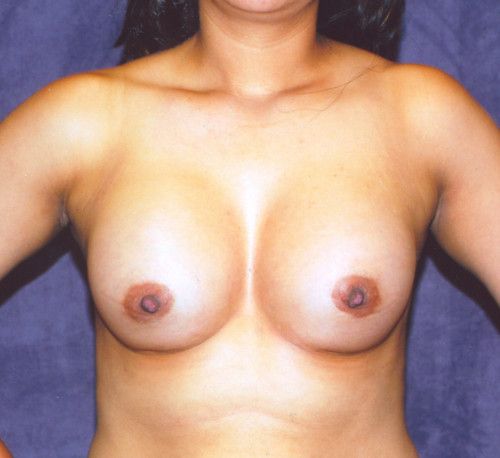
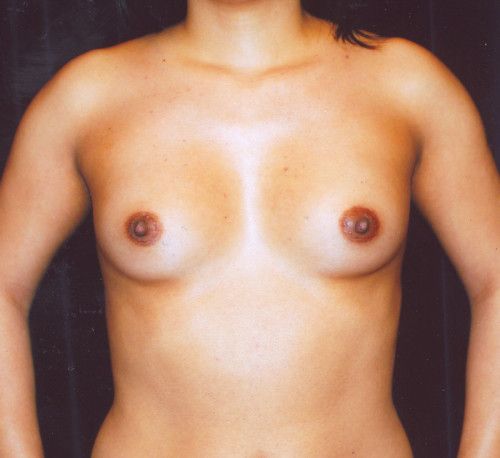
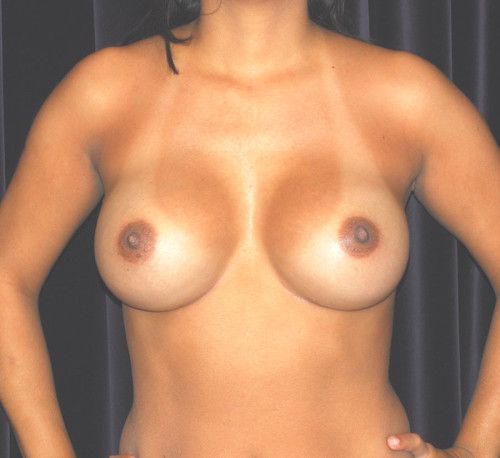
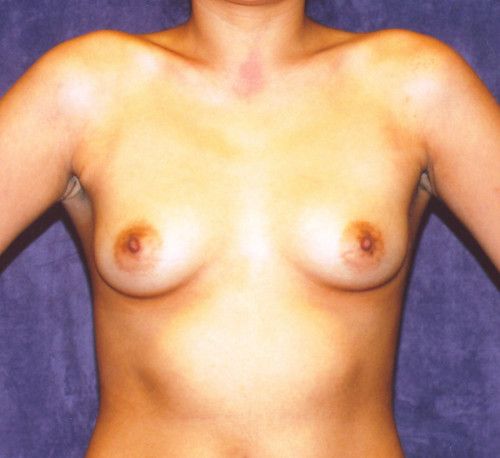
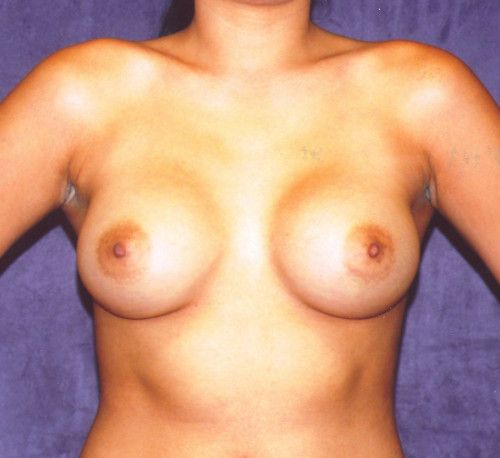
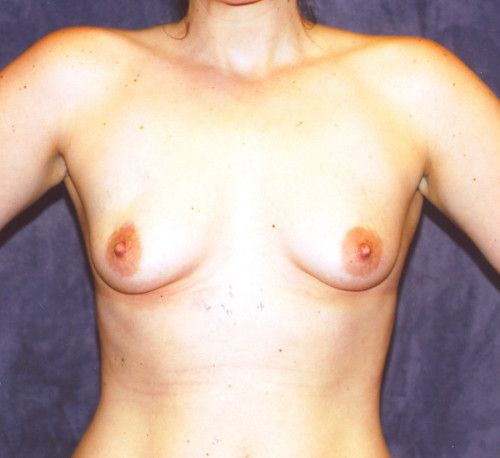
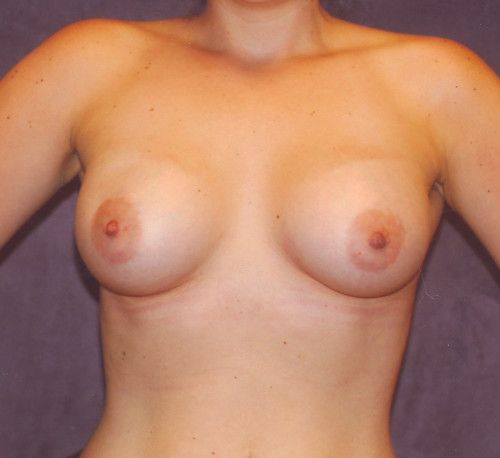
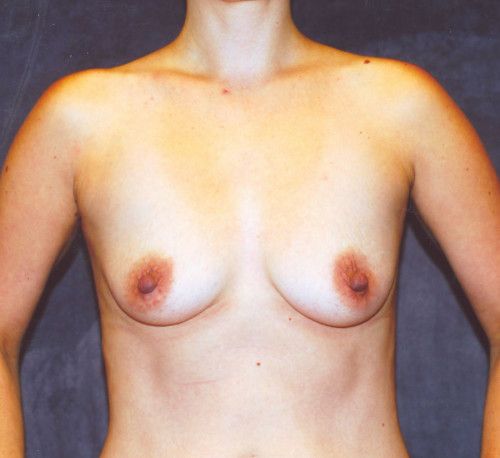
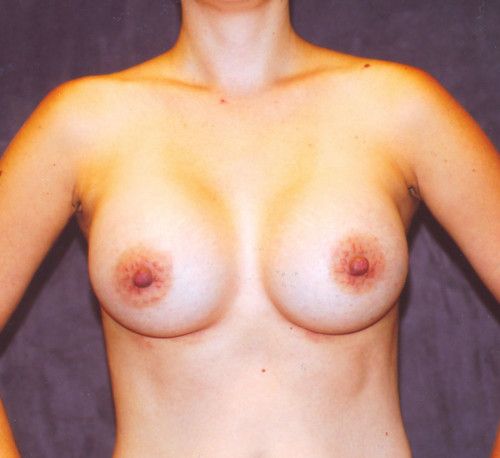
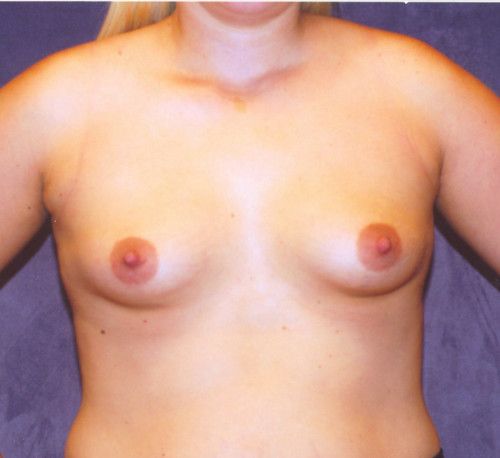
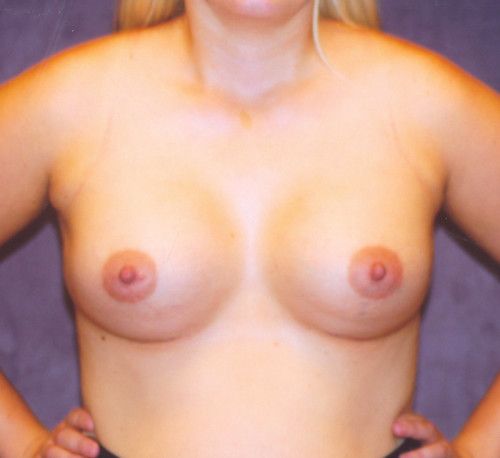
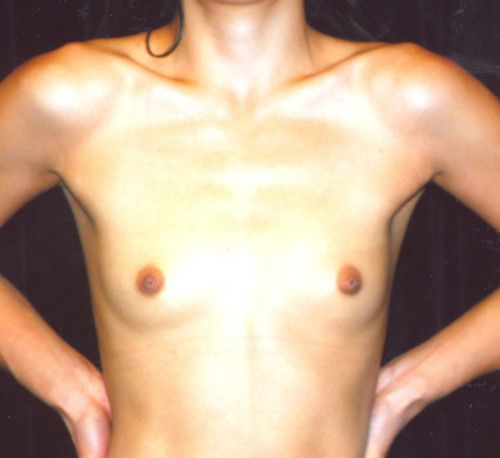
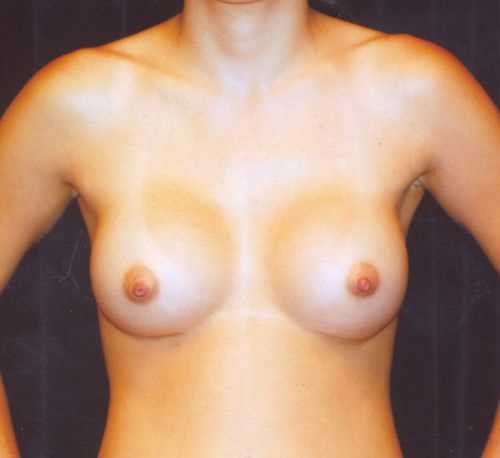
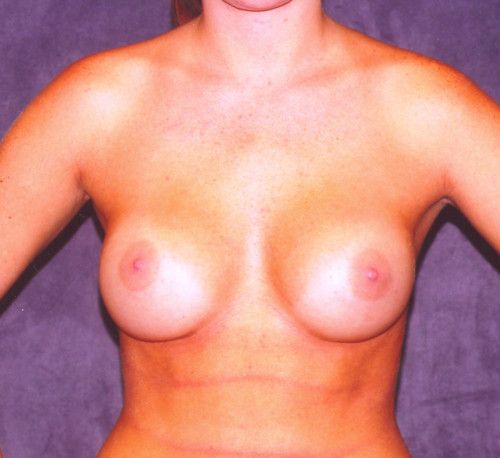
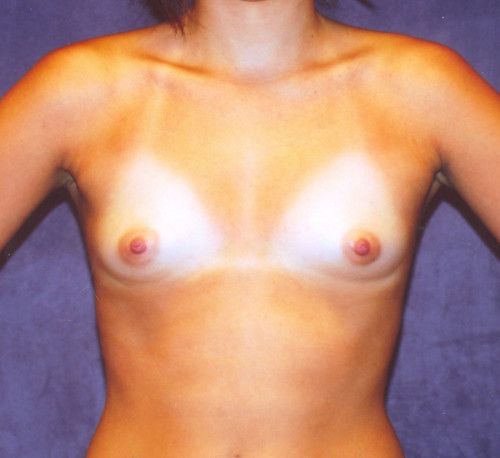
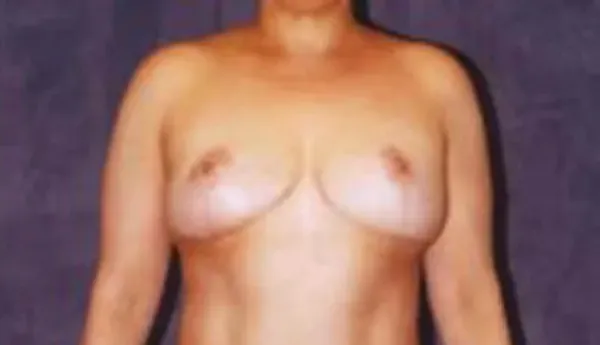
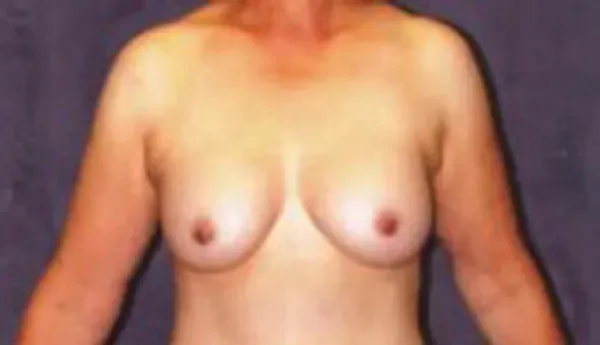
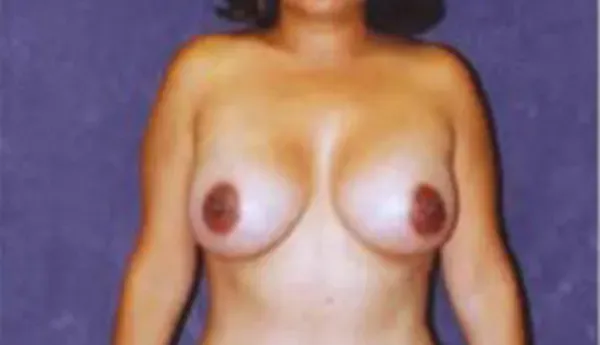
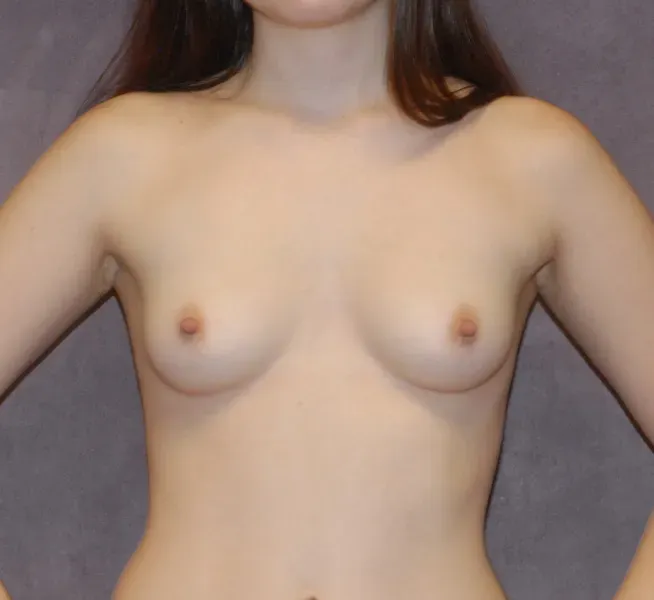
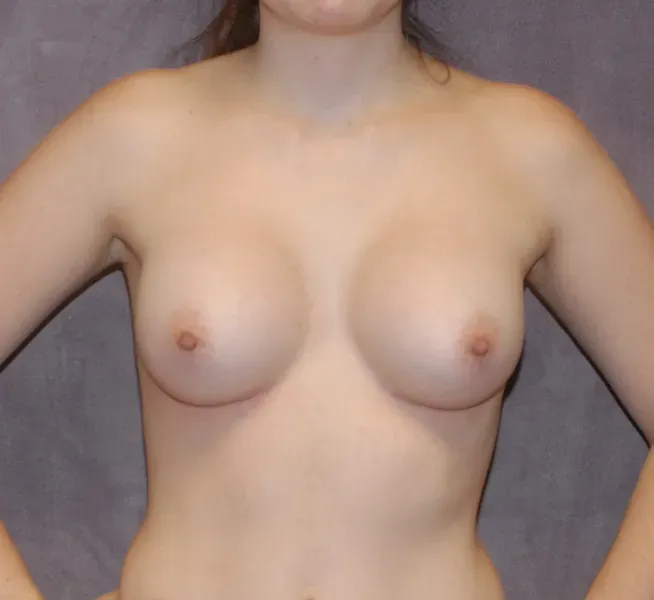
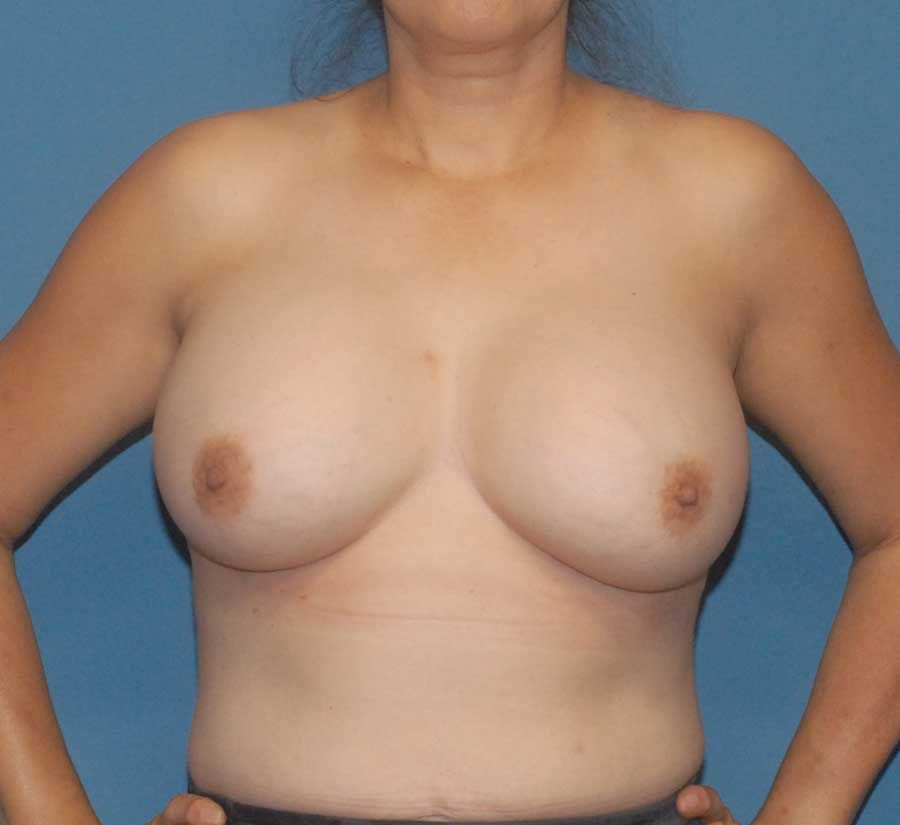
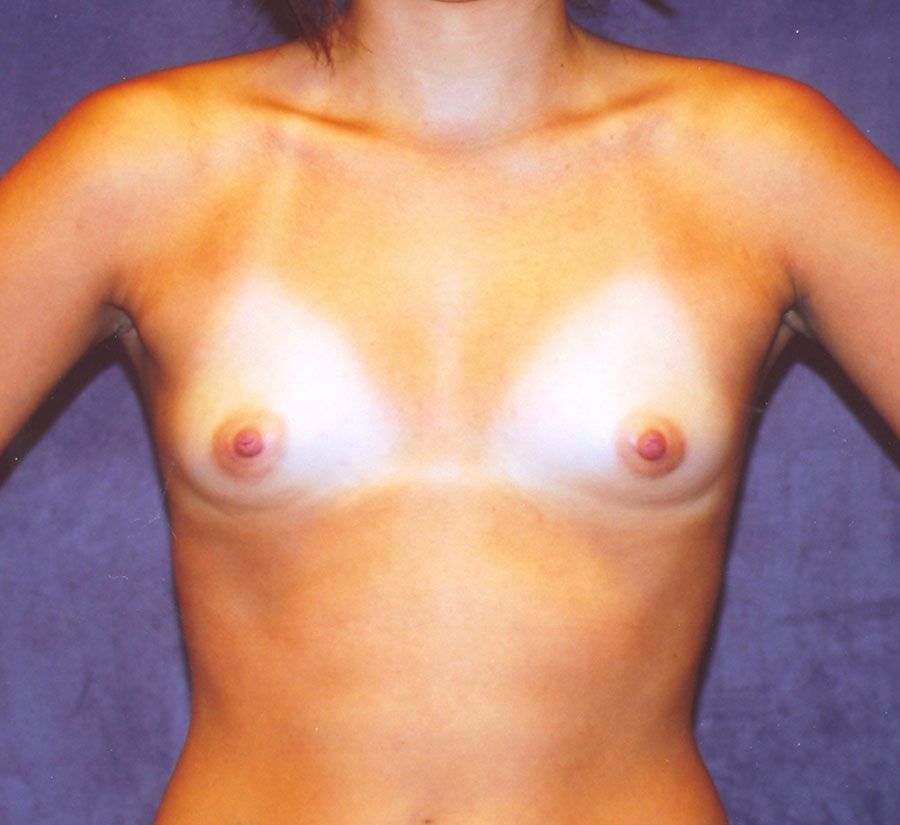
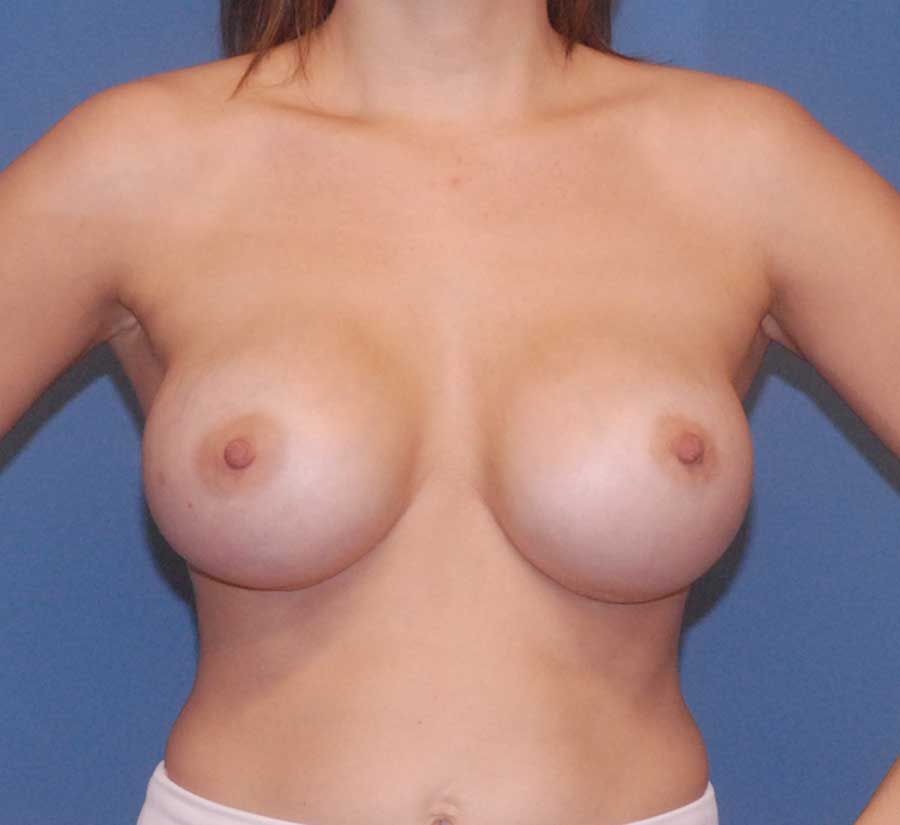
Breast augmentation, also known as augmentation mammoplasty or breast enlargement surgery, increases breast volume using implants or fat transfer. It can enlarge smaller breasts, improve asymmetry, or restore volume lost due to pregnancy, aging, or weight changes.
Implant-based surgery uses saline or silicone implants placed above or below the chest muscle. Fat transfer breast augmentation uses liposuctioned fat, which is processed and injected into the breasts. Implant size, position, and technique are chosen based on your tissue and desired results.


Breast augmentation can produce several structural and aesthetic changes:
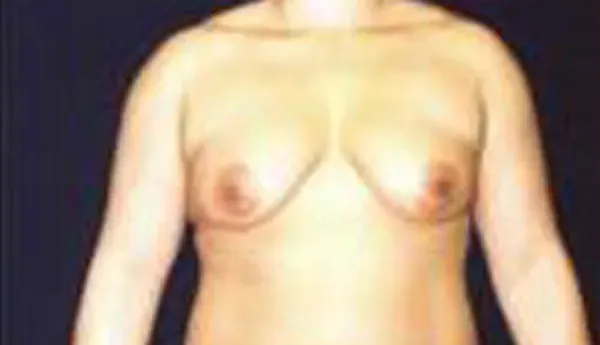
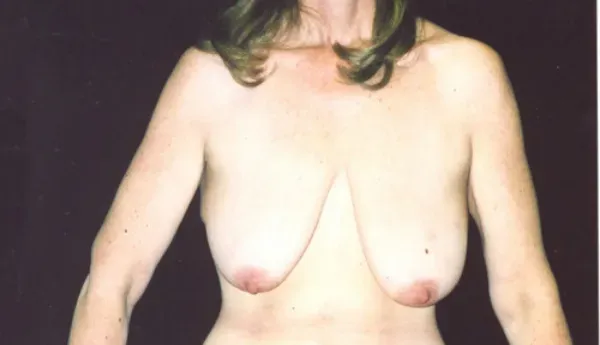
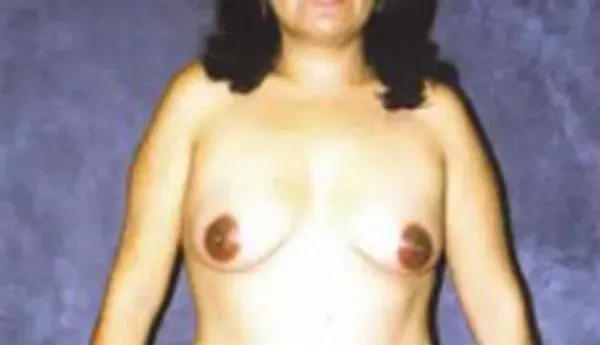
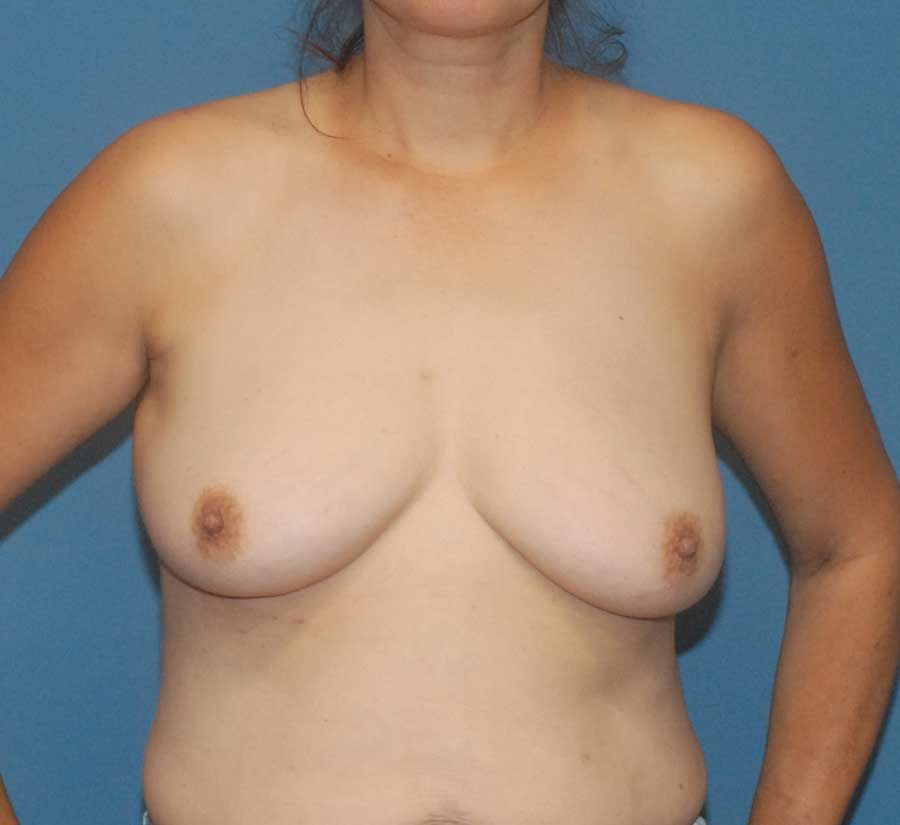
Implants add volume but do not correct substantial excess skin or drooping breasts. A breast lift may be required when the nipple and breast tissue need to be repositioned.

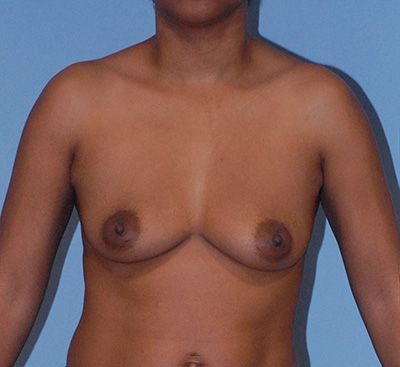
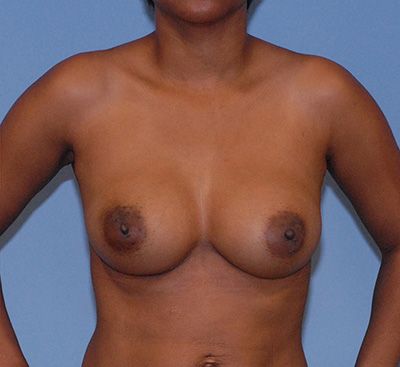
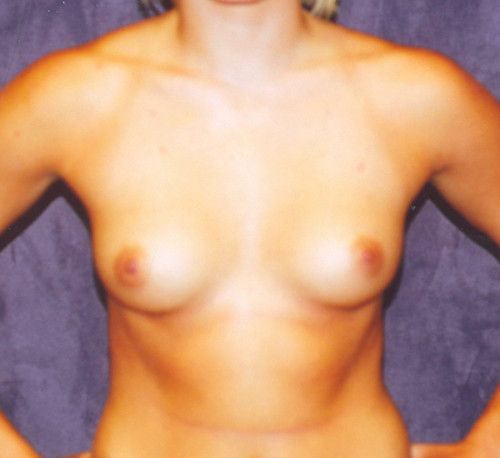
Standard breast augmentation uses implants to increase volume, projection, and fullness. It’s best for patients with good skin support and minimal breast sagging.
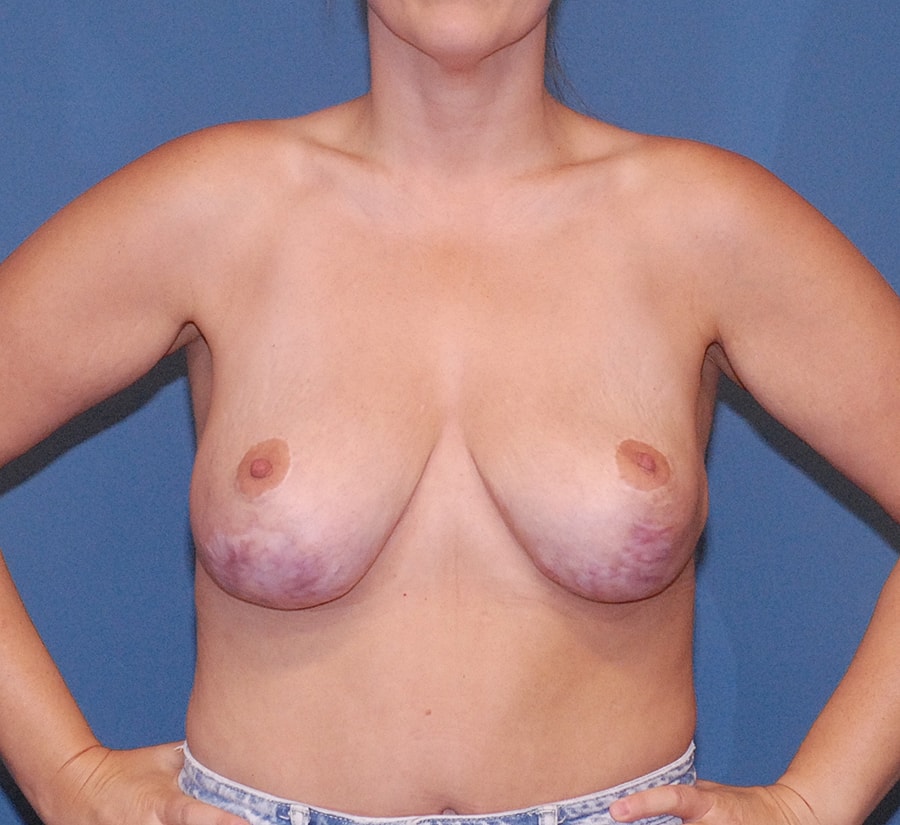
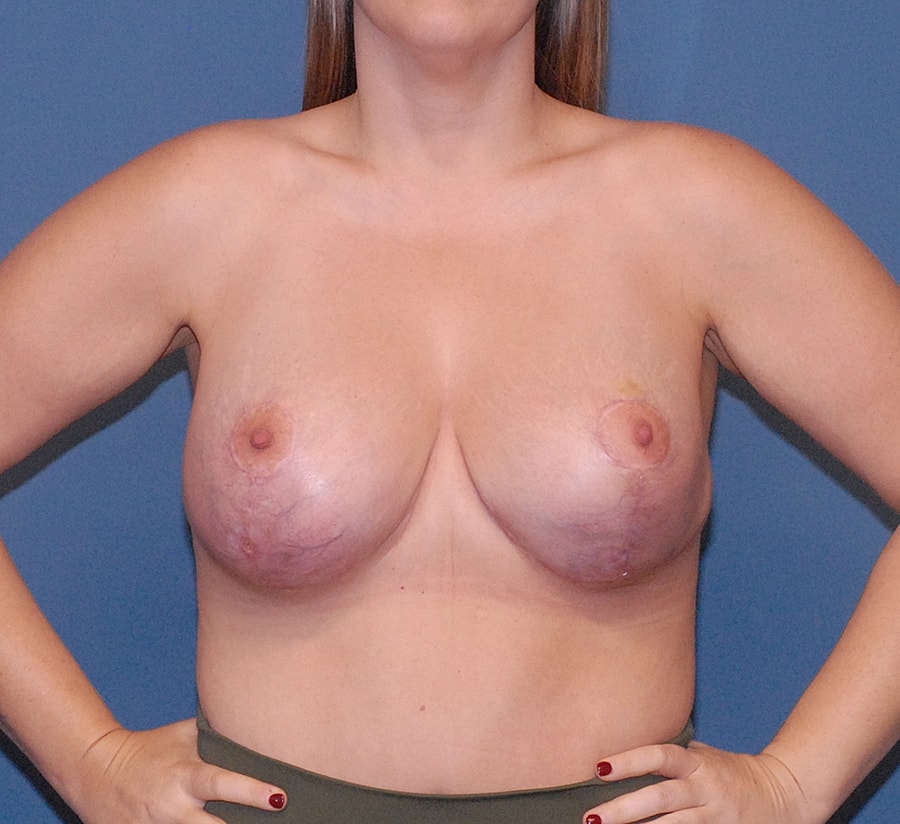
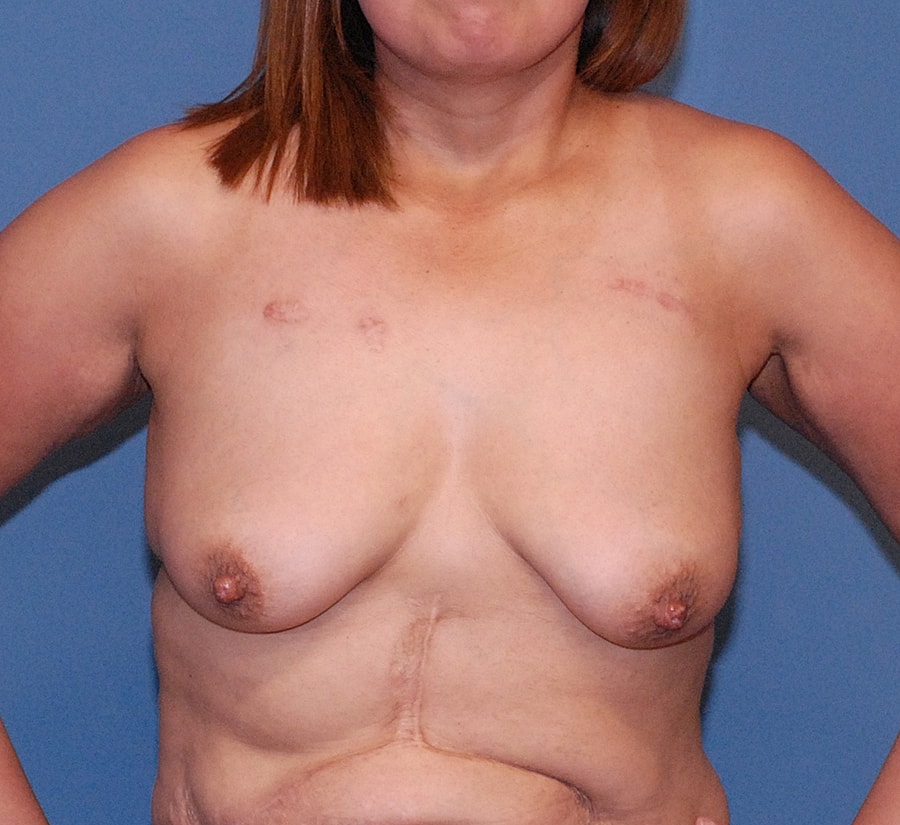
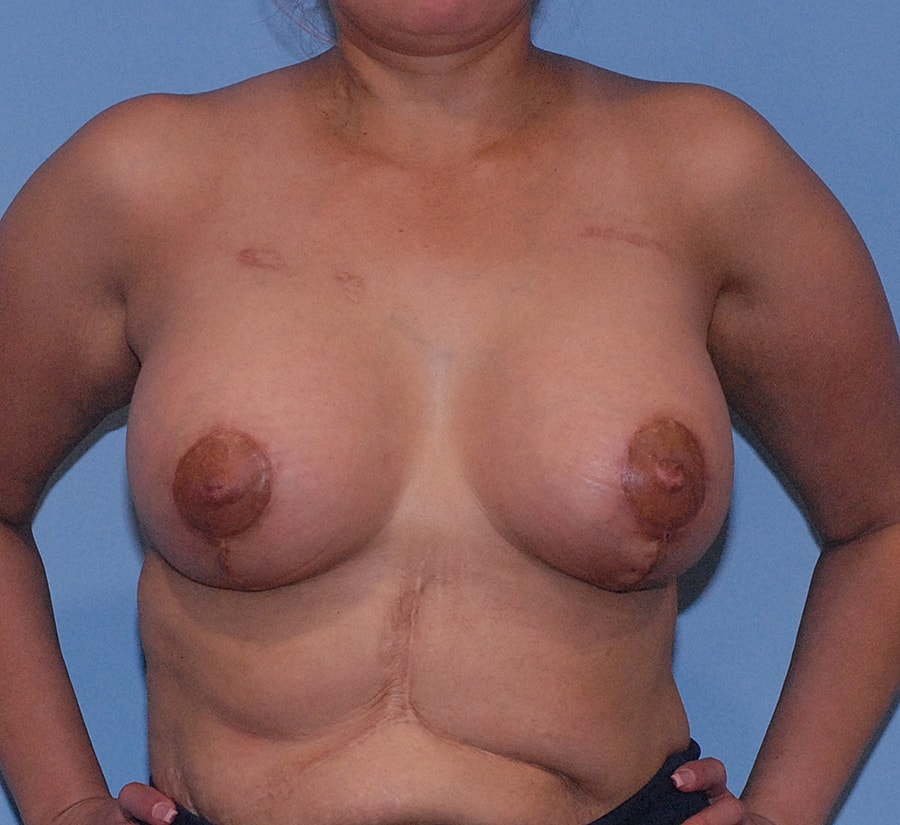
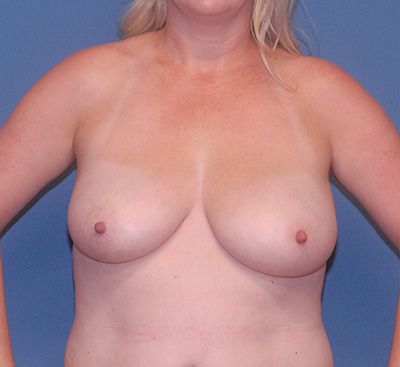
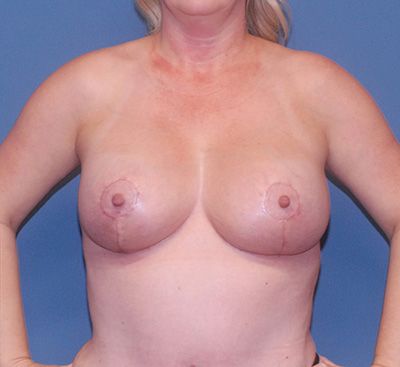
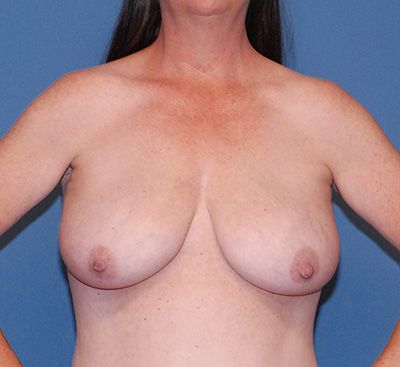
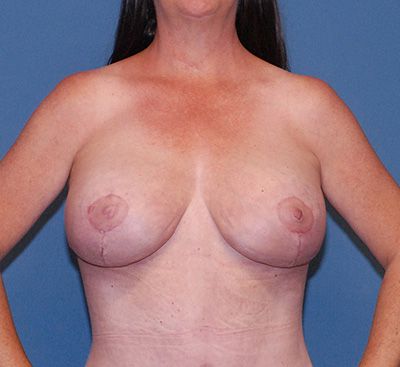
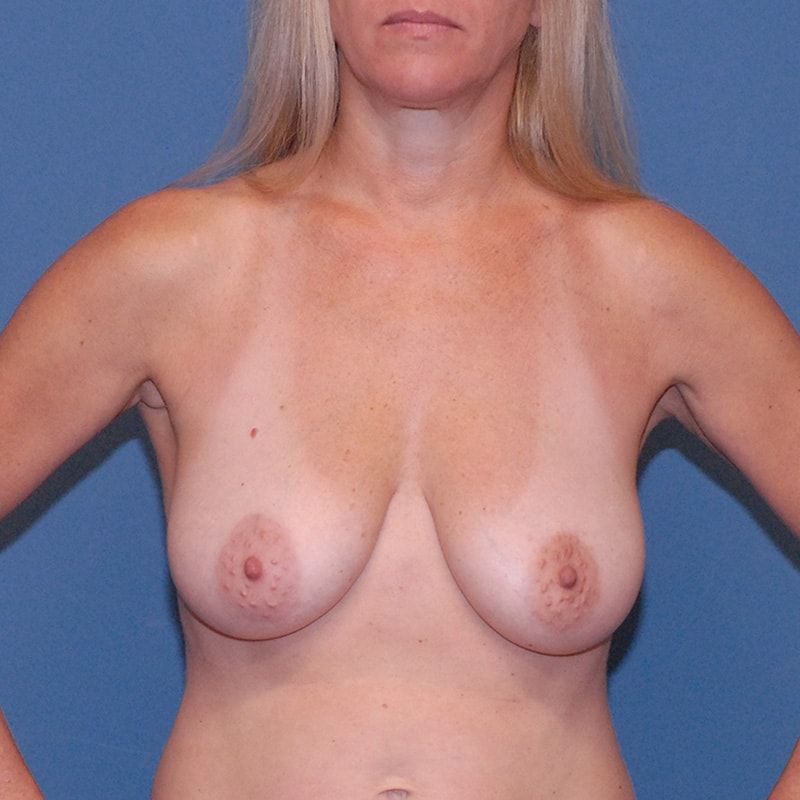
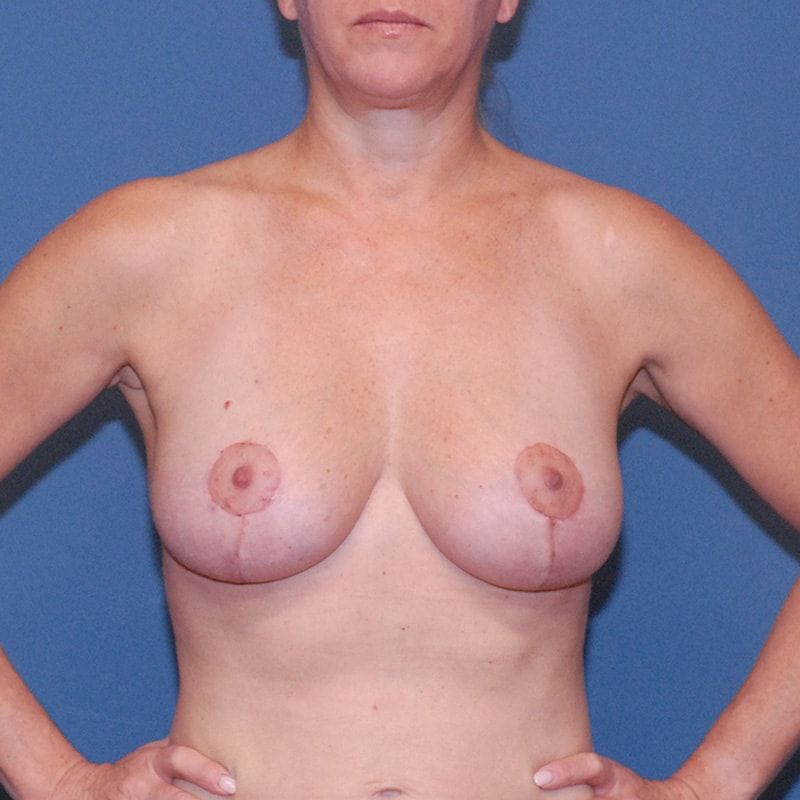
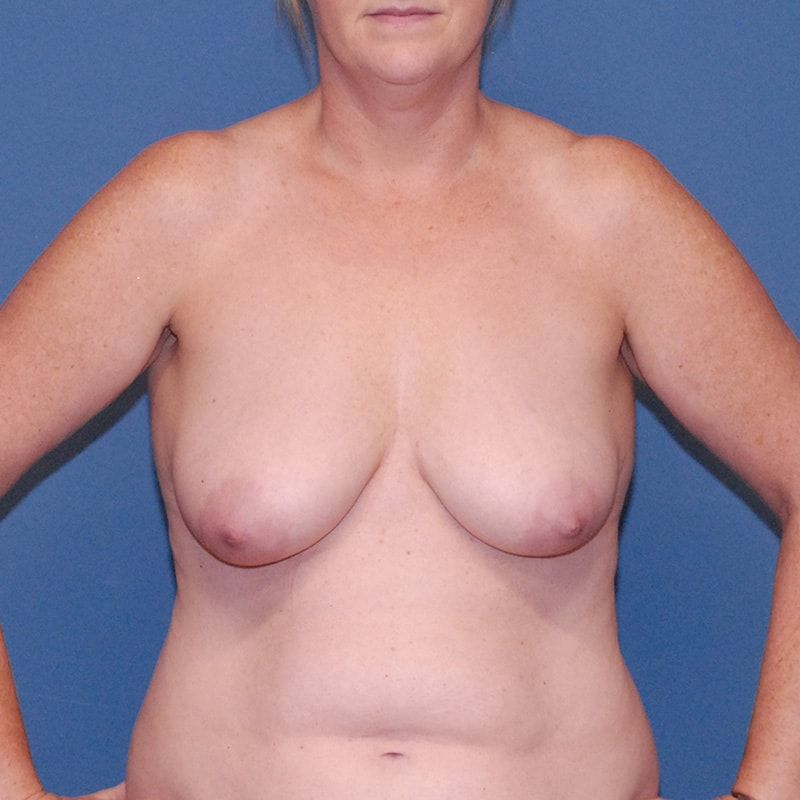
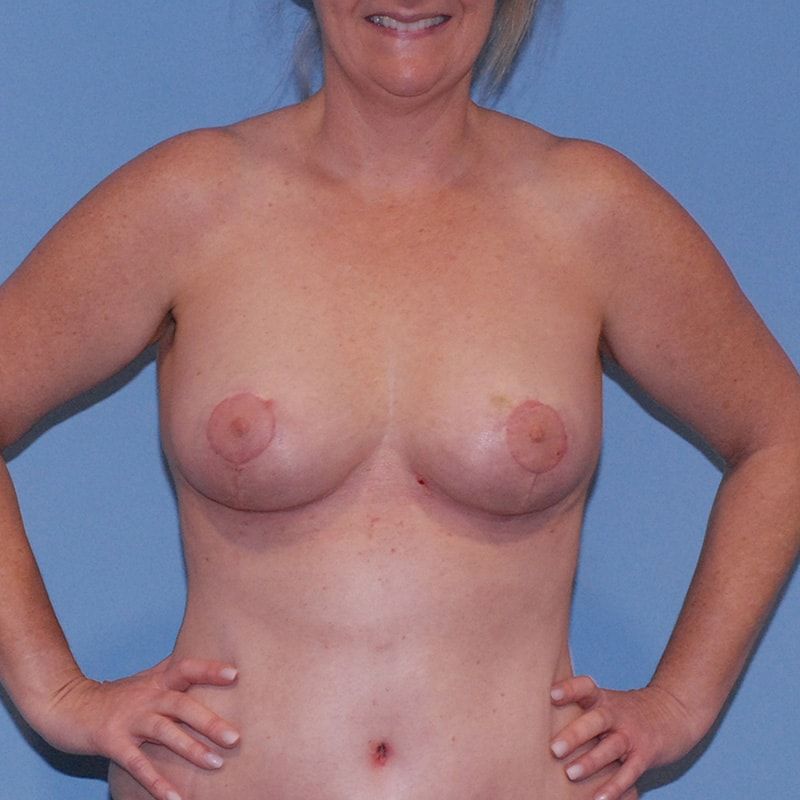
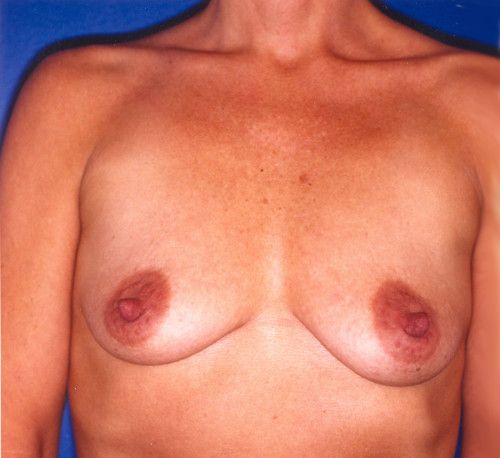
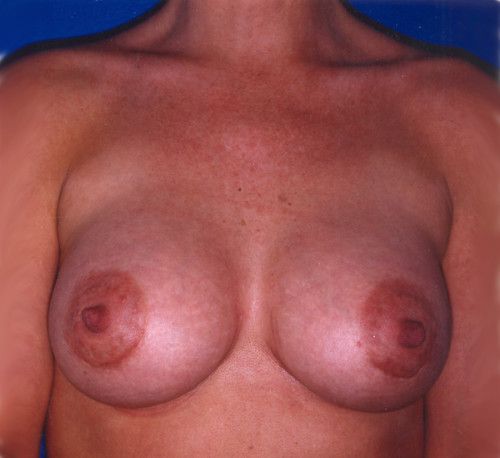
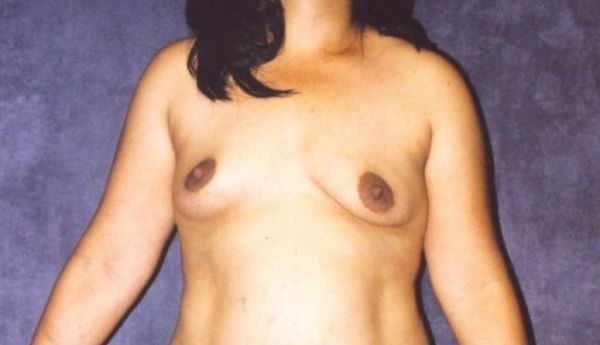
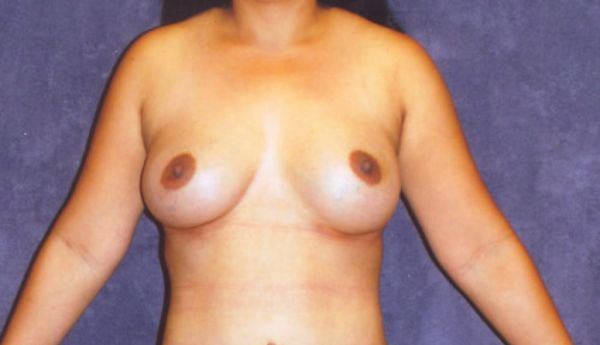
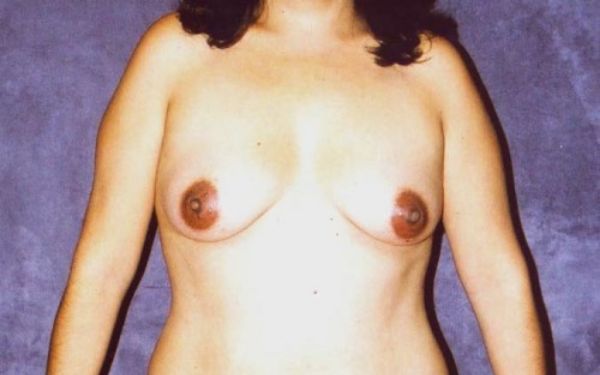
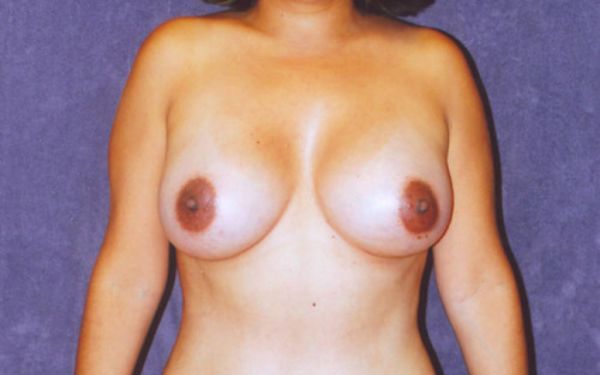
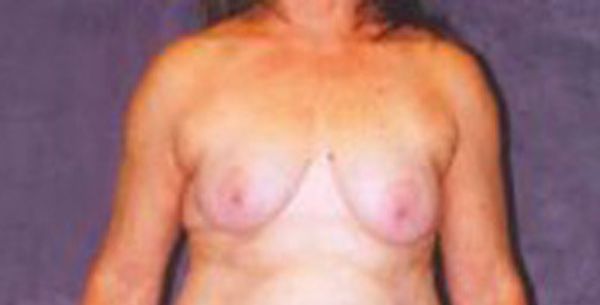
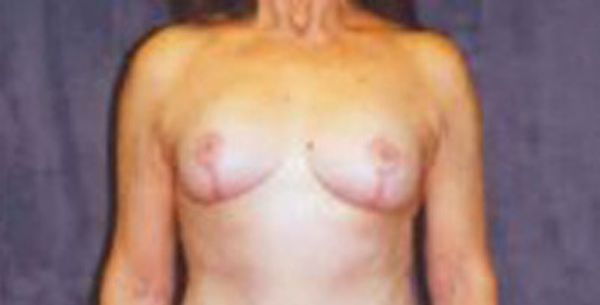
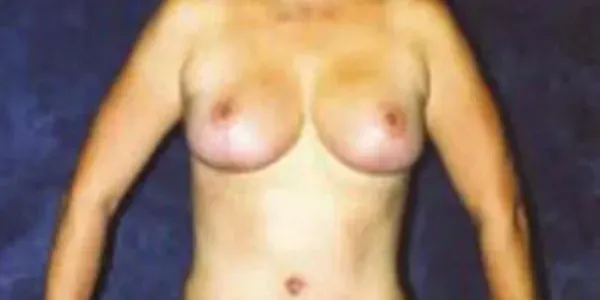
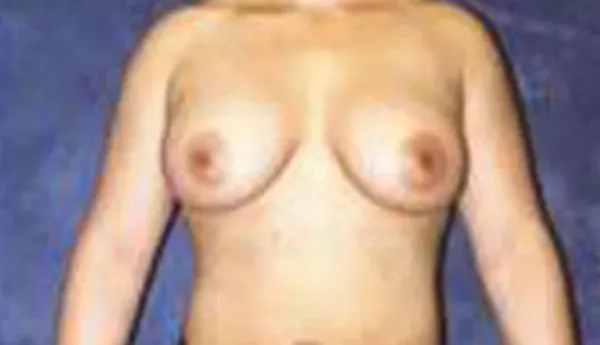
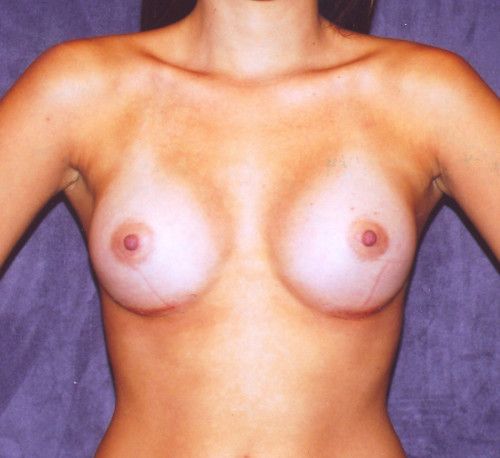
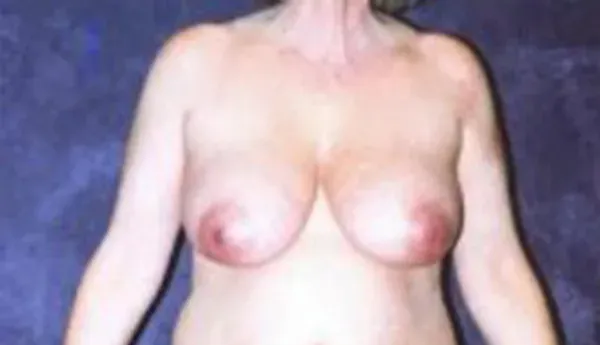
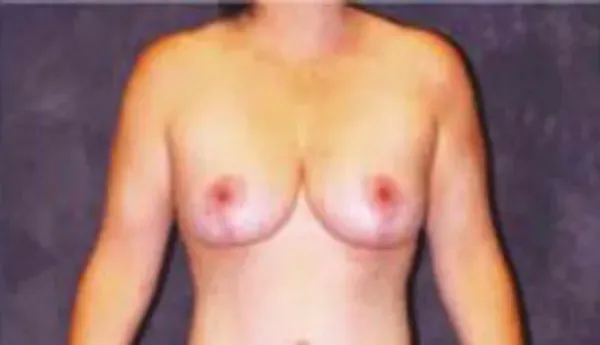
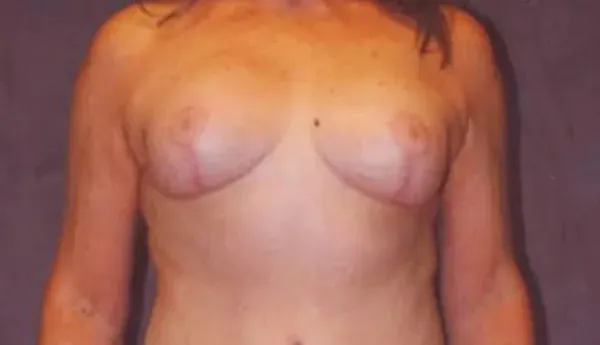
This technique pairs breast augmentation with a breast lift to address both volume and contour. The implant restores lost fullness, while the lift removes stretched skin and repositions the breast and nipple higher on the chest wall for a firmer, refreshed look.
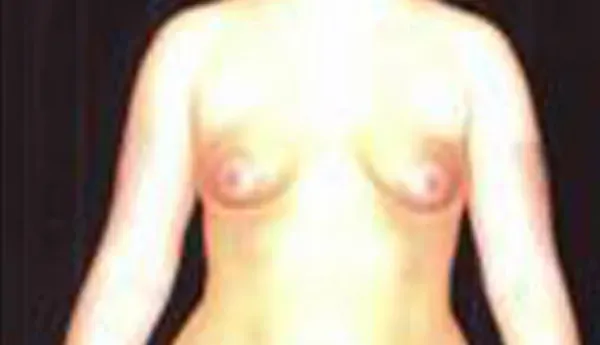
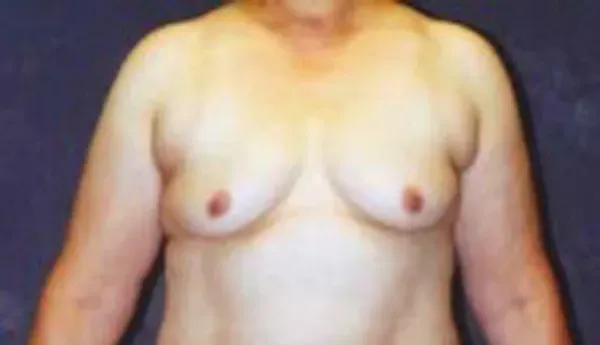
In select cases, Dr. Fortes may use a breast implant to create greater fullness through the upper portion of the breast. Careful implant selection and placement allow him to enhance the superior pole while maintaining a balanced contour that complements the patient’s frame.
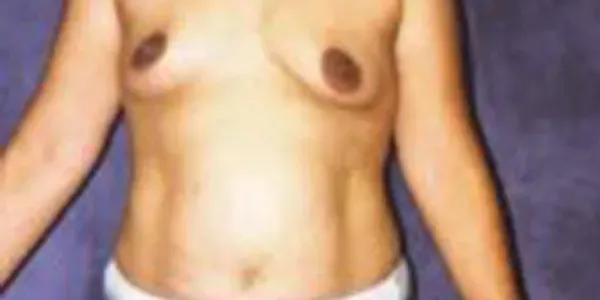
Fat transfer provides a modest increase without breast implants. Candidates need enough donor fat, and some transferred volume will be absorbed during healing.
Silicone implants contain cohesive silicone gel and tend to feel similar to natural breast tissue. They are available in different sizes, profiles, shapes, and gel consistencies. Silicone implant rupture may occur without an obvious change in breast size, so periodic imaging may be recommended.
Saline breast implants feature a silicone outer shell that is filled with sterile saltwater during surgery. If a rupture happens, the implant simply deflates as your body safely absorbs the natural saline solution.
“Gummy bear” refers to form-stable silicone implants made with a more cohesive gel. Their firmness and shape vary by product. Implant selection should account for soft-tissue coverage, chest width, desired projection, and surgeon preference.
Breast Augmentation + Breast Lift: The Ultimate Rejuvenation
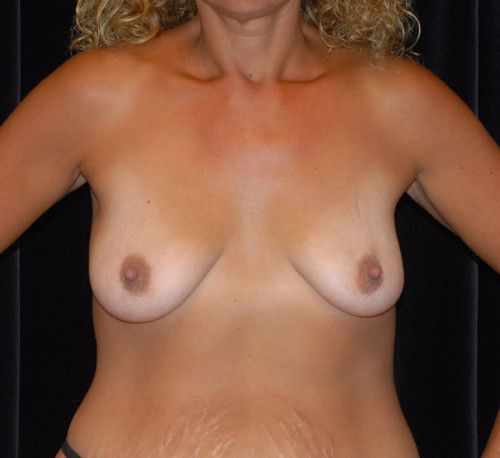
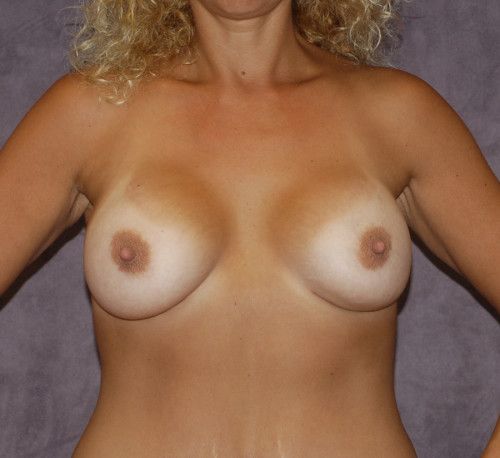
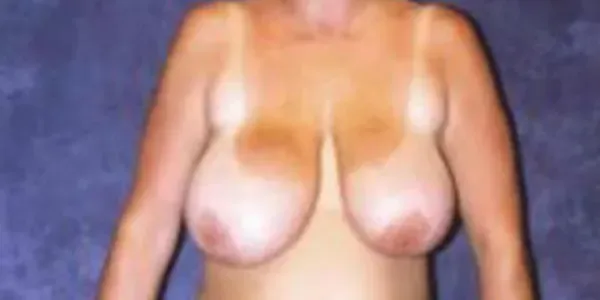
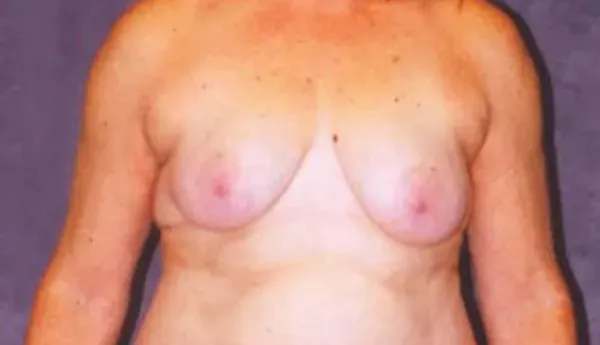
Implants can restore breast volume, but they cannot correct marked sagging. When the nipple sits low, or the skin has lost support, Dr. Fortes may combine breast augmentation with a lift. The lift repositions the breast tissue and removes excess skin, while the implant adds volume.
Superior Pole Enhancement + Breast Augmentation: Shape Over Size
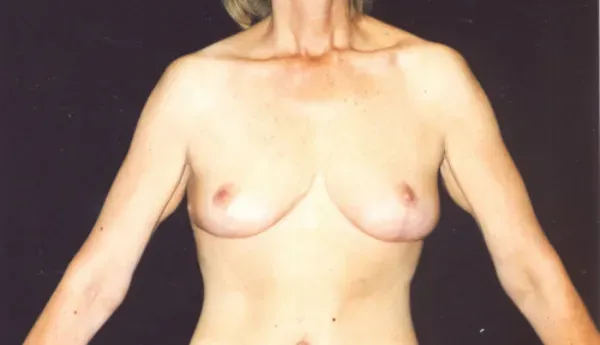
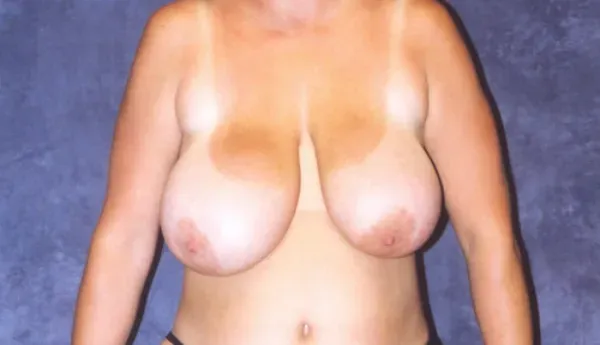
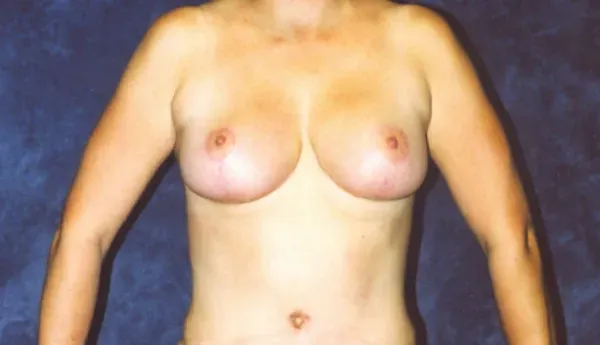
For patients who want less breast weight with greater upper-pole structure, a reduction can remove excess tissue, and a small implant can provide controlled volume where it is needed. This combination is reserved for select anatomy and breast enhancement goals.

Breast augmentation may be combined with a tummy tuck or liposuction as part of a mommy makeover. Combining procedures can address several areas during one operation, though it also increases surgical time and recovery demands. Patient safety, body mass index, health history, and the total scope of surgery determine which combinations are appropriate.
Candidates for breast augmentation surgery should:
Pregnancy, breastfeeding, uncontrolled medical conditions, or plans for major weight loss may be reasons to postpone surgery. Patients with significant sagging may need a breast lift instead of breast augmentation alone.
During your consultation, Dr. Fortes reviews your health history, breast dimensions, skin envelope, breast fold, and existing asymmetry. Implant options are compared by fill material, width, projection, and volume rather than bra cup sizes alone.
The consultation also covers incision placement, implant position, expected scars, recovery, and future monitoring. Patients receive a plan based on their tissue characteristics and preferred breast augmentation results.
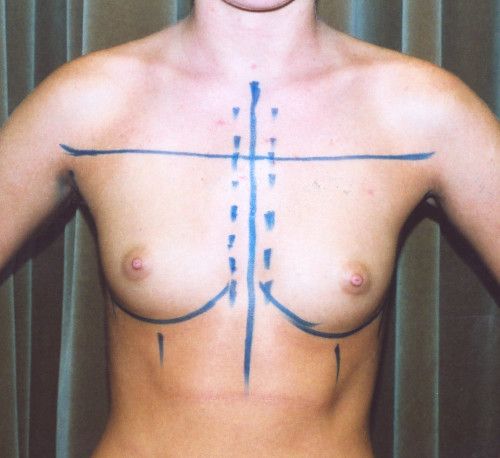
Breast implant surgery is performed under general anesthesia at Dr. Fortes’ Houston cosmetic surgery center. An incision is made, and a controlled breast pocket is created above or below the chest muscle. The implant is inserted, its position and symmetry are assessed, and the incision is closed.
Most patients return home the same day with a surgical bra, pain medication, activity restrictions, and follow-up instructions.
Breast augmentation results become clearer as swelling decreases and the implants settle within the breast pocket. Early tightness and a high implant position are common. The breasts soften and take on a more settled contour over the following weeks and months.
Final breast size and shape depend on implant dimensions, implant position, natural breast tissue, skin elasticity, and healing.
Most patients return to desk-based work within five to seven days. Temporary swelling, pressure, breast pain, and limited arm movement can occur during early recovery and are managed with prescribed pain medicine and support garments.
Heavy lifting and strenuous exercise remain restricted for several weeks. Dr. Fortes provides a return-to-activity schedule based on healing progress and the surgical techniques used.

Dr. Paul Fortes is certified by the American Board of Plastic Surgery and the American Board of Surgery. He has performed more than 10,000 cosmetic procedures and has practiced in Houston since 1998.
His breast augmentation approach combines exact implant selection with controlled pocket creation and close attention to symmetry, breast-fold position, and tissue support. Patients receive direct guidance on the benefits, limitations, risks, and long-term responsibilities associated with breast implants.
Our starting prices are $9,500 - $10,500 for breast augmentation and $15,000 - $20,000 for augmentation with a breast lift. Breast augmentation cost varies with implant type, surgical complexity, and any combined procedure. Implant exchange or revision requires a custom quote.
The final fee is provided after your consultation. PatientFi financing may be available for qualified patients.

A consultation provides the information needed to select an implant and surgical plan with precision. Contact Paul Fortes, MD, Plastic Surgery, to discuss breast augmentation in Houston and receive recommendations based on your body and preferred outcome.
Yes. PatientFi offers payment plans for qualified patients. Terms and monthly costs depend on the financed amount and credit approval.
The decision depends on tissue coverage, desired feel, incision preferences, rupture monitoring, and implant characteristics. Dr. Fortes compares both options during consultation.
Implants may fill mild skin laxity but do not reposition a low nipple. Moderate or advanced sagging often requires a breast lift.
Risks include bleeding, infection, changes in sensation, asymmetry, implant rupture, breast pain, and capsular contracture. Breast implant-associated anaplastic large cell lymphoma is a rare immune-system cancer linked most often to textured implants.
Breast implants are not lifetime devices. Some remain intact for many years, but future implant exchange, removal, or revision may become necessary.
Many women can breastfeed after breast augmentation, but no technique can guarantee future milk production. Incision location, existing glandular tissue, scar formation, and other health factors may affect breastfeeding.
Breast augmentation can be performed before pregnancy. Pregnancy and breastfeeding may alter breast volume, skin support, and implant position, which can create a need for later revision or breast lift surgery.
Fat transfer breast augmentation can provide modest enlargement and shape refinement. The available donor fat and expected fat retention limit the increase that can be achieved.