

Many patients assume that correcting facial concerns requires a full facelift. In reality, most are not ready for — and often do not need — a major procedure. Small, strategic refinements to the eyes, lips, or jawline are often enough to restore balance and enhance harmony.
Facial fine-tuning is about precision — doing exactly what is needed, no more and no less. Rather than dramatic change, we focus on features that disrupt balance. Heavy eyelids or a recessed chin can subtly affect your appearance. Refining these areas enhances definition and confidence without the downtime of a full facelift.
Facial fine-tuning involves customized procedures — such as eyelid surgery, lip lifts, or chin implants — designed to address specific anatomical concerns. These refinements restore balance and create a refreshed appearance without the comprehensive changes of a facelift.
Facial rejuvenation once focused on tightening skin. Today, we understand that youthfulness is about proportion, structure, and light reflection across balanced contours.
Modern facial plastic surgery addresses deeper support — muscle and skeletal structure — rather than simply pulling the surface tighter.
The goal is subtlety. When performed thoughtfully, these procedures preserve your identity while restoring clarity and definition. People should notice that you look refreshed, not that you had surgery.
“My approach in plastic surgery is like an artist’s approach to a blank canvas,” says Dr. Fortes. “Once a clear vision is established, we create a plan that achieves safe, precise, and natural results.”
The eyes are often the first feature to show aging. While skincare improves surface quality, it cannot correct structural eyelid changes.
Blepharoplasty removes excess tissue that contributes to heaviness. Upper eyelid surgery uses an incision hidden within the natural crease to remove excess skin and small amounts of fat. Lower eyelid surgery addresses puffiness by removing or repositioning fat pads.
The result is a more open, alert appearance and, in some cases, improved peripheral vision.
“By refining the eyelids, we reveal the eyes themselves,” Dr. Fortes explains. “The result is brighter and more defined, yet completely natural.”
Over time, the brow can descend, contributing to heaviness and forehead lines. Restoring the brow to a more youthful position opens the upper face and improves balance. In some patients, brow position — not the eyelids — is the primary cause of heaviness.
Profile balance plays a major role in facial harmony. Subtle structural changes can significantly improve proportion.
A chin implant enhances projection by placing a customized implant over the natural bone. For patients with a recessed chin, this added structure strengthens the jawline and improves balance between the nose, lips, and neck.
“A chin implant is often the missing piece in profile balance,” says Dr. Fortes. “It creates harmony and provides foundational support for the lower face.”
A lip lift shortens the distance between the nose and upper lip, which naturally lengthens with age. A small incision beneath the nose allows removal of a narrow strip of skin, gently rotating the lip outward.
This reveals more pink tissue and increases tooth show when smiling. The result is youthful and balanced — often more natural than simply adding filler.
Facial fine-tuning allows multiple areas to be addressed within a single plan. The face is evaluated as a cohesive whole rather than in stages.
Multiple procedures can be performed under one anesthesia event.
Features heal together, allowing balance to develop simultaneously.
Combining procedures can reduce repeated facility and anesthesia costs.
Dr. Fortes approaches each face as a unique composition. His philosophy centers on precision and restraint — refining what is necessary while preserving natural identity.
“The best results in plastic surgery are never one-size-fits-all,” he says. “Every adjustment must complement the rest of the face to appear seamless.”
Recovery is typically straightforward and well-tolerated. Temporary swelling or bruising may occur, particularly when combining procedures.
Head elevation minimizes swelling. Mild discomfort is controlled with prescribed medication.
Swelling and bruising vary by procedure. Temporary numbness may occur. Strenuous activity should be avoided.
Most patients resume routine activities within two weeks. Incisions are discreetly placed and fade over time.
A thorough preoperative evaluation minimizes risk, and follow-up appointments ensure proper healing.
You do not need to wait for advanced aging to consider refinement. Facial fine-tuning is a proactive approach for maintaining balance and staying ahead of visible changes.
With precise, strategic adjustments, you can preserve a refreshed and natural appearance for years to come.
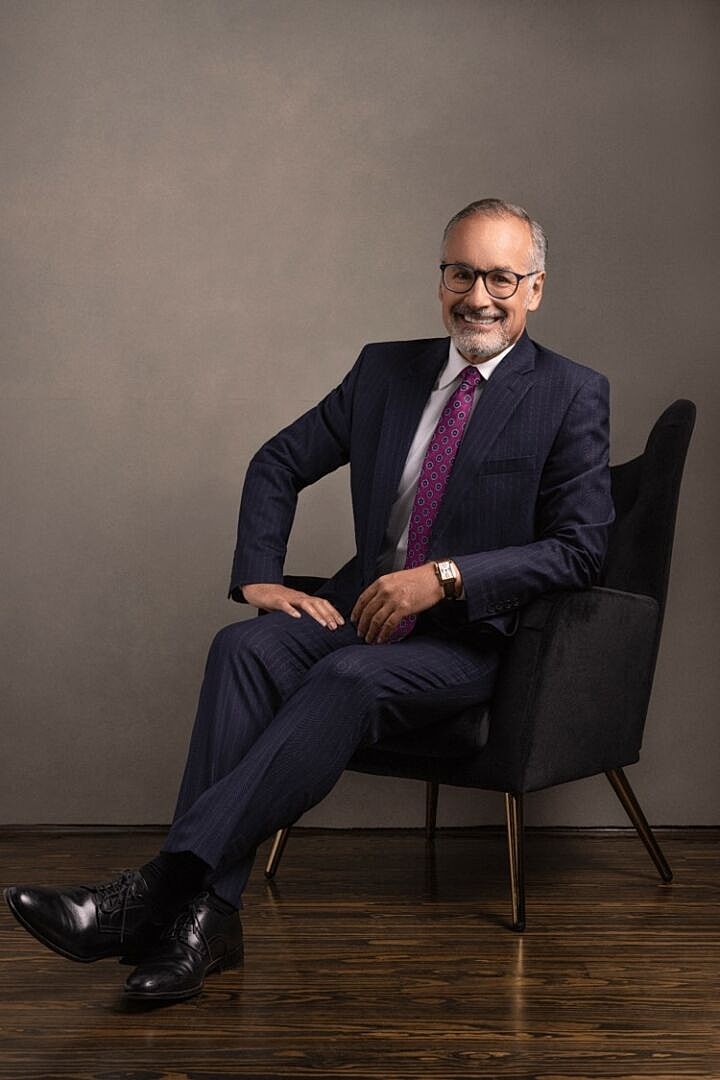
Dr. Paul F. Fortes, a distinguished, dual-board-certified plastic surgeon based in Houston, TX, offers an elite standard of care defined by a rare blend of artistic sensibility and scientific rigor. Dr. Fortes believes superior aesthetic results are never "off the rack," but are meticulously customized and individually crafted to meet each patient’s unique vision. He approaches every procedure with the precision of an artisan, ensuring the safest, most harmonious, and exquisitely detailed outcomes that stand apart from the ordinary.
Trusting your aesthetic goals to Dr. Fortes means placing your care in the hands of a provider with impeccable credentials. A graduate of Rice University (Magna Cum Laude) and an inductee of the exclusive Alpha Omega Alpha Honor Medical Society, he completed an extensive eight-year surgical residency, including three years of specialized plastic surgery training at the prestigious Northwestern Medical Center in Chicago. Recognized for over a decade as a Texas Super Doctor, Dr. Fortes affirms his position as a preeminent leader, solidifying him as THE trusted expert for those seeking truly transformative, beautiful, and enduring results.