Published
7 minute read
Liposuction can improve body contours by removing stubborn fat, but the final result also depends on how well your skin adjusts to its new shape. When skin elasticity is limited, combining liposuction with skin tightening may improve how your skin settles over the reduced volume.
Dr. Paul Fortes can evaluate your skin quality before recommending fat removal so you can understand what liposuction alone may achieve and when additional treatment may help.
Liposuction removes localized fat through small incisions using a narrow tube called a cannula. It can reduce stubborn pockets that remain at a stable weight despite exercise and dieting. The skin covering those areas remains in place and must adapt to the smaller contour.
When skin has lost some of its elasticity, removing the fat beneath it can make existing loose skin more noticeable.. Pregnancy, substantial weight loss, and aging can affect this response. Your surgeon considers these changes when planning how much fat to remove.
Thin or stretched skin may remain loose after liposuction, even when fat reduction improves the underlying shape. Liposuction does not remove stretch marks or reliably correct cellulite. These concerns require separate assessment.
Liposuction treats localized excess fat. It does not treat obesity or replace weight loss.
Energy-based skin tightening uses controlled heat to encourage skin contraction and collagen remodeling. Collagen is a structural protein that supports your skin. As your body produces new collagen, the treated area may develop a firmer appearance.
For patients with mild to moderate skin laxity, combining liposuction with skin tightening may help create a smoother, more defined contour. The degree of improvement depends on the treatment used and your tissue’s response. These treatments cannot predictably shrink substantial folds of excess skin.
If your skin has good elasticity and little sagging, liposuction alone may provide sufficient correction. More extensive sagging skin may require surgical removal, which leaves permanent scars.
Non-invasive external treatments deliver energy through an applicator on your skin’s surface. Radiofrequency NuEra energy heats tissue to stimulate collagen production without an incision. Treatment may require a series of appointments, with improvement developing over time.
Minimally invasive skin tightening delivers energy beneath your skin through an instrument inserted into an incision. Certain devices can be used during the liposuction procedure through the same access points. These treatments involve tissue penetration and carry risks beyond those of external treatment.
Your provider should explain the device’s specific FDA-cleared use, including quantum and bodytight, the depth of treatment, and its suitability for the treatment area. Ask about the expected correction and the provider’s training with that device. Different technologies have different indications and limitations.
Dr. Fortes’ practice offers NuEra radiofrequency treatment among its postoperative care options, including after liposuction. NuEra applies controlled heat from outside your body and may help address skin laxity.
Your surgical team determines suitability and timing (typically 3 weeks) based on your healing progress. NuEra cannot remove excess skin, and adding treatment does not guarantee faster recovery or prevent contour irregularities.
Surgical skin removal addresses tissue that hangs or forms a substantial fold. Liposuction may be included to reduce nearby fat deposits, while the lift removes skin that cannot retract enough.
A tummy tuck removes excess abdominal skin and can address separation of the abdominal muscles when indicated. Liposuction may refine selected areas around your abdomen or waist. Liposuction and external skin tightening do not repair muscle separation.
An arm lift removes excess skin from your upper arms, and a thigh lift addresses laxity in your thighs. A body lift may be appropriate when loose tissue extends around your lower torso.
Skin-removal procedures require longer incisions than liposuction. Their placement and length depend on the amount and location of excess skin. Your surgeon can explain the expected correction and scar pattern so you can weigh the benefit against the recovery and permanent scars.
During a consultation, your surgeon assesses how much fullness comes from excess fat and how much looseness comes from skin. The examination includes skin thickness, existing scars, and tissue elasticity. Your medical history, previous procedures, and weight stability also affect the recommendation.
Ideal candidates for surgical body contouring are generally in good health, at a stable weight, and have realistic expectations about their results. Nicotine use and conditions that impair circulation or wound healing can increase risk. If you are still losing substantial weight, postponing surgery allows your surgeon to assess your contour once your weight stabilizes.
Contraindications: Before energy-based treatment, disclose any implanted medical devices, metal implants, or skin conditions in the area. These can restrict which technologies are suitable.
Some combinations can be performed in one operation. Staged treatment may be recommended to limit the extent of surgery or assess remaining skin laxity after swelling resolves. The timing of postoperative external treatment depends on the procedure performed and your healing progress.
If you have already had liposuction, persistent unevenness should be examined before another treatment is selected. Swelling can obscure your contour during recovery, and irregularities may involve factors beyond loose skin. Your surgeon can assess the cause before recommending heat-based treatment or massage.
Recovery time depends on the entire procedure and the areas treated. Adding energy-based skin tightening may increase swelling. Combining liposuction with skin removal adds incision care and restrictions that protect the wound as it heals. Local or general anesthesia is selected according to the extent of surgery and your health.
Bruising, soreness, and swelling are expected after liposuction. A compression garment may help control swelling and support healing tissue. Follow your surgeon’s instructions on fit and wear time; compression cannot remove excess skin.
Your return to work depends on the physical demands of your job. Desk work may be possible before lifting or strenuous exercise is appropriate. Activity restrictions can continue for several weeks, while swelling may take months to settle. Your liposuction results become clearer as swelling decreases.
Possible complications include infection, fluid collections, altered sensation, and uneven contours. Blood clots and anesthesia complications can also occur. Energy-based treatments carry a risk of burns, pigmentation changes, and scarring. Skin-removal surgery adds wound-healing risks.
Maintaining a stable weight helps preserve your body shape. Liposuction removes fat cells, but remaining cells can enlarge with weight gain. Aging and later weight changes can affect skin firmness. The duration of improvement from skin tightening varies, and some treatments require maintenance, though it typically takes about 6 weeks for full compression before you see your best results.
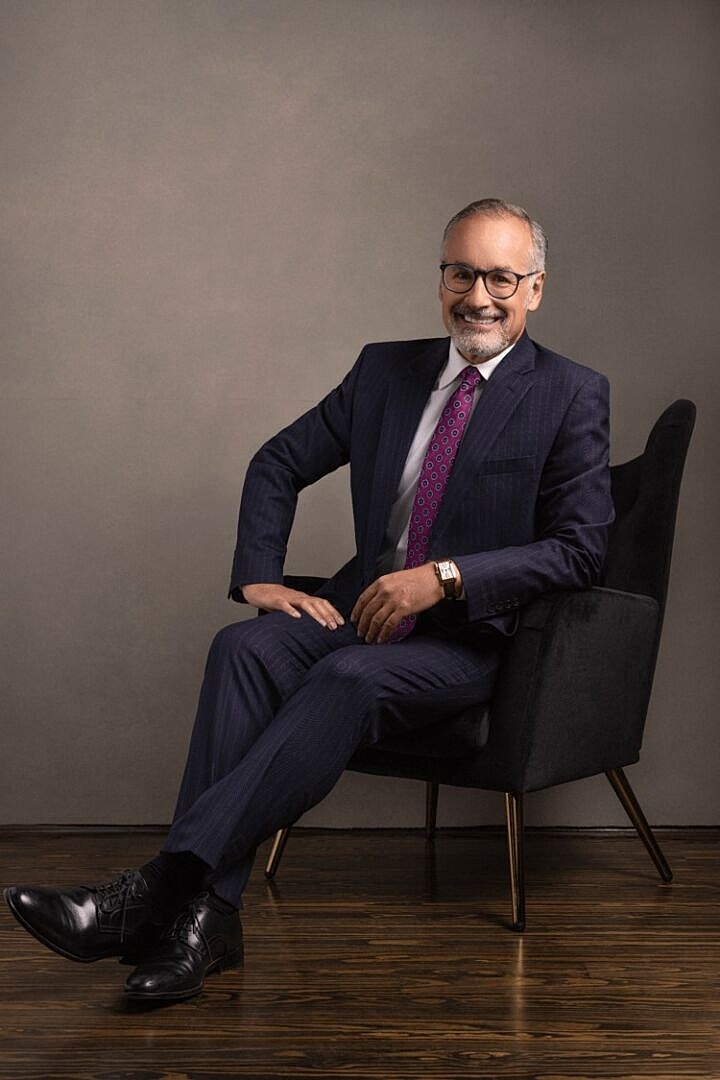
Dr. Paul Fortes is certified by the American Board of Plastic Surgery and the American Board of Surgery. His Houston practice offers liposuction and surgical body contouring, including skin removal for patients whose laxity requires more extensive correction.
During your consultation, describe the area you want to change and your concerns about scars or recovery. Ask how much improvement each option may provide, what looseness could remain, and when your result can be assessed. Request a complete cost estimate that includes any recommended series of external treatments.
Whether you're considering liposuction alone or combining it with skin tightening, Dr. Fortes can help determine which approach best addresses your concerns and aesthetic goals. Schedule a consultation with Dr. Fortes to discuss your options and the recovery each would involve.
Dr. Paul F. Fortes, a distinguished, dual-board-certified plastic surgeon based in Houston, TX, offers an elite standard of care defined by a rare blend of artistic sensibility and scientific rigor. Dr. Fortes believes superior aesthetic results are never "off the rack," but are meticulously customized and individually crafted to meet each patient’s unique vision. He approaches every procedure with the precision of an artisan, ensuring the safest, most harmonious, and exquisitely detailed outcomes that stand apart from the ordinary.
Trusting your aesthetic goals to Dr. Fortes means placing your care in the hands of a provider with impeccable credentials. A graduate of Rice University (Magna Cum Laude) and an inductee of the exclusive Alpha Omega Alpha Honor Medical Society, he completed an extensive eight-year surgical residency, including three years of specialized plastic surgery training at the prestigious Northwestern Medical Center in Chicago. Recognized for over a decade as a Texas Super Doctor, Dr. Fortes affirms his position as a preeminent leader, solidifying him as THE trusted expert for those seeking truly transformative, beautiful, and enduring results.