Published
7 minute read

Weight loss changes body volume faster than the skin can always adapt. As fat decreases, the expanded skin envelope may contract to some degree, but its response depends on how far it stretched and how much elasticity remains.
Even after reaching a healthy, stable weight, excess skin can remain and obscure the changes achieved through weight loss. This does not mean additional weight loss is needed. Instead, the remaining tissue reflects changes in the skin’s elasticity and its ability to contract after being stretched.
Body contouring surgery addresses that structure by removing skin that cannot retract on its own. Planning begins after the weight has stabilized and focuses on the location, amount, and direction of tissue laxity.
Our skin naturally contains collagen and elastin fibers that allow it to stretch and recover. During weight gain, the skin expands to accommodate increased tissue volume. If that expansion is substantial or sustained, some fibers become damaged and lose recoil.
After significant weight loss, there may no longer be enough internal volume to support the expanded skin. The tissue can fold, hang, or shift below its former position. This is seen after bariatric surgery, weight-loss medications, dietary changes, or any method that produces a major reduction in body mass.
Age, genetics, sun exposure, smoking history, weight fluctuations, and the amount of weight lost can affect skin elasticity. Rapid weight loss can make sagging skin more visible in a short period, although the degree of laxity reflects the condition of the tissue and its history of expansion.
Diet can reduce body fat, and exercise can increase muscle mass, but neither process removes the expanded skin envelope. Muscle growth may improve the contour beneath mild skin laxity, but it cannot contract a large fold of extra skin.
Continuing to lose weight after reaching a healthy weight range can reduce subcutaneous fat without tightening the skin. In some cases, this makes loose skin appear more pronounced. Repeated cycles of weight loss and weight gain may place further stress on skin support.
Maintaining a stable weight remains important because it can help preserve the results of body contouring surgery. It doesn’t replace skin removal when the tissue has lost substantial elasticity.
Nonsurgical skin tightening treatments use heat or another controlled form of energy to stimulate collagen production. Radiofrequency and certain laser treatments may improve skin tone in patients with mild to moderate laxity when the tissue still has enough elasticity to respond.
These treatments can’t remove a significant amount of hanging skin. They also can’t correct deep skin folds or reshape tissue across a broad area after massive weight loss. Their effect depends on the device used, treatment depth, skin quality, and degree of laxity.
A consultation can determine if a non-surgical skin tightening treatment has a reasonable chance of producing firmer skin. When excess skin forms a fold or extends beyond the underlying body contour, surgical removal offers the most direct correction.
Significant weight loss can leave excess or lax skin in several areas of the body. The location and degree of skin laxity vary based on where weight was previously carried, how much weight was lost, skin quality, age, and individual anatomy.
Common areas include:
Some patients have one primary area of concern, while others experience loose skin across several areas. The pattern of laxity helps determine which body contouring procedures may be appropriate and whether treatment is better performed in one operation or in stages.
Body contouring surgery removes excess skin through planned incisions and reshapes the remaining tissue over the underlying anatomy. The incision location and length depend on how much skin is present and where it has descended.
A tummy tuck addresses loose abdominal skin and can repair separated abdominal muscles when needed. A lower body lift extends treatment around the torso to improve laxity of the abdomen, flanks, buttocks, and outer thighs. An arm lift removes sagging skin from the upper arms, while a breast lift reshapes tissue that has flattened or descended after weight loss.
Several areas may need treatment, but performing every procedure at once may create excessive surgical time and recovery demands. Staged body contouring can reduce the scope of each operation and give the body time to heal between procedures.
Removing loose skin requires an incision, and every incision creates a permanent scar. The scar is placed where clothing or natural body creases can conceal it when anatomy permits, though adequate removal takes priority over a shorter incision.
A shorter scar removes less skin. Patients with substantial laxity may need a longer incision to achieve a smoother contour and reduce the chance that excess tissue remains at the ends of the treated area.
Surgery can also improve concerns caused by heavy skin folds, including friction, restricted movement, and difficulty with clothing. The improvement comes from excising the tissue and redistributing tension across the closure.
Patients should generally be near their goal weight and have maintained a stable weight before undergoing body contouring surgery. Continued weight loss after the procedure can create more laxity, while later weight gain can stretch the skin and affect the result.
Health status also influences timing. Patients who have undergone bariatric surgery may need evaluation for protein, iron, vitamin, or other nutritional deficiencies that can affect wound healing. Nicotine use increases the risk of circulation problems and must stop according to the surgeon’s instructions.
A board-certified plastic surgeon like Dr. Fortes evaluates body mass index, skin quality, scar placement, medical history, and the number of areas requiring treatment. These factors help determine if surgery is appropriate and if the procedures should be staged.
Recovery depends on the procedure performed and the amount of tissue removed. Swelling, bruising, tightness, and temporary changes in sensation are expected during early healing. A compression garment may be used to support the treated area and control swelling.
Walking begins soon after surgery, while lifting and exercise remain restricted for several weeks. Longer incisions require close wound monitoring, and follow-up visits allow the surgeon to assess healing before activity increases.
Body contouring creates an immediate reduction in excess skin, but the contour continues to settle as swelling decreases and scars mature. Maintaining a stable weight supports the long-term result.
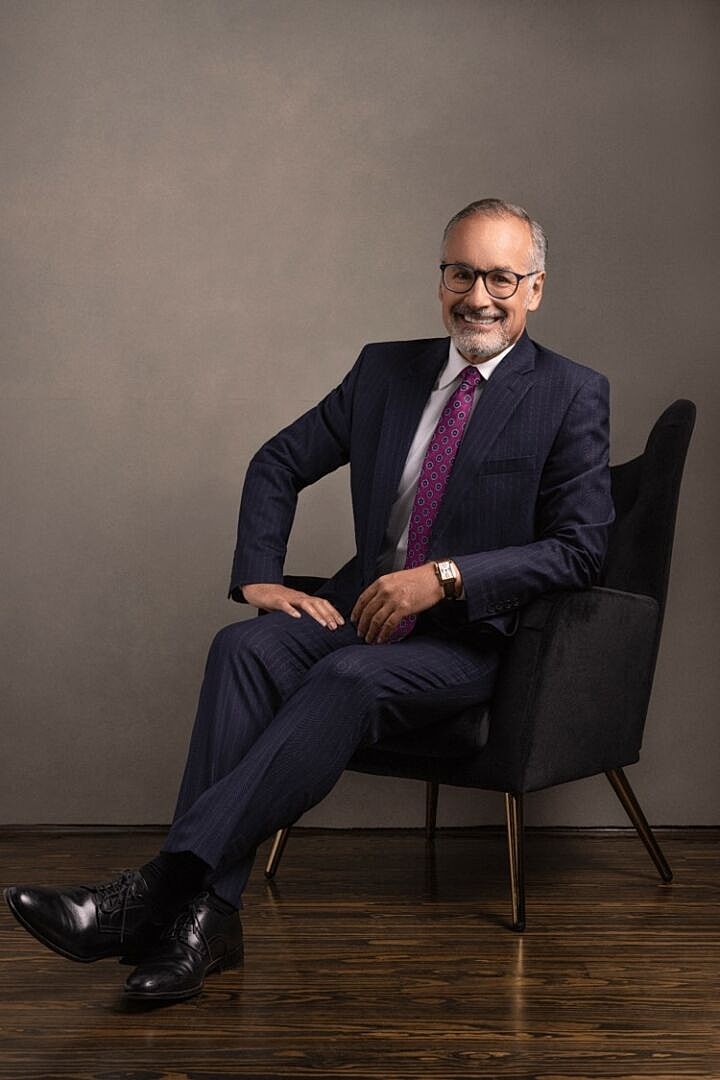
Dr. Paul Fortes is certified by the American Board of Plastic Surgery and the American Board of Surgery. He has performed more than 10,000 plastic surgery procedures and has practiced in Houston since 1998.
During a consultation, Dr. Fortes evaluates how the skin has stretched, where excess tissue has descended, and how removing that tissue may affect the surrounding contours. He develops an individualized surgical plan based on tissue quality, overall health, scar placement, and the areas the patient would like to address. When multiple areas require treatment, he can also determine whether procedures can safely be combined or are better approached in stages.
Dr. Paul F. Fortes, a distinguished, dual-board-certified plastic surgeon based in Houston, TX, offers an elite standard of care defined by a rare blend of artistic sensibility and scientific rigor. Dr. Fortes believes superior aesthetic results are never "off the rack," but are meticulously customized and individually crafted to meet each patient’s unique vision. He approaches every procedure with the precision of an artisan, ensuring the safest, most harmonious, and exquisitely detailed outcomes that stand apart from the ordinary.
Trusting your aesthetic goals to Dr. Fortes means placing your care in the hands of a provider with impeccable credentials. A graduate of Rice University (Magna Cum Laude) and an inductee of the exclusive Alpha Omega Alpha Honor Medical Society, he completed an extensive eight-year surgical residency, including three years of specialized plastic surgery training at the prestigious Northwestern Medical Center in Chicago. Recognized for over a decade as a Texas Super Doctor, Dr. Fortes affirms his position as a preeminent leader, solidifying him as THE trusted expert for those seeking truly transformative, beautiful, and enduring results.